Salt Lake City Sets New Temperature Record Amid High Wind Gusts
Salt Lake City has set a new temperature record of 105 degrees Fahrenheit, fueled by strong wind gusts and a unique meteorological phenomenon. The intense winds helped funnel warm air into the valley, impacting temperatures across the region.

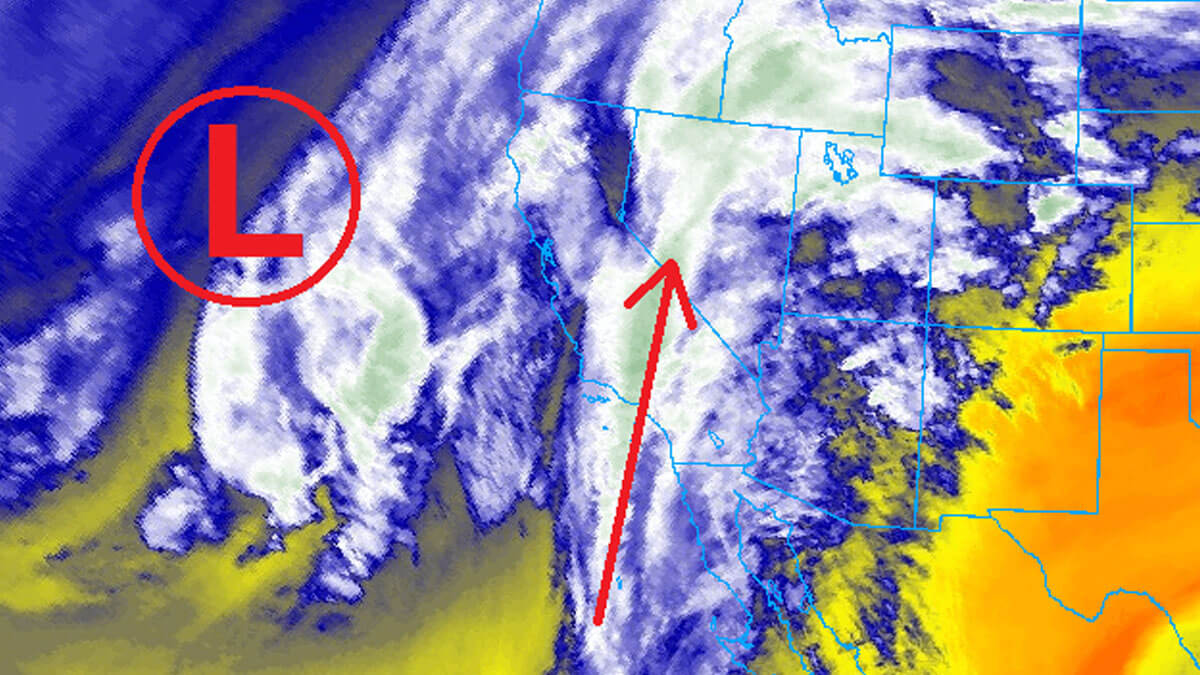
Salt Lake City has officially recorded a new high-temperature mark, driven by unusual meteorological conditions, including intense wind gusts. On the day of the record, the city reached a sweltering 105 degrees Fahrenheit, surpassing the previous record of 102 degrees set years ago. This spike in temperature coincided with a significant weather pattern characterized by strong winds that funneled warmer air into the valley.
Meteorologists noted that the phenomenon, often referred to as a thermal trough, significantly impacted temperatures throughout the region. Strong winds, peaking at 45 miles per hour in some areas, were recorded during the afternoon, contributing to the unusual heat. Experts indicate that these winds helped elevate temperatures faster than typical forecasts had suggested.
In addition to Salt Lake City, neighboring areas experienced similar conditions, with several cities also reporting record highs. Ogden, Provo, and other locations in northern Utah reported temperatures in the high 90s, a notable increase for the season. The combination of geographic factors and advancing weather systems led to a heat wave across much of the region.
Residents were advised to take precautions during this extreme heat, including staying hydrated and avoiding strenuous outdoor activities during peak sunlight hours. Emergency services prepared for an increase in heat-related incidents, reminding the public to be vigilant.
Local authorities have also been monitoring the air quality, as heat combined with wind can lead to increased pollutants being stirred into the atmosphere. This, in turn, raises concerns about respiratory issues, particularly among vulnerable populations. As temperatures rise, the demand for energy has surged, causing strain on local power grids, which are working to manage the increased electricity needs for air conditioning and cooling facilities.
As the summer progresses, weather officials continue to monitor conditions, emphasizing that residents should stay informed about forecasts and be prepared for potential weather advisories as warmer temperatures are expected to persist throughout the season.