Salt Lake City Council Addresses ICE Cooperation Amid Activist Demands for Change
Salt Lake City Council discusses ICE cooperation as activists call for policy change, reflecting community fears and national immigration debates.
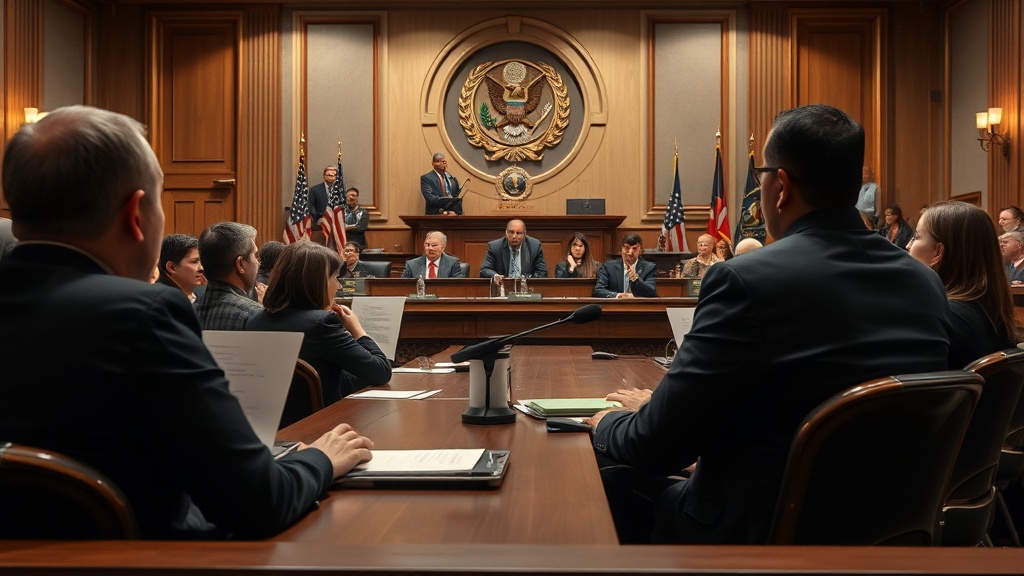
During a recent Salt Lake City Council meeting, the topic of U.S. Immigration and Customs Enforcement (ICE) dominated discussions, as concerned activists and community members gathered to voice their demands for the city to cease its cooperation with federal immigration authorities. This meeting, which took place on Tuesday evening, highlighted the ongoing tensions between local government policies and federal immigration enforcement practices, reflecting a broader national debate about immigration and community safety.
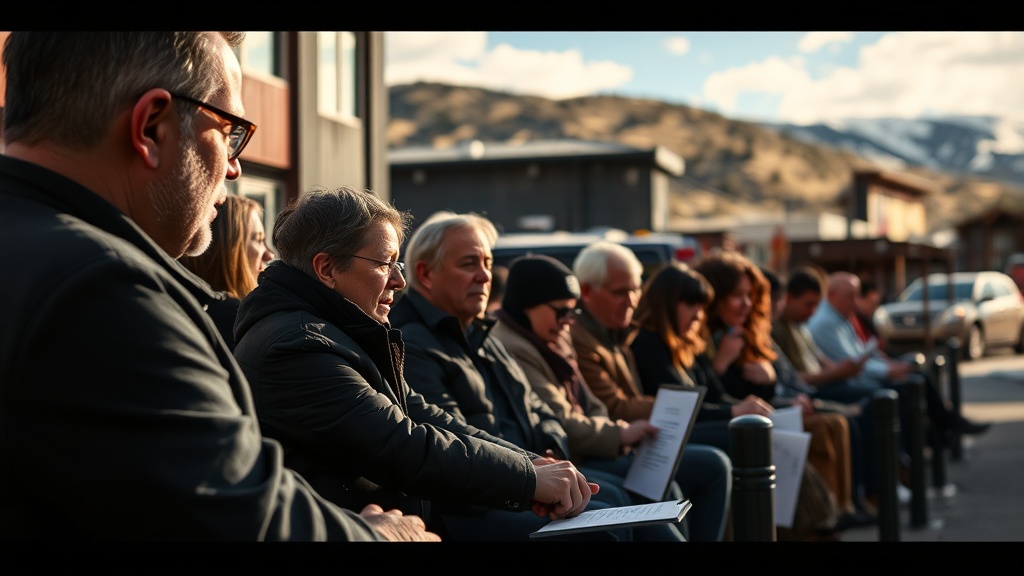
The council meeting, held at the Salt Lake City and County Building, attracted a diverse crowd of advocates, immigrants, and concerned citizens. Many attendees carried signs and wore T-shirts emblazoned with messages such as "No More ICE" and "Protect Our Neighbors." The atmosphere was charged with a sense of urgency, as speakers took to the podium to share personal stories of how ICE actions have impacted their lives and the lives of their families.
Among the speakers was Maria Gonzalez, a local immigrant rights advocate, who emotionally recounted her experience of witnessing her neighbor's family torn apart by an ICE raid. "Every day, we live in fear. We want to contribute to our community, but we feel like criminals in our own home," Gonzalez said, urging council members to take a stand against ICE.
Councilmember Amy Fowler acknowledged the concerns raised by the community, stating, "This is a complex issue that affects many families in our city. We must ensure that our community feels safe and supported, regardless of their immigration status." She expressed her commitment to exploring ways to limit the city’s cooperation with ICE, particularly regarding data sharing and local law enforcement's involvement in immigration enforcement.
The discussion was spurred by a growing movement among local governments across the United States to adopt policies that restrict cooperation with ICE. Cities like San Francisco and New York have implemented sanctuary city policies that limit local law enforcement's role in immigration enforcement, allowing undocumented immigrants to report crimes and access public services without fear of deportation. Salt Lake City is now facing pressure to consider similar measures.
During the meeting, activists called for the council to adopt a resolution that would prohibit local law enforcement from detaining individuals solely based on their immigration status. They argued that such a policy would not only protect vulnerable populations but also enhance public safety by building trust between immigrant communities and law enforcement officials.
Councilmember Chris Wharton expressed support for further discussion around these proposed changes, stating, "We have to look at our policies and ask ourselves how we can better protect our communities. Trust is essential, and right now, many are afraid to reach out for help."
In contrast, some council members expressed caution regarding the potential ramifications of severing ties with ICE. Councilmember Dan Dugan highlighted concerns over the safety implications of creating a sanctuary policy, stating, "While I understand the concerns of our immigrant communities, we also have a responsibility to ensure public safety for all residents. We need to find a balanced approach."
As the meeting progressed, the council opted to form a task force to explore the implications of limiting cooperation with ICE, which would include community input and expert guidance on the matter. This task force will be tasked with examining data, gathering public testimony, and researching best practices from other cities that have navigated similar issues.
The decision to create a task force was met with cautious optimism from activists. Javier Martinez, a local organizer with the immigrant rights group Utahns Against Police Brutality, remarked, "We appreciate the council's willingness to engage with our community on this critical issue. It’s a step in the right direction, but we need to ensure that this isn’t just talk. We need to see action that protects our communities."
As the meeting concluded, attendees left with mixed feelings. While some expressed hope that the council would take meaningful action, others remained skeptical, fearing that without immediate changes, vulnerable immigrant families would continue to live in fear of deportation.
The Salt Lake City Council's decision to address the issue of ICE cooperation reflects a growing national conversation about the role of local governments in immigration enforcement. As cities grapple with balancing public safety and community trust, Salt Lake City stands at a crossroads, with the potential to set a precedent for how local governments can navigate these contentious issues in the future. The council's upcoming task force will serve as an important step in determining the future of immigration policy within the city and how it impacts the lives of its residents.
As the Salt Lake City Council continues to deliberate on this sensitive topic, the voices of activists and community members will remain crucial in shaping the city’s policies, ensuring that the needs and fears of all residents are taken into consideration as decisions are made moving forward.