Addressing Utah's Housing Crisis: Vacancies and Potential Solutions
Summit County's housing report reveals alarming vacancy rates, prompting calls for innovative solutions to Park City's housing challenges.
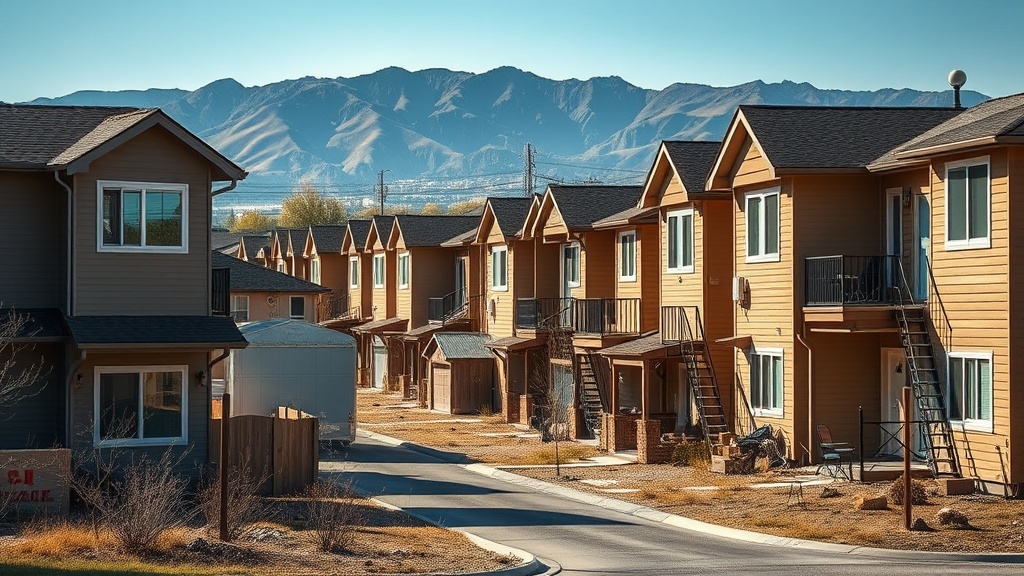
In a recent report released by Summit County staff, a startling statistic has come to light: 40% of homes in Summit County are currently vacant, with an even more alarming figure of over 50% in Park City. This revelation raises significant questions about the housing market dynamics in one of Utah's most sought-after areas. The data prompts a reassessment of the perceived housing shortage in Park City, suggesting that the issues may not be as clear-cut as they seem.
Park City, known for its stunning mountain views and outdoor recreational opportunities, has long been viewed as a desirable location for both residents and seasonal visitors. However, the high vacancy rate indicates a surplus of housing that is not being utilized effectively. As the community grapples with the challenges of providing adequate housing for its seasonal workforce, it becomes imperative to explore innovative solutions rather than simply accepting the narrative of a housing shortage.
One proposed solution is to incentivize homeowners to open their properties to seasonal employees by offering tax breaks. This approach, suggested by local resident Beth Souther, advocates for a model where homeowners could benefit financially from renting out parts of their homes during peak seasons. Such a policy could not only alleviate the pressure on the housing market but also encourage homeowners to engage with their communities and foster a sense of stewardship over their properties.
Despite the potential benefits, the idea has not garnered support from the Park City Council, which raises concerns about the decision-making processes in local governance. Critics argue that the rejection of practical, business-oriented solutions reflects a broader trend of cronyism within the council, where traditional approaches may overshadow innovative strategies. Souther's call for a fresh perspective on the council, specifically citing the need for candidates like Jack Rubin, highlights a desire for leadership that prioritizes community needs over established norms.
The implications of this inaction could be significant for both residents and seasonal workers. As the economy continues to recover from the effects of the COVID-19 pandemic, the demand for housing remains high, particularly for seasonal employees crucial to the tourism and service sectors. Without effective measures in place, the gap between housing supply and demand may widen, exacerbating the challenges faced by both locals and transient workers who contribute to the local economy.
Moreover, the high vacancy rates raise questions about the overall housing strategy in Park City. While affluent homeowners may benefit from property ownership, the community as a whole suffers when homes stand empty, particularly during the winter months when seasonal jobs are critical. Creating a vibrant community requires collaboration among homeowners, policymakers, and residents to find solutions that work for everyone.
As discussions about housing continue, it is essential to consider both the economic and social implications of high vacancy rates. Engaging with the community to understand their needs and exploring alternative housing models could pave the way for a more sustainable future. Initiatives like the proposed tax breaks for homeowners could serve as a pilot program, enabling the city to evaluate the impact of such policies on housing stability and community engagement.
In conclusion, the current state of housing in Park City and Summit County presents both challenges and opportunities. While the vacancy rates may indicate a surplus of available homes, the lack of effective utilization highlights the need for innovative solutions. It is crucial for community leaders and residents alike to advocate for policies that address these issues head-on, ensuring that the housing market can meet the needs of all who call Park City home, whether year-round or seasonally. The conversation around housing is just beginning, and it is essential that all voices are heard as the community moves forward in search of solutions.