Community Voices: Debating the Future of Park City's Development
Park City faces a pivotal moment as community debate intensifies over land use and development following recent elections.
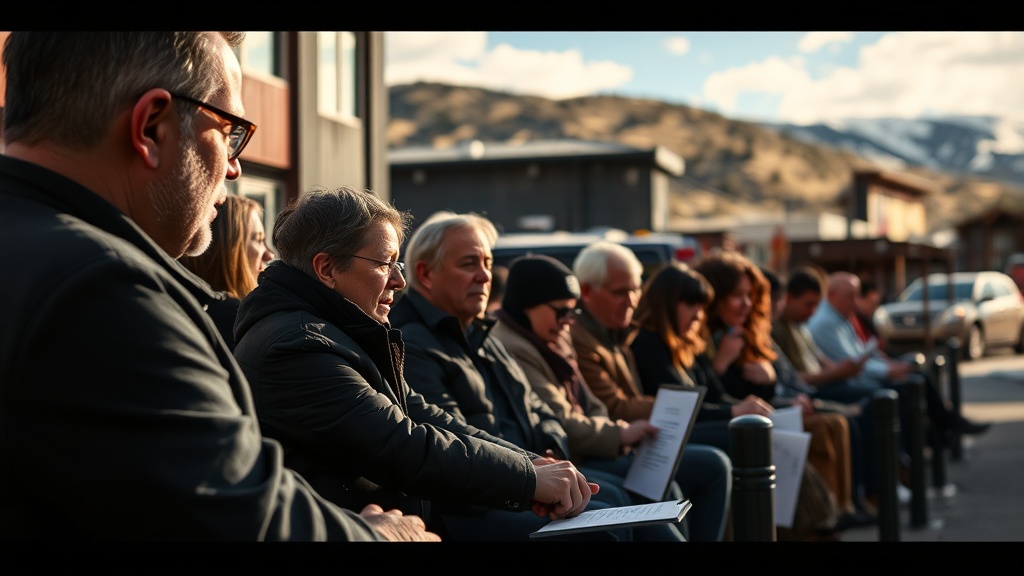
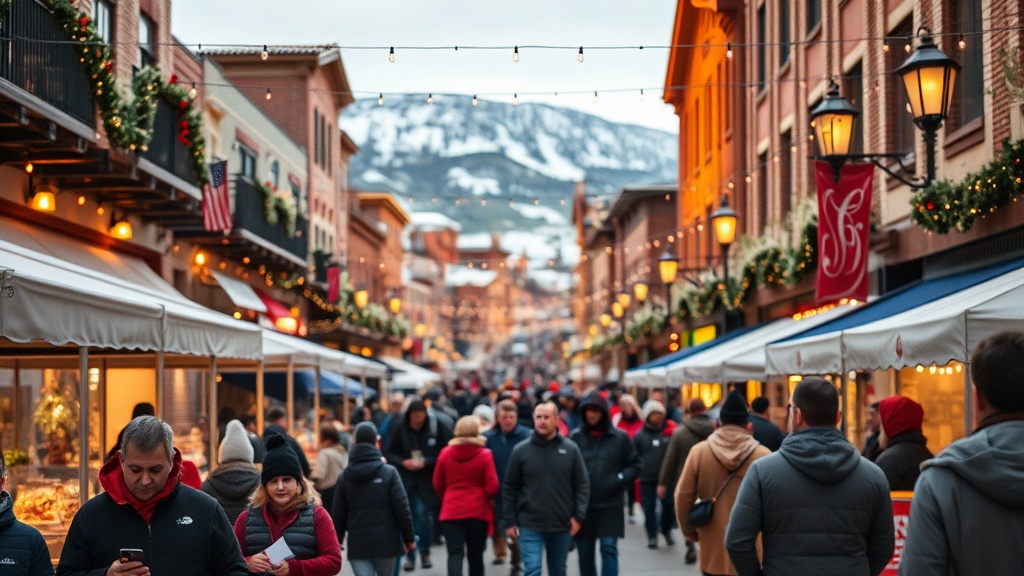
In the wake of the recent Park City elections, a palpable sense of division has emerged within the community regarding the direction of its development. The previous city council faced criticism over its handling of public land, with many residents expressing concerns about the impact of luxury hotel developments, the destruction of pristine woodlands, and the obscuring of mountain vistas. These contentious issues have sparked discussions about the future of Park City and the need for more robust community engagement in the decision-making process.
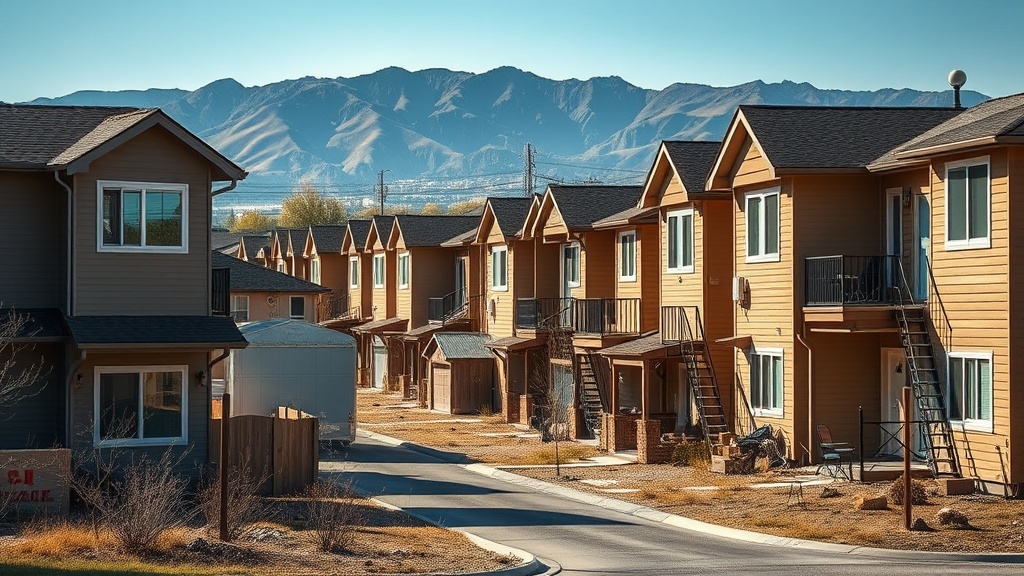
One of the central points of contention in these discussions is the council's approach to managing publicly owned land. Critics argue that the council has prioritized the interests of developers over the preservation of the community's natural resources and scenic views. In recent years, proposals for new luxury hotels and housing developments have raised alarms among residents who fear that Park City's unique character and environment are at risk. The debate has highlighted the need for greater scrutiny and transparency in how public land is utilized and developed.
The Main Street Area Plan has become a focal point for this discontent, with many residents believing that the council's engagement with the community has been insufficient. While city officials cite public input forms as evidence of community involvement, critics argue that 38 forms do not adequately represent the diverse opinions and concerns of the entire electorate. This sentiment was echoed during the recent elections, where Jack Rubin emerged as a prominent candidate advocating for more inclusive decision-making processes and a reevaluation of current development plans.
Rubin's campaign resonated with a significant portion of the electorate, garnering nearly half of the votes cast. His message, which emphasized a need for change and a shift in how the city approaches development, struck a chord with residents who feel disenfranchised by the previous council's decisions. Rubin's platform included a commitment to prioritizing public opinion in future developments and ensuring that the voices of all community members are heard in the planning process.
As the dust settles from the election, the implications of Rubin's candidacy and the broader community sentiment are becoming increasingly clear. Many residents are calling for a more collaborative approach to governance, where diverse opinions are not only welcomed but actively sought out. This paradigm shift could lead to a more equitable distribution of resources and a greater emphasis on preserving the unique character of Park City.
Moreover, the community is calling for a thorough reevaluation of existing plans that may prioritize short-term economic gain over long-term sustainability. The fear is that without proper checks and balances, the very essence of Park City—its natural beauty and community spirit—could be compromised in favor of luxury developments that cater to a select few.
In light of these developments, it is incumbent upon the newly elected councilors, including potential leaders like Rubin, to engage meaningfully with their constituents. This involves not only addressing the immediate concerns surrounding land use and development but also fostering a culture of transparency and accountability within city governance. Residents are looking for a council that prioritizes their needs and values their input, ensuring that Park City's future is shaped by the collective vision of its community rather than the interests of external developers.
As Park City navigates these complex issues, the outcome will hinge on the willingness of its leaders to listen to the voices of their constituents and adapt their strategies accordingly. The recent elections serve as a catalyst for change, and the community's hopes for a more inclusive and thoughtful approach to development are now resting on the shoulders of its elected officials. The path forward will require a commitment to dialogue, collaboration, and a shared vision for the future of Park City, ensuring that it remains a vibrant and sustainable community for generations to come.