Controversy Erupts Over Proposal to Rename Harvey Milk Boulevard in Salt Lake City
The proposal to rename Harvey Milk Boulevard after Charlie Kirk ignites debate over inclusion and division in Salt Lake City.
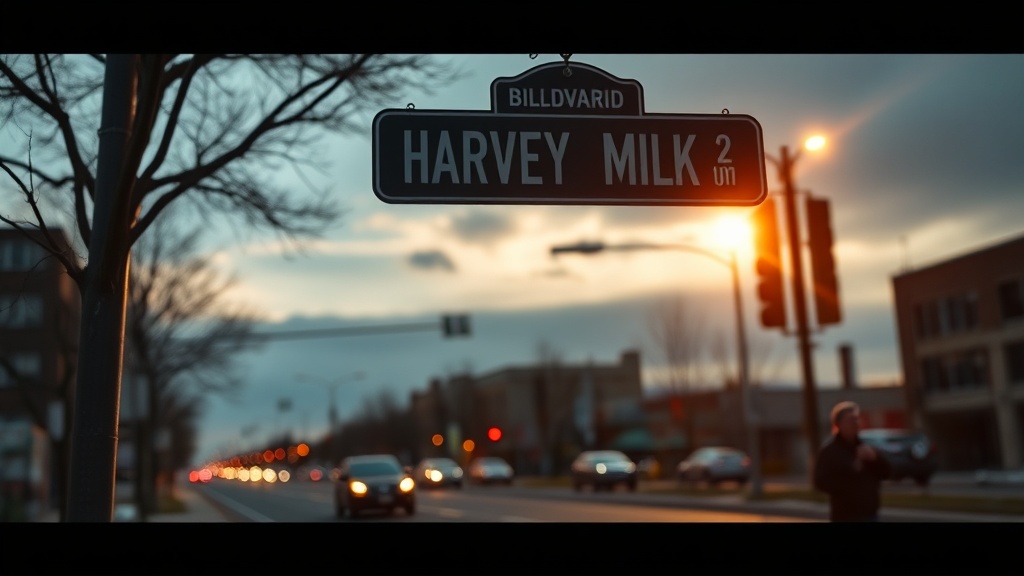
In Salt Lake City, a proposed bill known as HB196 has ignited a heated debate over the renaming of Harvey Milk Boulevard. The bill seeks to replace the name of the street, which honors the late LGBTQ+ activist Harvey Milk, with that of Charlie Kirk, a prominent conservative figure and founder of the organization Turning Point USA. The proposal has sparked widespread opposition among community members, activists, and local leaders who argue that such a change would not only erase a significant symbol of inclusion but also promote division within the community.
Harvey Milk, who became one of the first openly gay elected officials in the United States when he was elected to the San Francisco Board of Supervisors in 1977, is celebrated for his advocacy for LGBTQ+ rights. His legacy is recognized nationally, and streets named after him serve as reminders of the struggles and achievements of the LGBTQ+ community. Supporters of the current name argue that it represents a commitment to inclusivity, equality, and the ongoing fight for civil rights.
The bill, introduced by state legislators, claims that it aims to reflect a more conservative viewpoint in the community. Proponents of the renaming see Kirk as a voice for traditional values and argue that his presence in the political arena is vital for fostering dialogue around conservative principles. However, critics assert that replacing Milk's name with Kirk's would send a message of exclusion to marginalized groups, particularly the LGBTQ+ community.
In public forums and discussions, many have voiced their concerns regarding the implications of such a renaming. Local activist Jamie Rodriguez stated, "Harvey Milk Boulevard is more than just a street name; it is a beacon of hope for many individuals who have faced discrimination and violence. To replace it with someone who has made divisive comments about the LGBTQ+ community would be a profound disrespect to Milk’s legacy."
Kirk, known for his outspoken views on social issues, has drawn criticism for his comments regarding LGBTQ+ rights and has been accused of fostering a narrative that marginalizes these communities. This has led to an outcry from various local organizations and advocacy groups, who have organized rallies and campaigns to oppose the bill. The Human Rights Campaign, a national LGBTQ+ advocacy group, issued a statement condemning the proposal, emphasizing that renaming the boulevard would undermine years of progress made in the fight for equality.
In response to the backlash, supporters of HB196 argue that the proposal is simply a reflection of changing values within the community. They assert that the renaming process is a democratic exercise that allows for different perspectives to be represented on public streets. State Representative Mark Anderson, one of the bill’s sponsors, commented, "This bill is about giving a voice to those who feel overlooked in our community. We believe that everyone deserves representation, and Charlie Kirk embodies the values that many in our community hold dear."
Despite these assertions, opponents maintain that the renaming undermines the very principles of inclusion and diversity that many Salt Lake City residents cherish. Community leaders have urged the city council to consider the long-term impact of such a decision, arguing that it could set a concerning precedent for how public spaces are named and the values they represent.
The debate has also prompted discussions about the broader implications of political representation in public spaces. Some local historians have noted that street names often reflect societal values and historical narratives. Changing a name can alter the cultural landscape of a community, potentially erasing important histories. Dr. Lisa Martinez, a local historian, stated, "Street names are more than labels; they tell the story of who we are as a society and what we value. Renaming Harvey Milk Boulevard would represent a significant shift away from the ideals of acceptance and equality."
As the legislative session progresses, the fate of HB196 remains uncertain. Public hearings are expected to take place soon, allowing residents to voice their opinions on the proposed renaming. City officials have indicated that they will carefully consider community feedback before making any decisions. The ongoing conversation surrounding the bill underscores the challenges faced by communities grappling with issues of representation, inclusion, and the memory of historical figures.
In conclusion, the proposal to rename Harvey Milk Boulevard after Charlie Kirk has stirred a complex and multifaceted debate in Salt Lake City. As community members continue to express their concerns, the implications of the bill extend beyond a simple name change, touching on deeper issues of identity, representation, and the ongoing struggle for equality. The outcome of this proposal will likely shape the narrative of Salt Lake City’s commitment to inclusivity for years to come.