Prolonged Inversions Cause Deteriorating Air Quality Across Utah
Utah faces worsening air quality this week due to prolonged inversions, prompting health warnings and travel advisories.

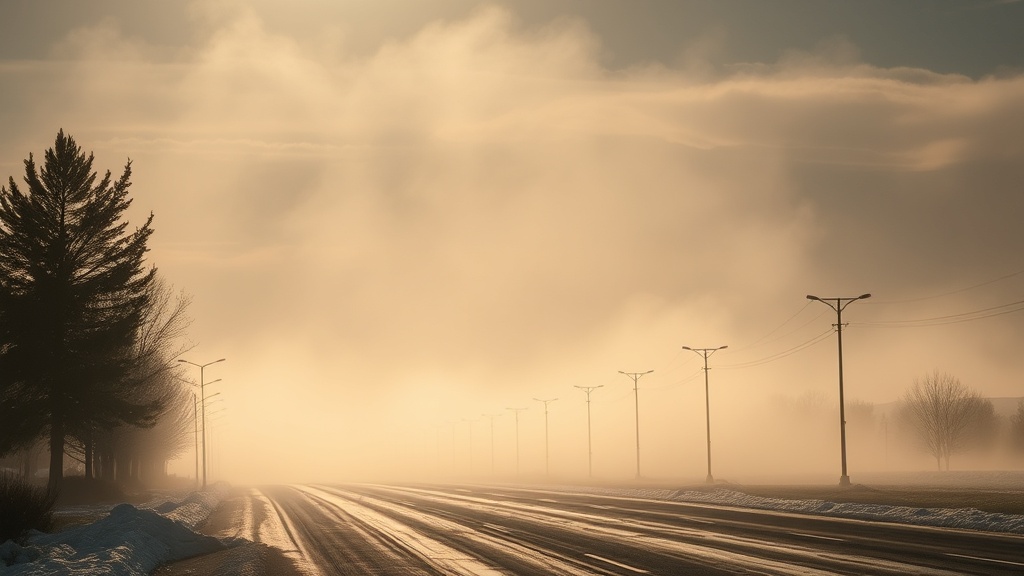
SALT LAKE CITY, UT - Residents across Utah are bracing for a prolonged weather phenomenon known as an inversion, which is expected to severely impact air quality throughout the week. Meteorologists are warning that these weather patterns will lead to increased valley haze and a rise in the chances of overnight fog, prompting health experts to advise residents to limit outdoor activities and reduce driving where possible. The anticipated inversion, characterized by a layer of warm air trapping colder air and pollutants close to the ground, is forecasted to last until later this week, raising concerns among local authorities and health officials.
Inversions typically occur during the winter months when clear skies and calm winds allow the temperature to drop significantly at night. The phenomenon is particularly common in Utah's mountain valleys, where cold air becomes trapped beneath a layer of warmer air. This results in stagnant conditions that can cause air pollutants from vehicles, industry, and other sources to accumulate in the lower atmosphere, resulting in decreased air quality. As of Monday, January 9, the air quality in several Utah counties, including Salt Lake and Utah counties, has already dipped into the 'unhealthy' range according to the Utah Department of Environmental Quality (DEQ).
"We are urging residents to take precautions as the air quality continues to worsen this week," said Dr. Jennifer Plumb, a pediatrician and member of the Utah Air Quality Board. "Inversions can exacerbate respiratory conditions and other health issues, particularly among vulnerable populations such as children, the elderly, and those with pre-existing health conditions."
On Monday, Salt Lake City experienced sunny conditions, but the forecast called for increasing valley haze as the day progressed. High temperatures reached near 40 degrees Fahrenheit, a stark contrast to the cold, hazy nights that can drop into the mid-20s. Meanwhile, St. George, located in southern Utah, enjoyed sunny skies with highs in the mid-50s and clear, cold nights. The disparity in weather patterns between northern and southern Utah highlights the diverse climatic conditions experienced in the state.
The DEQ has reported that air quality monitoring stations are detecting elevated levels of particulate matter (PM2.5), which can lead to serious health implications when inhaled. The fine particles can penetrate deep into the lungs and enter the bloodstream, potentially causing cardiovascular and respiratory issues. In light of these findings, officials are encouraging residents to take immediate actions such as reducing car idling, utilizing public transportation, and avoiding outdoor exercise during the inversion period.
In addition to local health impacts, the inversions are also expected to affect visibility on roadways, especially during the early morning and late evening hours when fog is likely to form. Drivers are advised to exercise caution, using low-beam headlights and allowing extra time to reach their destinations. The Utah Department of Transportation (UDOT) has been actively monitoring road conditions and is prepared to deploy additional resources as necessary to ensure public safety.
As the week progresses, meteorologists will continue to monitor atmospheric conditions to provide updated forecasts. Residents can stay informed by accessing real-time weather updates through various platforms, including the Utah Weather Authority app, which provides the latest forecasts and alerts. Additionally, the interactive radar feature available on the DEQ’s website can help residents track air quality conditions across the state.
In conclusion, the expected prolonged inversion period in Utah poses considerable challenges not only for air quality but also for public health and safety. With the potential for increasing valley haze and fog, it is crucial for residents to remain vigilant and take proactive measures to safeguard their health. As this weather phenomenon develops, officials will remain on alert and provide timely updates to the community to ensure everyone is prepared for the conditions ahead.