Nurdles: The Tiny Plastic Pellets Causing Big Environmental Concerns
Nurdles, tiny plastic pellets, are polluting U.S. waters and beaches, prompting calls for regulatory action.
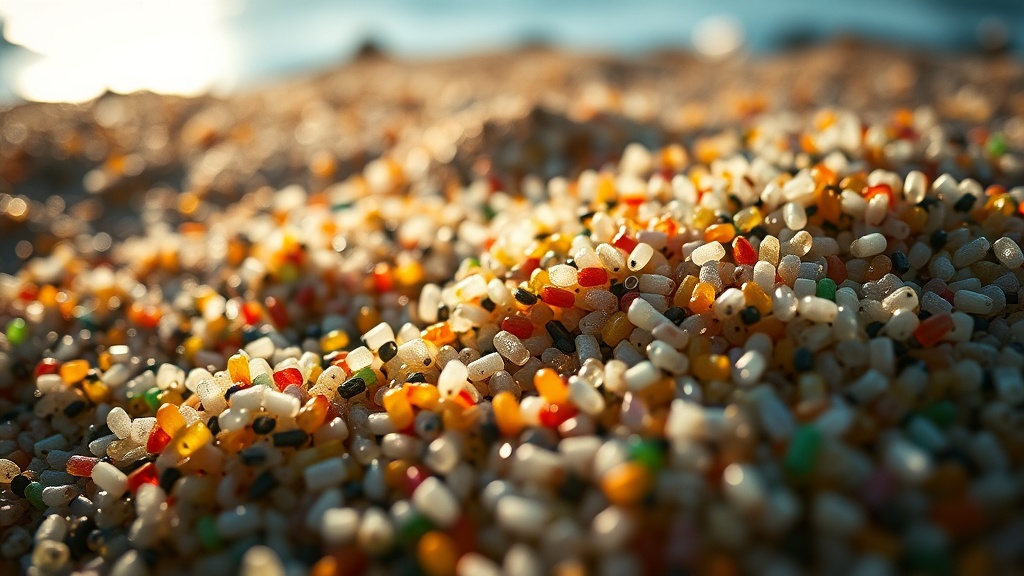
Plastic pollution has taken a new form with the emergence of tiny plastic pellets known as nurdles, which are now wreaking havoc on beaches and waterways across the United States. These minuscule spheres, typically measuring less than 5 millimeters in diameter, are the foundational building blocks of nearly all plastic products. However, when mishandled during manufacturing or transportation, these pellets can escape into the environment, posing significant threats to both wildlife and human health. Diane Wilson, a fourth-generation shrimper and fisherwoman from Seadrift, Texas, has transformed from a local fisherwoman into a leading environmental activist by spearheading efforts to combat nurdle pollution. Now the executive director of the San Antonio Bay Estuarine Waterkeeper, Wilson explains the pervasive nature of nurdles. "They’re everywhere. They’re a real threat to human health and the planet, and we’re trying to protect the communities and the fishermen and the bays,” she states.
An alarming estimate indicates that around 445,970 metric tons of nurdles enter the oceans annually. Once in the water, these pellets can absorb harmful toxins, acting like sponges that accumulate pollutants as they move through the food chain. This raises serious concerns about the potential health impacts on both marine life and humans who consume seafood.
Efforts to address nurdle pollution have gained traction in several states. California set a precedent in 2007 by enacting legislation to curb nurdle spills, and similar measures are now being introduced in states like Illinois, New Jersey, and Virginia. However, even in staunchly conservative regions like Texas, a coalition comprising environmentalists, fishermen, and local officials is advocating for stricter regulations. State Representative Erin Zwiener, a Democrat from Dripping Springs, has introduced multiple bills aimed at regulating nurdle spills during the last two legislative sessions. “I think some members of the industry know the black eye they’re getting on this and would like to see some curtailment of the worst actors,” Zwiener remarked.
The plastics industry has long been aware of the issue, having established a voluntary program named Operation Clean Sweep in 1991 to prevent nurdle spills. Over two-thirds of U.S. plastics production occurs at participating facilities in this initiative. However, critics like Wilson argue that the program lacks meaningful enforcement and accountability measures. “They’re just being sloppy, and they can do better, but nobody’s making them do it,” Wilson asserts.
Wilson gained national attention in 2019 when she was a co-plaintiff in a landmark lawsuit against Formosa Plastics, resulting in a record $50 million settlement for illegally dumping nurdles and other pollutants into Texas waterways. Instead of benefiting the plaintiffs, the funds are designated for projects aimed at reversing pollution in the affected areas. Currently, Wilson is preparing for another legal battle, having filed a notice of intent to sue Dow Chemical Company for alleged illegal discharges of plastic pellets from its facility near Seadrift.
Nurdles are part of a broader issue of microplastic pollution, which also encompasses other forms such as microbeads found in cosmetics and tiny fragments from broken-down plastic products. Microplastics have been detected in tap water, bottled water, and even in the Great Lakes, with studies suggesting that humans may ingest the equivalent of one credit card’s worth of microplastics weekly. The health implications remain under study, with potential links to cancer and reproductive issues.
This past spring, volunteers participated in a worldwide initiative to collect nurdles, resulting in nearly 50,000 pellets gathered over 11 days across 200 sites in 14 countries, including 29 U.S. states. Texas reported the highest count, with over 23,000 nurdles collected, underscoring the severity of the issue in coastal regions. In response, organizations representing various stakeholders, including fishermen and tourism groups in Texas, have sent letters to Governor Greg Abbott urging action against nurdle pollution. They emphasize the economic stakes, noting that the outdoor recreation industry in Texas supports nearly 300,000 jobs and contributes significantly to the state’s economy.
Texas has at least 36 plastic production plants, and proposed legislation attempted to classify nurdles as non-hazardous industrial waste, which would have triggered stricter regulations and monitoring. However, these efforts have faced resistance from industry representatives who argue that existing voluntary measures are sufficient and that further regulation could hinder business.
In Galveston, Texas, a city heavily reliant on clean beaches for tourism, local advocates are actively engaged in nurdle patrols, collecting thousands of pellets over the years. Joanie Steinhaus, ocean program director at the Turtle Island Restoration Network, noted that the organization has mobilized volunteers to remove more than 17,000 nurdles from beaches. The call for action has even garnered support from influential figures like J.P. Bryan, a Texas oilman, who has publicly advocated for addressing nurdle pollution as both an ecological and economic necessity.
As nurdle pollution continues to pose challenges to communities and ecosystems, the urgent need for regulatory action and public awareness has never been clearer. The growing movement to tackle this issue illustrates a collective recognition that addressing plastic pollution is essential for the health of our oceans and the communities that depend on them.