National MAGA Leaders Rally in Utah for GOP Signature Drive
MAGA leaders rally in Utah to support GOP's push to repeal Proposition 4, a key electoral reform initiative.
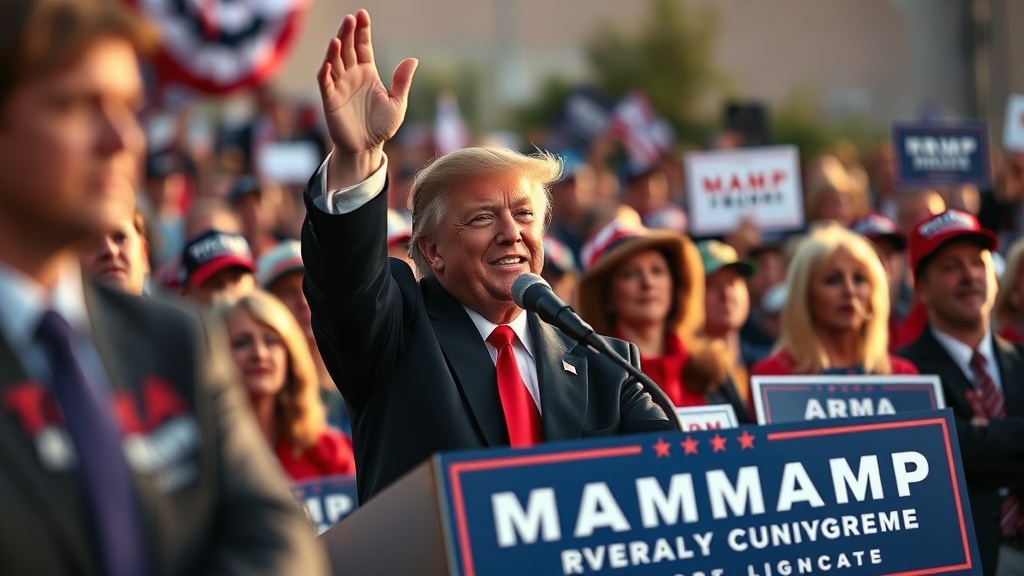
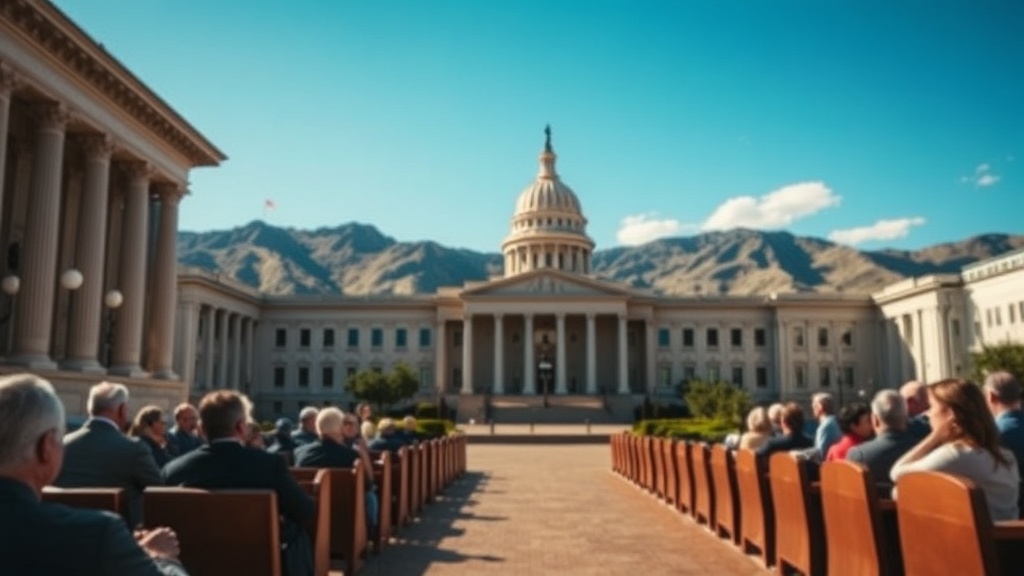
In a significant move that has drawn national attention, prominent figures from the MAGA movement have descended upon Utah to bolster the Republican Party's efforts to reverse the controversial 2018 ballot initiative known as Proposition 4. This initiative, which established an independent redistricting commission aimed at curbing gerrymandering, has become a focal point for GOP leaders seeking to reclaim influence in the state's electoral processes.
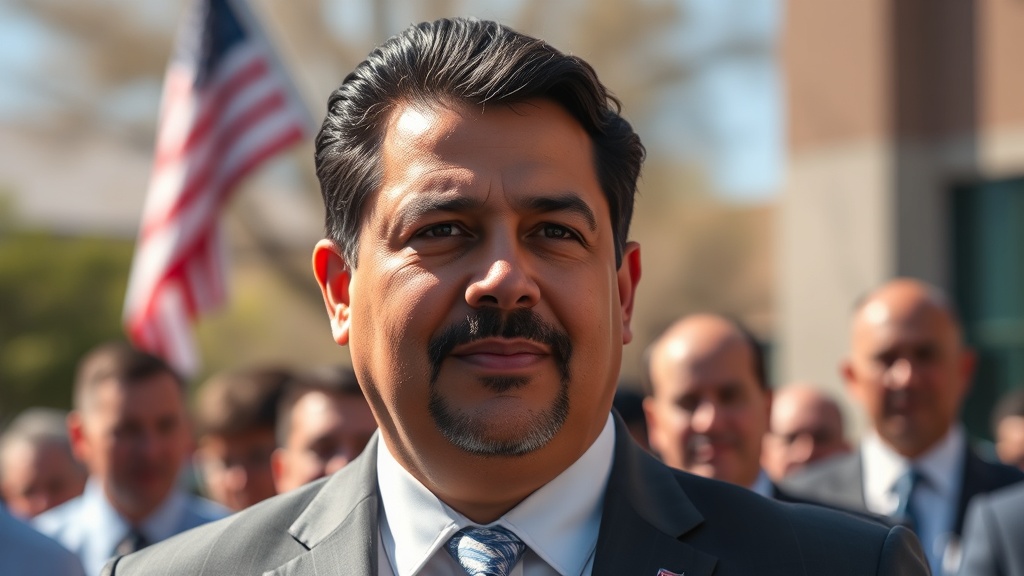
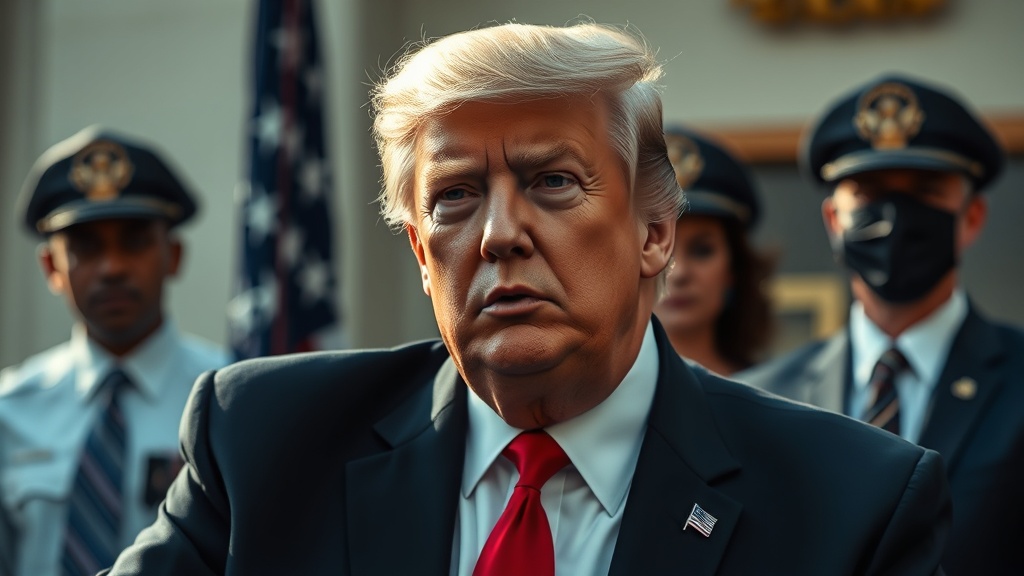
The Utah Republican Party is currently engaged in a vigorous campaign to gather signatures to place a repeal of Proposition 4 on the ballot for the next election cycle. This effort has gained momentum with the arrival of high-profile MAGA supporters, who are mobilizing grassroots efforts across the state. Among those leading the charge is former Trump campaign strategist and advisor, who has been instrumental in rallying local GOP supporters and energizing volunteers to gather the necessary signatures.
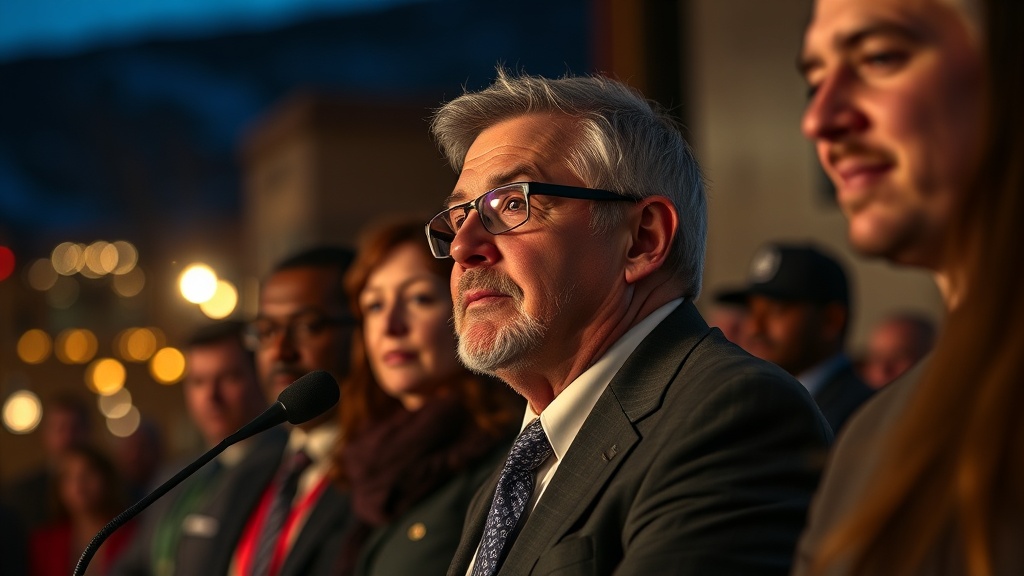
"This is about ensuring that our electoral processes are fair and transparent, and that the voices of Utahns are heard loud and clear," stated the former strategist during a recent rally in Salt Lake City. "We are committed to taking back control of our districts and ensuring that our elections reflect the will of the people, not the will of a commission."
Proposition 4 was passed by a significant majority in the 2018 election, with 51.2% of voters supporting it. The measure aimed to create an independent commission to handle congressional redistricting, a move that supporters argued would minimize partisan influence and prevent gerrymandering. However, critics of the initiative, including many in the state’s Republican Party, contend that it has led to an unfair and unbalanced electoral landscape.
As part of their signature-gathering campaign, GOP leaders have organized a series of town hall meetings and community events throughout Utah. These gatherings serve a dual purpose: to educate the public about the perceived drawbacks of Proposition 4 and to mobilize volunteers to assist in the signature collection process. Many local GOP members have expressed a sense of urgency, stating that the repeal of Proposition 4 is essential for restoring Republican power in the state.
“Every signature we gather represents a stand against a system that we believe has been rigged against us,” said a prominent local party official. “We want to ensure that the next redistricting process is done with the input of the people, not just behind closed doors by a commission that may not reflect our values.”
The involvement of national MAGA figures has invigorated the local GOP base, drawing both enthusiasm and skepticism from various factions within the party. Some grassroots activists have embraced the attention, viewing it as a critical opportunity to increase their visibility and strengthen their efforts. However, others have expressed concern that reliance on national figures might overshadow local issues and diminish the grassroots nature of their campaign.
Political analysts have noted that the outcome of this signature-gathering effort could have far-reaching implications for the Utah Republican Party and the broader national landscape. Should the GOP successfully place the repeal of Proposition 4 on the ballot and win the subsequent vote, it could signal a shift in the party's strategy towards a more aggressive stance on electoral issues. Furthermore, it could embolden similar movements in other states where independent redistricting initiatives have been implemented.
In the weeks leading up to the signature deadline, the Utah Republican Party is expected to ramp up its efforts, utilizing both traditional campaign tactics and modern digital outreach to maximize engagement. Social media campaigns, targeted advertisements, and strategic partnerships with local businesses are all part of the plan to raise awareness and encourage participation.
Opponents of the repeal are preparing to counter the GOP's message. Advocacy groups that supported Proposition 4 are mobilizing their resources to defend the initiative, emphasizing the importance of independent oversight in the redistricting process. They argue that the integrity of elections is paramount and that the establishment of an independent commission was a necessary step towards ensuring fairness in representation.
As the political landscape in Utah continues to evolve, the outcome of this signature-gathering initiative will be closely monitored by political observers nationwide. With both sides gearing up for a heated battle, the stakes have never been higher. The future of redistricting in Utah hangs in the balance, and voters will soon have the opportunity to weigh in on this crucial issue. In the coming months, as campaigns intensify, the conversations and debates surrounding Proposition 4 will undoubtedly shape the state’s political narrative heading into the next election cycle.
In conclusion, the arrival of MAGA leaders in Utah underscores the increasing nationalization of local political battles, with both parties recognizing the significance of grassroots mobilization in shaping electoral outcomes. As the campaign unfolds, it remains to be seen whether the GOP can effectively harness this momentum to achieve their goal of repealing Proposition 4 and altering the landscape of future elections in Utah.