Key Insights from 2025 Report on Great Salt Lake Water Consumption Trends
A new report reveals critical insights on water consumption trends affecting the Great Salt Lake, emphasizing the need for conservation and collaboration.
In a comprehensive report released this week, researchers and environmentalists have outlined five critical lessons learned about the Great Salt Lake's water consumption trends over the past year. As the region continues to grapple with the ongoing impacts of climate change and increasing water demands, this report serves as a crucial resource for policymakers, stakeholders, and local residents who are invested in the health of this vital ecosystem. The Great Salt Lake, once a thriving body of water, has faced significant challenges in recent years, leading to alarming declines in water levels and raising concerns about ecological sustainability.
The report highlights a significant trend in water consumption across Utah, indicating a growing demand for water resources amidst a changing climate. Researchers noted that urban expansion and agricultural practices have contributed to an uptick in water usage. “Our data clearly shows that as Utah's population continues to grow, so does the strain on our shared water resources,” said Dr. Emily Johnson, a leading researcher at the Utah Water Research Institute. “Understanding these trends is crucial for developing effective management strategies.”
One of the key lessons from the report is the importance of conservation efforts. The study found that implementing water-saving technologies and practices could significantly reduce water consumption. For instance, households that adopted xeriscaping—a landscaping method that reduces or eliminates the need for irrigation—reported a 30% decrease in water use. Furthermore, the report emphasizes the need for public awareness campaigns to encourage residents to adopt more sustainable water practices. “Education is paramount,” Dr. Johnson emphasized. “If we want to see change, we need to engage the community in understanding the significance of their water choices.”
Another significant finding pertains to the interplay between agricultural practices and the health of the Great Salt Lake. Agriculture remains a major consumer of water in Utah, accounting for nearly 80% of the state’s water usage. The report suggests that modernizing irrigation systems and increasing efficiency in farming practices could lead to a substantial decrease in water consumption. “Innovative techniques like drip irrigation can save millions of gallons of water each year,” explained agricultural expert, Mark Thompson. “It’s vital for farmers to understand that these changes not only benefit the lake but also their bottom line.”
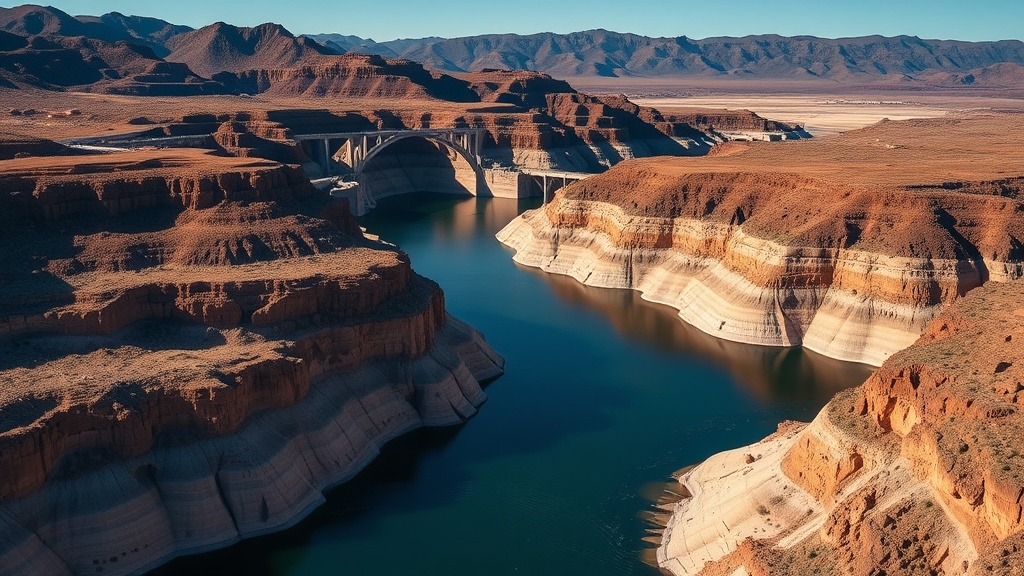
The report also delves into the ecological ramifications of the Great Salt Lake's declining water levels. As the lake shrinks, it has become increasingly saline, which poses risks to the diverse wildlife that depend on the ecosystem. The loss of habitat for migratory birds and other species has prompted concerns among conservationists. “The Great Salt Lake is a crucial stopover for millions of migratory birds,” stated Sarah Green, a wildlife biologist with the Utah Division of Wildlife Resources. “If we do not take immediate action, we risk losing not only the lake but the vital biodiversity that it supports.”
Moreover, the report points to the economic implications of the lake’s decline. The Great Salt Lake is not only an ecological treasure but also a source of economic activity, attracting tourism and recreational opportunities. The shrinking lake has the potential to impact local businesses that rely on the tourism industry. “We must recognize the lake not just as an environmental asset but as an economic one too,” noted local business owner, James McCarthy. “Our livelihoods depend on its health and vitality.”
Finally, the report underscores the necessity of collaborative efforts among various stakeholders, including government agencies, non-profit organizations, and the community. “Addressing the challenges facing the Great Salt Lake will require a concerted effort from all sectors,” Dr. Johnson stated. “We need to come together, share resources, and implement solutions that benefit both the lake and the people of Utah.”
The findings of this report provide a sobering reminder of the challenges facing the Great Salt Lake and the broader implications for Utah's water future. As the state continues to grow and evolve, proactive measures will be essential to ensure the sustainability of this critical resource. The lessons learned over the past year highlight the urgent need for a collective response to safeguard the Great Salt Lake for generations to come. In an era of climate uncertainty, the time for action is now, and the responsibility falls on all of us to protect this irreplaceable ecosystem.