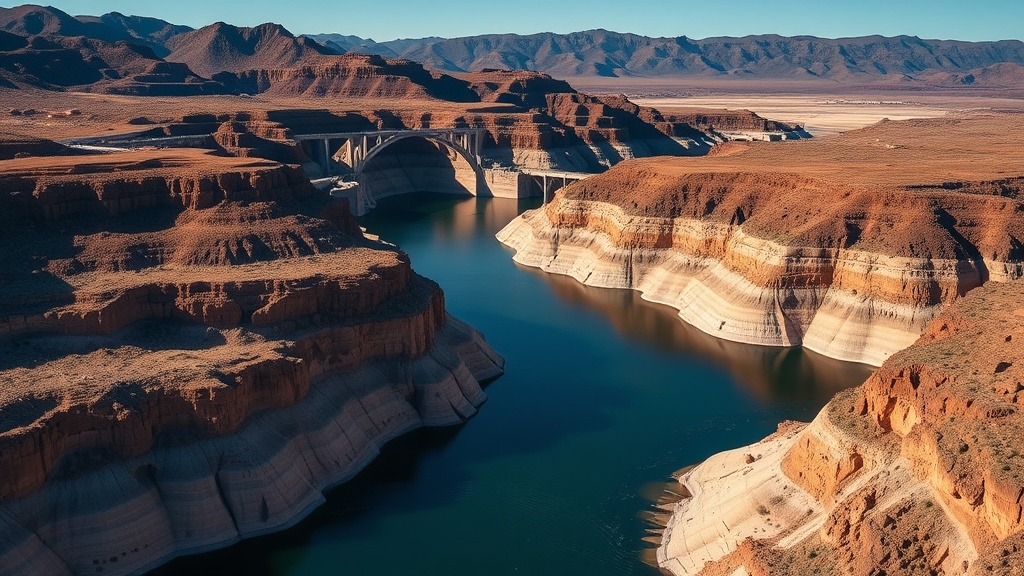
Great Salt Lake Hits Third-Lowest Level on Record: Urgent Action Needed
The Great Salt Lake ends 2025 at its third-lowest level, prompting urgent calls for action to address water management and climate challenges.
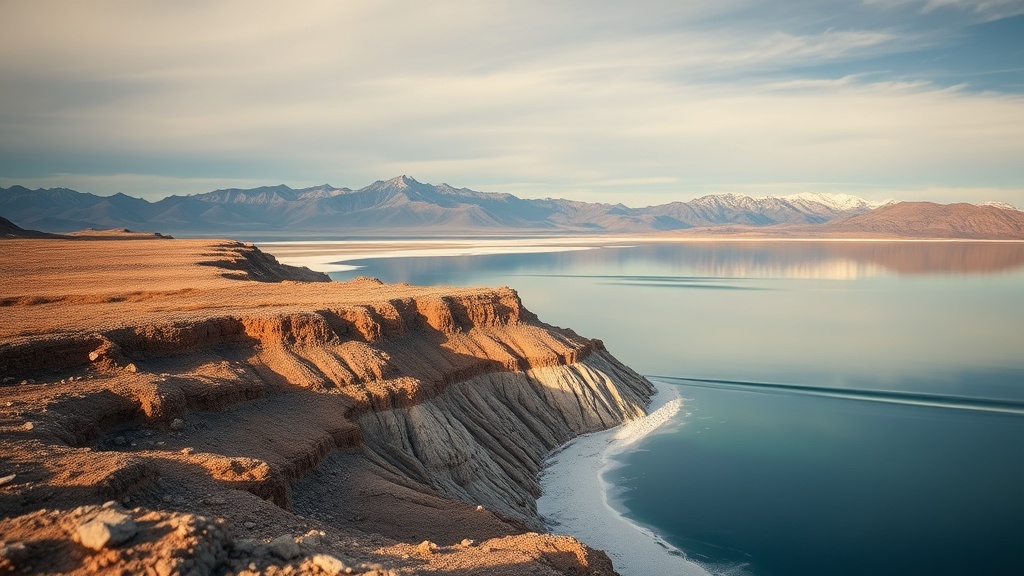
SALT LAKE CITY — The Great Salt Lake, a vital ecological and economic resource for Utah, has ended the 2025 Water Year at a critically low level, standing at 4,191.1 feet, making it the third-lowest recorded elevation since monitoring began in 1903. This alarming finding comes from the Great Salt Lake Strike Team, a collaborative effort comprising researchers from the University of Utah, Utah State University, and various state leaders and advocacy groups. Their recent report underscores the ongoing challenges facing the lake while highlighting some progress made in water management efforts over recent years.
The Great Salt Lake is not just an impressive natural feature; it plays a crucial role in the state's ecosystem and economy. The lake supports a diverse range of wildlife, particularly migratory birds, and contributes to the local economy through industries such as tourism and salt production. However, prolonged drought conditions, climate change, and increased water consumption have exacerbated the lake's decline, raising concerns among environmentalists and policymakers alike.
The Strike Team has indicated that while there have been significant strides in stabilizing the lake, the situation remains dire. Nearly 400,000 additional acre-feet of water have been delivered to the lake between 2021 and 2025. These measures, including the strategic management of the causeway berm, have helped stabilize salinity levels in the lake's south arm, promoting a more balanced ecosystem. Despite these efforts, experts warn that the lake requires a sustained, data-driven approach to prevent further degradation.
In their comprehensive report, which was intended for the Utah State Legislature ahead of its annual session beginning on January 20, the Strike Team emphasized the urgent need for continued action. They projected that the lake could potentially return to a healthier level of 4,198 feet by the year 2055, but only if an additional 800,000 acre-feet of water is allocated to the lake each year. This ambitious goal highlights the scale of the challenge that lies ahead, particularly as climate change continues to exacerbate water scarcity in the region.
Climate models suggest that rising temperatures will lead to increased evaporation rates, potentially offsetting any gains made from higher precipitation. "Climate projections further suggest that increasing temperatures will lead to greater evaporation, potentially offsetting gains from expected higher precipitation," the team noted in their findings. This underscores the complexity of the issue and the need for multifaceted solutions that address both immediate and long-term challenges.
The implications of the lake's decline extend beyond environmental concerns. Local economies that rely on the lake, especially industries tied to tourism and salt extraction, may face significant financial repercussions as the lake continues to shrink. Additionally, the reduced water levels could impact air quality, leading to increased dust emissions from the lakebed, which can pose health risks to residents in the surrounding areas.
The Strike Team's report has sparked discussions among lawmakers and stakeholders about the future of water management in Utah. The upcoming legislative session will likely focus on policies aimed at increasing water conservation efforts and reallocating resources to ensure that the Great Salt Lake receives the water it desperately needs. Advocates are calling for a comprehensive water strategy that not only addresses the immediate crisis but also lays the groundwork for sustainable management of water resources in the face of climate change.
As the Great Salt Lake continues to face unprecedented challenges, the collaboration between researchers, state officials, and advocacy groups will be crucial in developing effective solutions. The urgency of the situation cannot be overstated; without immediate and sustained action, the Great Salt Lake may face irreversible damage that could have long-lasting consequences for Utah's environment and economy. The full report from the Great Salt Lake Strike Team is accessible online for those interested in delving deeper into the data and findings that highlight this critical issue.
In conclusion, the Great Salt Lake's current status serves as a stark reminder of the impact of environmental changes and human activity on natural resources. It calls for immediate attention and collaborative action to ensure that this vital ecosystem can be preserved for future generations. As stakeholders prepare for the upcoming legislative session, the hope is that the findings will not only inform policy but also ignite a renewed commitment to safeguarding this precious resource.