Exploring the Rail-to-Refinery Alternative for Heber Valley Corridor
The BackRunner Alternative proposes using rail to divert hazardous materials from Heber Valley highways, addressing safety and environmental concerns.
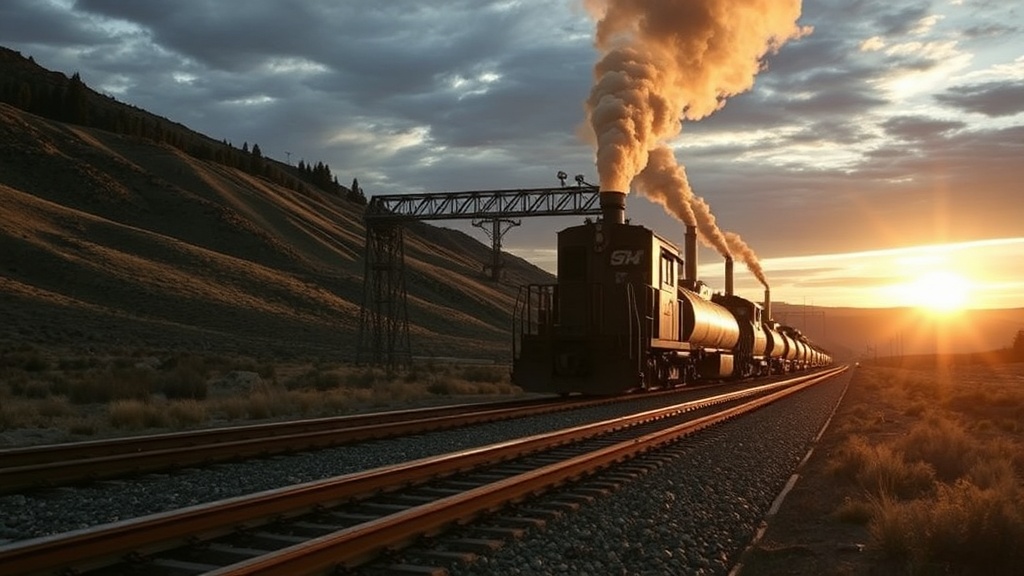
In the Heber Valley Corridor, a region characterized by its scenic landscapes and burgeoning population, the challenge of transportation safety and efficiency has reached a critical juncture. Recent discussions have centered on various highway-focused alternatives to address growing congestion, particularly around U.S. 40 and State Route 248. However, many local stakeholders are advocating for a more innovative approach: the Rail-to-Refinery (BackRunner) Alternative, which proposes utilizing existing rail infrastructure to divert hazardous materials away from congested highways.
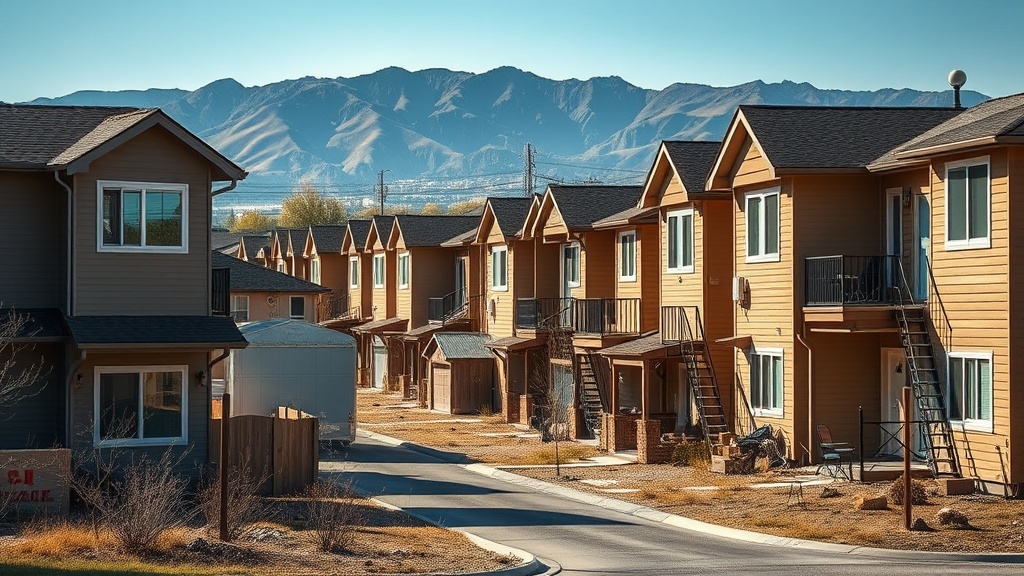
The existing highway alternatives, such as Alternative B, primarily focus on roadway expansion and realignment to improve vehicle throughput. While these measures may provide temporary relief from congestion, they do not adequately address the safety, environmental, and watershed risks associated with the increased freight traffic. The Heber Valley is home to residential neighborhoods, agricultural lands, and a crucial municipal watershed that supplies water to millions of Utah residents. The ongoing transport of hazardous materials through this narrow corridor raises serious concerns about potential spills and accidents that could have catastrophic consequences for both the environment and public safety.
The BackRunner Alternative aims to alleviate these risks by shifting freight traffic from highways to rail. This mode shift is not merely a change in transportation method; it represents a comprehensive strategy to enhance public safety and environmental protection. By utilizing a continuous rail right-of-way, the BackRunner Alternative seeks to significantly reduce the number of hazardous-materials trucks on public roads, which currently number around 700 per day. This reduction would not only lessen the exposure of motorists and residents to potential accidents but also diminish the strain on emergency responders in the event of a hazardous materials incident.
Data from federal hazardous-materials safety records supports the efficacy of rail transport, which has a significantly lower incident and fatality rate compared to highway trucking. Historical statistics reveal that from 1975 to 2021, truck-related hazardous-materials incidents resulted in over sixteen times as many fatalities as those involving rail. More than 99.99 percent of hazardous materials transported by rail reach their destinations without incident, showcasing the relative safety of this transport method.
In addition to safety benefits, the BackRunner Alternative preserves the ecological integrity of the Provo River watershed, a vital resource for the state. The current highway-based alternatives maintain numerous exposure points along the corridor, increasing cumulative risk over time. By concentrating hazardous-materials transport within a controlled rail corridor, the BackRunner Alternative minimizes new surface disturbance, reduces impacts on wetlands and agricultural lands, and lowers spill probability within the watershed.
Furthermore, this alternative is not designed to replace necessary roadway improvements, such as those being considered by the Utah Department of Transportation (UDOT) and local agencies. Instead, it complements ongoing efforts to enhance local access and safety while addressing freight risks through a more resilient transport mode. This dual approach allows for a more comprehensive transportation strategy that can adapt to the needs of both freight and passenger services.
The importance of incorporating a rail component into the environmental impact statement (EIS) process cannot be overstated. A thorough evaluation of this alternative allows for a comparison not only between single-mode roadway solutions but also integrated roadway, transit, and rail investments. This is particularly crucial during peak seasonal demand, adverse weather conditions, or emergency scenarios when reliance on a singular mode of transportation heightens vulnerability.
The Heber Valley and Park City are interconnected labor markets, with many essential workers—such as teachers, healthcare professionals, and first responders—commuting between the two areas. Currently, they face recurring congestion, especially during the winter months, which undermines commute reliability and affects workforce retention. Exploring a passenger rail option as part of the BackRunner Alternative could provide a dependable commuting solution, reduce roadway congestion, and ultimately bolster regional economic stability.
The BackRunner Alternative is designed for phased implementation, allowing for initial freight diversion to address immediate safety concerns while evaluating the feasibility of passenger rail service as demand and funding evolve. This flexibility ensures that the state can adapt to changing transportation needs without overcommitting to fixed infrastructure.
In summary, the BackRunner Alternative offers a viable and compelling solution to the pressing issues facing the Heber Valley Corridor. It meets the project’s safety, mobility, and environmental goals while providing a clear advantage over traditional roadway alternatives. By rigorously exploring and objectively evaluating this alternative, decision-makers can prioritize public safety and environmental protection while enhancing the region's transportation infrastructure to meet long-term needs. As the state continues to develop its transportation strategies, the integration of rail solutions could play a critical role in achieving a balanced, resilient, and sustainable transportation network for Utah's future.