Expert Tips for Reducing Pollution During Utah's Inversion Season
As inversion season returns to Utah, experts share essential tips for cutting down on pollution and improving air quality.

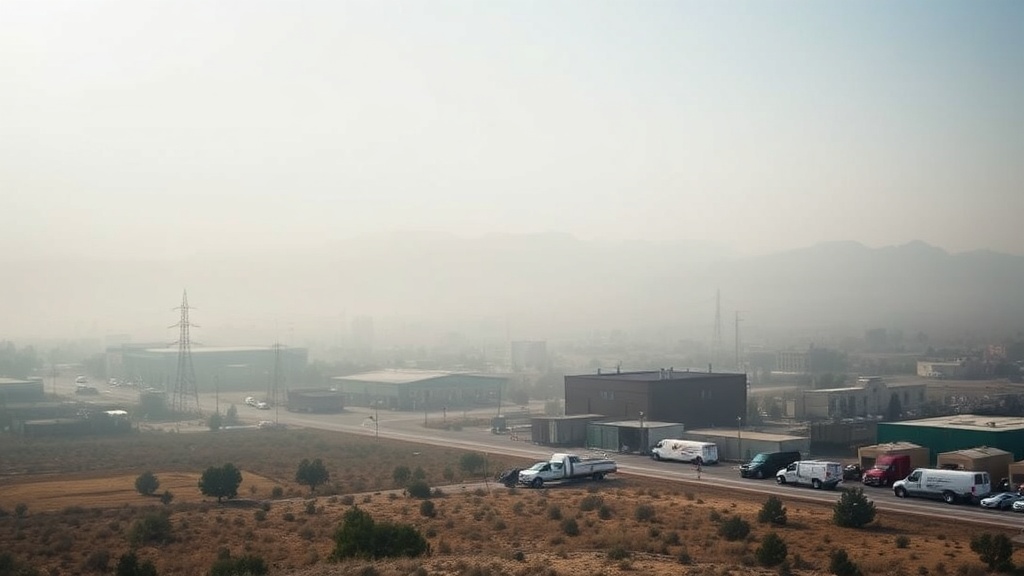
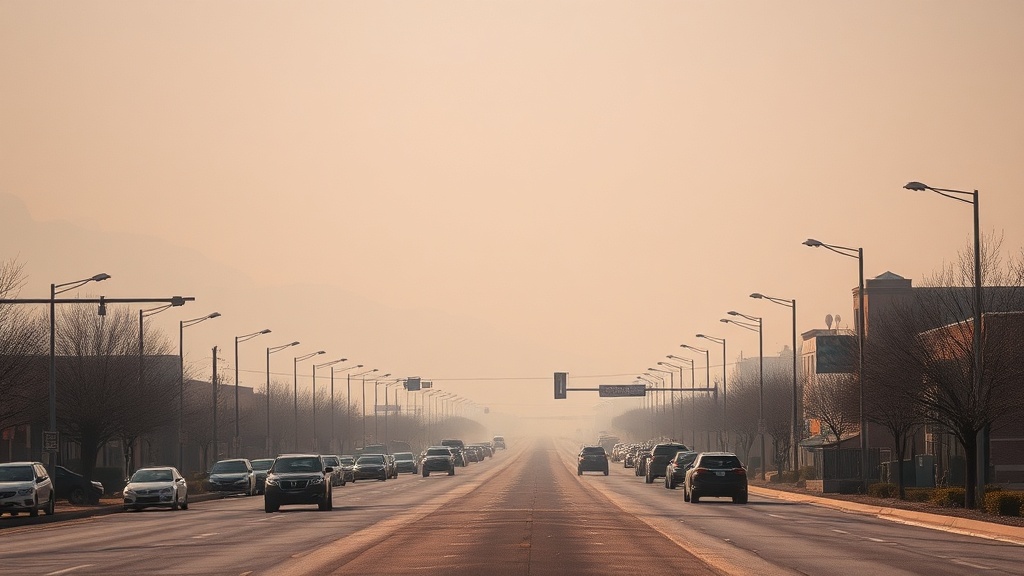
As winter descends upon Utah, residents are once again confronting the unwelcome return of a persistent layer of smog that blankets the state during inversion events. These meteorological phenomena occur when a layer of warm air traps colder air—and the pollutants within it—close to the ground, leading to hazardous air quality levels that can have serious health implications. With air quality plummeting, experts are stepping up to provide practical solutions aimed at reducing pollution during these challenging times.
Inversions typically occur in the winter months, particularly in Utah’s valleys, where geographical features create ideal conditions for smog accumulation. The Wasatch Front, which includes major urban centers like Salt Lake City, is especially vulnerable, often experiencing days—sometimes weeks—of poor air quality. According to the Utah Division of Air Quality, particulate matter (PM2.5), which can penetrate deep into the lungs and even enter the bloodstream, becomes a significant concern during these inversions. The Utah Department of Health warns that prolonged exposure to poor air quality can exacerbate conditions such as asthma, heart disease, and other respiratory illnesses.
To combat the effects of inversion and improve air quality, experts recommend a multi-faceted approach. One of the most effective strategies is to limit vehicle emissions. Transportation is one of the largest contributors to air pollution in urban areas. Residents are encouraged to utilize public transportation whenever possible, carpool, or opt for biking and walking for shorter distances. In Salt Lake City, several initiatives are underway to enhance public transit options, making it easier for residents to leave their cars at home.
“Using public transport not only reduces individual carbon footprints but also contributes to a collective effort in battling air pollution,” said Dr. Sarah Martinez, an environmental health expert at the University of Utah. “Even small changes in daily commuting habits can lead to significant improvements in air quality.”
Another practical measure involves reducing home heating pollution. Many households in Utah rely on wood-burning stoves or fireplaces to keep warm during the cold months. However, the smoke from these sources can significantly worsen air quality. Experts recommend that residents switch to cleaner heating methods, such as electric or natural gas heating systems, which produce fewer emissions. If wood-burning is necessary, it is advised to use seasoned wood and ensure that stoves are EPA-certified, which can dramatically reduce particulate emissions.
In addition to transportation and heating, residents are encouraged to be mindful of other activities that contribute to air pollution. Avoiding yard work during inversion days, for example, can help limit the dust and debris that can exacerbate air quality issues. Furthermore, it’s crucial to limit the use of certain household products, such as paints, solvents, and aerosol sprays, which can release volatile organic compounds (VOCs) into the air.
Community engagement is also vital during inversion seasons. Local organizations and government agencies are ramping up their efforts to educate the public about air quality issues and the importance of collective action. The Utah Clean Air Partnership (UCAIR) is running campaigns aimed at raising awareness about the sources of air pollution and encouraging proactive measures among residents. “Community engagement is key to making a lasting impact,” noted David Williams, Executive Director of UCAIR. “We need everyone to be involved in the solution.”
The implications of not addressing air quality issues extend beyond immediate health concerns. Economic studies have shown that poor air quality can lead to increased healthcare costs and lost productivity. A report by the American Lung Association indicates that Utah’s air pollution costs the state billions of dollars each year in healthcare expenses and lost workdays. By adopting cleaner practices now, residents can contribute to a healthier environment and economy in the long run.
As Utahns brace for another season of inversions, it is essential for individuals and families to take proactive steps to reduce pollution. By implementing the strategies recommended by experts, such as limiting vehicle use, choosing cleaner heating methods, and engaging in community initiatives, residents can collectively work towards improving air quality. While the smog may be an unwelcome companion during the winter months, community action and personal responsibility can make a significant difference in combating this pervasive issue.
In conclusion, the battle against air pollution during inversion events requires a comprehensive approach that combines individual action with community involvement. As Utah faces another winter of potential air quality challenges, it is crucial for residents to remain informed and proactive in their efforts to create a cleaner, healthier environment for all.