Zion National Park to Implement Large Vehicle Restrictions on Highway in 2026
Zion National Park will enforce new large vehicle restrictions on the Zion-Mt. Carmel Highway starting in 2026 to enhance safety and preserve the ecosystem.
Zion National Park, one of the crown jewels of Utah's stunning natural landscapes, is gearing up for a significant policy shift that will affect how visitors access one of its most iconic routes. Starting in 2026, the Zion-Mt. Carmel Highway will impose new restrictions on large vehicles, including RVs and buses, as part of an initiative aimed at enhancing visitor safety and preserving the park's delicate ecosystem. The announcement comes as the park continues to experience record visitation numbers, raising concerns among officials about the impact of heavy traffic on both the natural environment and visitor experience.
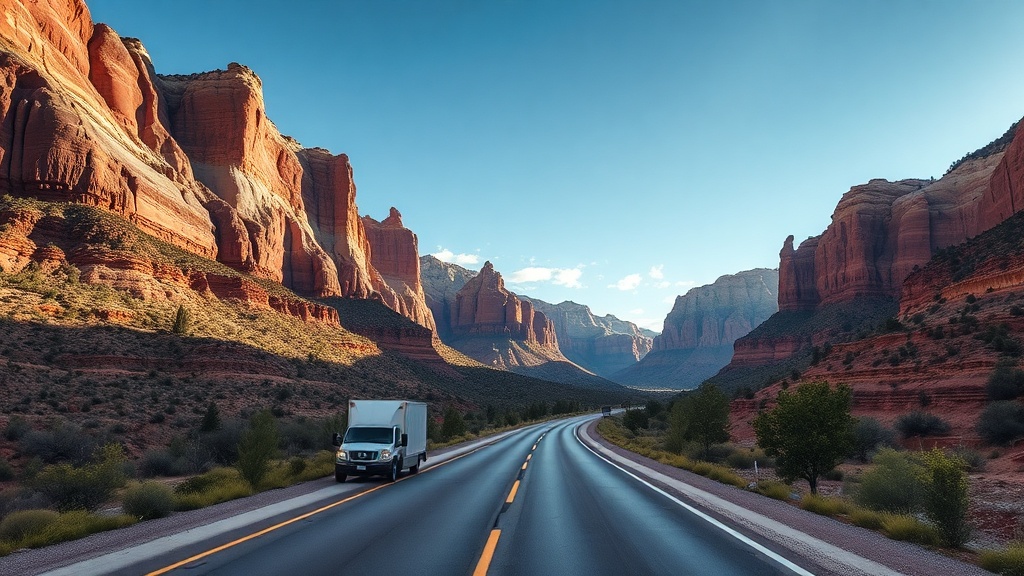
The Zion-Mt. Carmel Highway, a scenic route that traverses the park, is known for its breathtaking views and historic tunnels. However, the increasing size of vehicles traversing this narrow road has led to safety hazards and traffic congestion, prompting park officials to take action. "We want to ensure that everyone can safely enjoy the beauty of Zion while also protecting the park's unique natural resources," said Zion National Park Superintendent, Kory K. Johnson. "This change is a proactive step toward that goal."
As part of the new regulations, vehicles exceeding a certain length—specifically, those over 20 feet—will be prohibited from using the highway. This restriction particularly targets large recreational vehicles and buses, which have become increasingly popular among visitors seeking to explore the park's stunning vistas. The decision to enforce these limits has not been taken lightly; park officials have conducted extensive research and community engagement to assess the potential impact of such restrictions.
In recent years, Zion National Park has reported unprecedented visitation rates, with over 4.5 million people recorded in 2022 alone. This influx has led to challenges related to traffic congestion, parking shortages, and potential environmental degradation. The Zion-Mt. Carmel Highway, which serves as a critical access point to several key attractions, has seen a marked increase in large vehicles, exacerbating these issues. "We are at a tipping point where we need to prioritize safety and sustainability over convenience," Johnson added.
The park has also been proactive in seeking public input regarding the new restrictions. In a series of community forums held over the past year, visitors, local residents, and stakeholders expressed their concerns and suggestions about traffic management and visitor safety. Many participants voiced support for the initiative, recognizing that the park's popularity comes with responsibilities to protect its fragile ecosystems.
Environmentalists have long warned that large vehicles can be detrimental to the park's flora and fauna. The vibrations and noise generated by these vehicles can disturb wildlife, while the potential for accidents increases as traffic volumes surge. Furthermore, larger vehicles often require more space for maneuvering, putting additional strain on the park's infrastructure. The new regulations aim to mitigate these risks and create a more harmonious environment for both visitors and wildlife.
In addition to the vehicle restrictions, Zion National Park is also investing in alternative transportation options to enhance visitor access. Plans are underway to expand shuttle services within the park, providing a more sustainable mode of transport for those looking to explore its many trails and viewpoints. This initiative aligns with broader efforts to reduce carbon footprints and promote eco-friendly tourism practices throughout national parks across the United States.
While some visitors may find the restrictions inconvenient, park officials emphasize that the long-term benefits will outweigh the short-term challenges. By limiting the number of large vehicles on the highway, they hope to create a safer and more enjoyable experience for everyone. The park's management team is also developing educational materials to inform visitors about the changes well in advance of their implementation.
Looking ahead, Zion National Park is poised to maintain its status as a premier destination for nature enthusiasts while balancing the needs of its diverse user base. The upcoming vehicle restrictions are just one part of a larger strategy to ensure that the park remains accessible and enjoyable for generations to come. As the summer of 2026 approaches, park officials are preparing for a transition that they believe will ultimately enhance the visitor experience and protect Zion's stunning landscapes for future visitors.
In conclusion, the forthcoming implementation of large vehicle restrictions on the Zion-Mt. Carmel Highway represents a significant step toward sustainable management of one of America's most beloved national parks. As visitor numbers continue to rise, these regulations will serve to protect both the park's natural beauty and the safety of all who come to experience it, ensuring that Zion remains a cherished destination for years to come.