Great Salt Lake Records Third-Lowest Water Levels in 2025 Amid Ongoing Conservation Efforts
The Great Salt Lake has recorded its third-lowest water levels in history in 2025, raising concerns for ecosystems and public health.
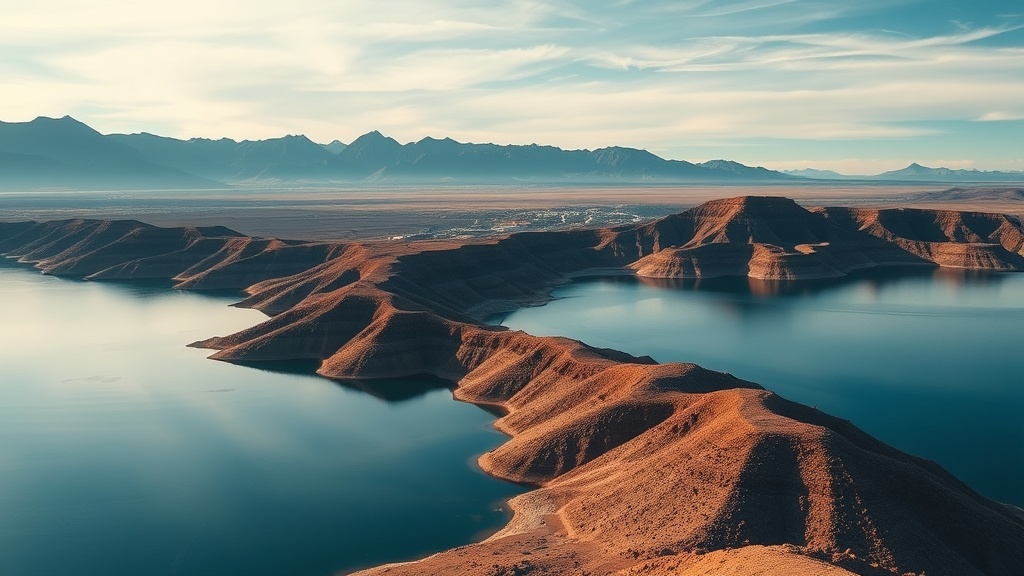
As the 2025 water year comes to a close, the Great Salt Lake has recorded its third-lowest water levels in history, raising alarms among environmentalists, scientists, and local residents. The lake's water levels have become a critical issue in Utah, affecting not just the local ecosystem but also public health, agriculture, and the economy. This year's measurements, which show the lake at dangerously low levels, underscore the ongoing drought conditions and the pressing need for comprehensive water management strategies in the region.
Historically, the Great Salt Lake has fluctuated in size, but recent years have seen unprecedented declines. According to data from the Utah Division of Water Resources, the lake's average elevation has now dipped to around 4,190 feet above sea level, marking a significant drop from its historical averages. The last time the lake reached a similar low was in 2021, and experts indicate that without immediate intervention, the situation could worsen even further.
Local scientists and environmentalists are sounding the alarm about the implications of the lake's declining water levels. The Great Salt Lake is not just a large body of water; it serves as a crucial habitat for millions of migratory birds and other wildlife. As the water shrinks, habitat loss becomes inevitable, threatening various species that rely on the lake for survival. Dr. Jennifer Brown, a biologist at the Utah Division of Wildlife Resources, stated, "The Great Salt Lake is an ecological treasure. Its decline endangers the birds that depend on it during their migrations, and it disrupts the entire ecosystem."
In addition to ecological concerns, the declining water levels have also raised questions about air quality. As the lake recedes, the exposed lakebed can contribute to increased dust storms, which pose health risks to local communities. According to research from the University of Utah, airborne dust from the exposed lakebed can carry harmful pollutants and allergens, leading to respiratory issues among residents. The study notes that the incidence of asthma and other respiratory conditions has increased in areas near the lake, underscoring the urgent need for action.
Efforts to raise water levels at the Great Salt Lake have gained momentum in recent months. Various stakeholders, including state agencies, non-profit organizations, and local communities, have begun collaborating on water conservation initiatives. One such effort is the “Save the Great Salt Lake” campaign, which seeks to educate the public about the importance of the lake and promote sustainable water usage practices. Sarah Johnson, an advocate for the campaign, remarked, "We need to come together as a community to understand the significance of the Great Salt Lake. Every drop of water counts, and our actions today will determine the future of this vital resource."
Additionally, the state has implemented several policy changes aimed at improving water management. In 2022, Utah's legislature passed a bill mandating the reduction of water usage in agricultural practices, which account for a significant portion of the state’s water consumption. Farmers are being encouraged to adopt more efficient irrigation techniques and consider crops that require less water. This legislative action is seen as a critical step toward addressing the water crisis in the region and safeguarding the future of the Great Salt Lake.
Despite these efforts, experts warn that the path to recovery will not be easy. The ongoing drought conditions, exacerbated by climate change, pose a significant challenge. Utah has been experiencing drier-than-average conditions for several years, raising alarms about the sustainability of water resources in the region. Climate models predict that the state may continue to face water shortages, making it imperative for Utahns to rethink their approach to water use and conservation.
Looking ahead, the situation at the Great Salt Lake serves as a stark reminder of the interconnectedness of water resources, ecosystems, and human health. With the 2025 water year ending on a low note, stakeholders are calling for immediate action to reverse the trends and restore the lake to sustainable levels. The commitment to conservation and innovative water management will be critical in the coming years, as the Great Salt Lake stands as both a challenge and an opportunity for the state of Utah.
In conclusion, the record low levels of the Great Salt Lake in 2025 highlight a pressing environmental crisis that demands urgent attention. The collaboration of local communities, state agencies, and conservation organizations will be essential in addressing this issue. As Utah continues to grapple with water scarcity, the fate of the Great Salt Lake will serve as a litmus test for the state’s commitment to sustainable water management and environmental stewardship.