Zion National Park to Enforce Vehicle Restrictions This Summer for Safety and Sustainability
Zion National Park will restrict vehicle sizes this summer to enhance safety and reduce congestion on its popular roads.
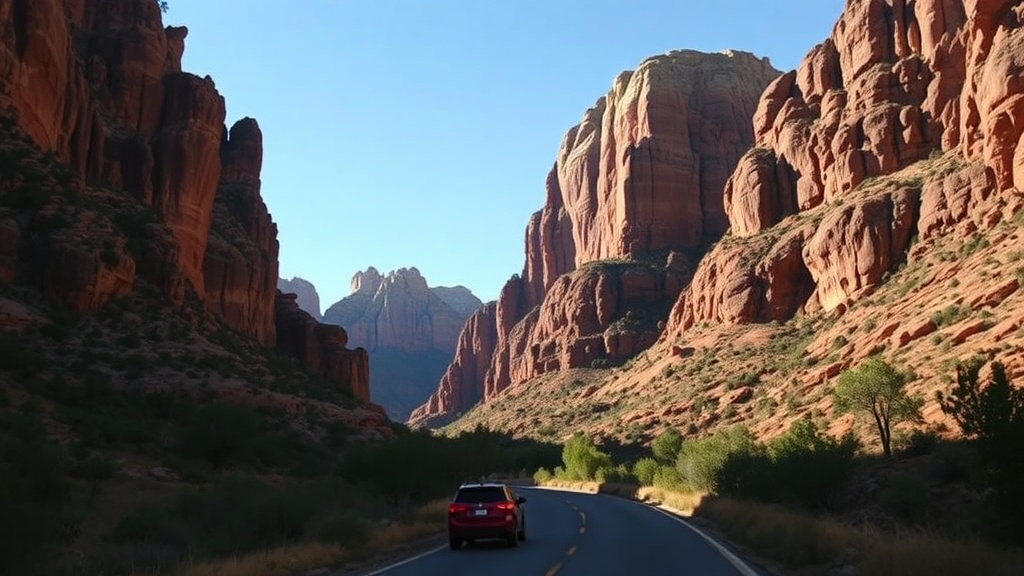
St. George — Zion National Park, a crown jewel of Utah’s natural landscape, is set to implement new vehicle restrictions this summer, aimed at alleviating congestion and enhancing visitor safety along its most popular routes. The park, known for its stunning red rock formations and diverse ecosystems, has experienced a significant rise in visitors, leading to long traffic delays and safety concerns, particularly on the Zion-Mount Carmel Highway, which connects the park’s east and southwest sides.
As the park gears up for the summer season, officials are introducing a limit on the size of vehicles permitted to traverse this scenic highway. Starting June 1 and running through the end of September, only vehicles that are 20 feet or less in length will be allowed on this key thoroughfare. This decision comes in response to the increase in traffic that has strained the park's infrastructure and posed risks to both visitors and wildlife.
"We're seeing record numbers of visitors each year, and with that comes the challenge of managing traffic effectively," said Zion National Park Superintendent Jeff Bradybaugh. "The restrictions on larger vehicles are designed to facilitate a safer and more enjoyable experience for everyone. We want our visitors to appreciate the beauty of Zion without the stress of congestion."
The Zion-Mount Carmel Highway, a road that winds through the park’s breathtaking landscapes, has become a bottleneck during peak tourist seasons. On busy days, vehicles can come to a standstill, with some visitors reporting waits of over an hour just to pass through. Larger vehicles, including RVs and trailers, have often struggled to navigate the narrow, winding road, leading to safety hazards and increased wear on park facilities.
In recent years, Zion has seen a surge in visitors, with numbers exceeding 4.5 million in 2022 alone, a significant increase from previous years. The park's popularity can be attributed to its breathtaking vistas, numerous hiking trails, and unique geological formations. However, this influx of tourists has raised concerns among park officials about potential environmental degradation, traffic safety, and the overall visitor experience.
To address these challenges, the vehicle restrictions are part of a broader strategy to promote sustainable tourism within the park. By limiting the size of vehicles, park officials hope to reduce traffic congestion, minimize environmental impact, and ensure a safer environment for both wildlife and visitors.
In addition to the vehicle size restrictions, the park is also encouraging visitors to utilize shuttle services whenever possible. The Zion Shuttle, which operates from early spring through late fall, provides an efficient way for guests to explore the park without the hassle of driving. The shuttle allows for easy access to popular trailheads and scenic viewpoints, significantly reducing the number of personal vehicles on the road.
Local businesses in nearby towns like Springdale are optimistic about the new measures. Many believe that the restrictions will enhance the visitor experience and ultimately drive more business to the area. "A smoother flow of traffic and fewer large vehicles means visitors will be able to enjoy the park without the stress of overcrowding," said Kelly McCarty, owner of a local outdoor gear shop. "With more people likely to use the shuttle, it could mean more foot traffic in our stores and restaurants."
Despite the positive outlook from local businesses, some visitors have expressed concern about the new regulations. Many RV owners and families traveling with larger vehicles fear that they will be unable to access certain areas of the park. Park officials are addressing these concerns by providing alternative routes and information on accessible campsites and parking areas. "We want to ensure that everyone has the opportunity to enjoy the park, regardless of the type of vehicle they have," Bradybaugh added.
As summer approaches, Zion National Park is bracing for another busy season. With new vehicle restrictions in place, officials are hopeful that the measures will lead to a safer, more enjoyable experience for all visitors. The park's commitment to sustainability and preservation remains a top priority as it continues to welcome millions to its stunning landscapes.
In conclusion, the implementation of vehicle restrictions on the Zion-Mount Carmel Highway represents a proactive approach by park officials to manage the growing number of visitors while prioritizing safety and environmental stewardship. As Zion continues to attract nature lovers from around the world, the hope is that these measures will enhance the park experience and preserve its breathtaking beauty for future generations.