Wyoming Supreme Court Upholds Abortion Rights, Strikes Down Landmark Pill Ban
The Wyoming Supreme Court has upheld abortion rights, striking down restrictive laws including a historic ban on abortion pills.
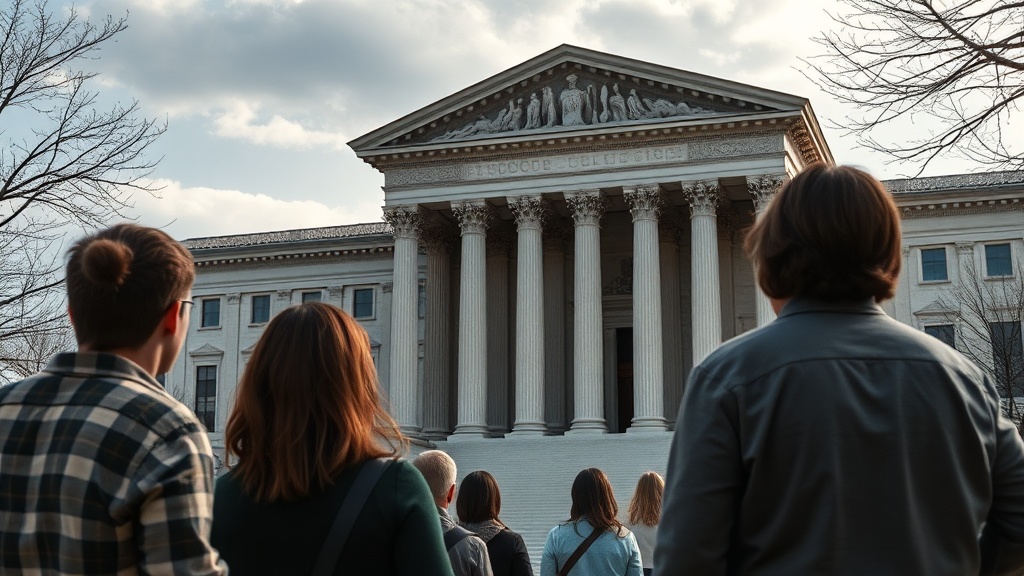
In a significant legal decision, the Wyoming Supreme Court ruled on Tuesday that abortion will continue to be legal in the state, striking down several restrictive laws, including a groundbreaking ban on abortion pills. This ruling comes in the wake of the U.S. Supreme Court's controversial decision to overturn Roe v. Wade in 2022, which had previously guaranteed federal protections for abortion rights.
The case was brought before the court by Wellspring Health Access, the only abortion clinic in Wyoming, alongside advocacy group Chelsea’s Fund and four women, including two practicing obstetricians. They argued that the laws passed by the Wyoming Legislature since the overturning of Roe v. Wade violated the state constitution. Specifically, they cited a constitutional amendment that protects the rights of competent adults to make informed decisions regarding their health care.
The laws in question included a measure that would have severely restricted access to abortion, allowing it only in cases where a pregnant woman's life was in danger, or in instances of rape or incest. Additionally, the now-defunct pill ban would have made Wyoming the first state in the U.S. to explicitly outlaw medication abortions, often referred to as abortion pills. While other states have imposed de facto bans on medication abortion through broader restrictions, Wyoming's legislation represented a unique and direct challenge to reproductive rights.
In a contrasting argument, attorneys representing the state contended that abortion should not be classified as health care under the Wyoming constitution. This line of reasoning was met with skepticism by the justices, who ultimately sided with the plaintiffs, asserting that the laws in question infringed upon established constitutional rights.
This ruling is not the first setback for anti-abortion legislation in Wyoming. In November 2022, Teton County District Judge Melissa Owens had already issued a ruling blocking the enforcement of these restrictive laws while the lawsuit was ongoing. Judge Owens found the laws unconstitutional, and her decision has effectively kept abortion legal in Wyoming throughout the subsequent legal battles.
The implications of the Wyoming Supreme Court's ruling extend beyond state borders, potentially influencing similar legal challenges in other conservative states. As abortion rights advocates celebrate this victory, they remain aware that the landscape for reproductive rights in the U.S. is still precarious. Many states continue to navigate the aftermath of the Supreme Court's decision, leading to a patchwork of laws that vary significantly from one state to another.
The ruling has been met with praise from various advocacy groups. Chelsea’s Fund released a statement expressing relief and gratitude for the court's decision, highlighting the importance of maintaining access to safe and legal abortion services in Wyoming. "This ruling reinforces our belief that individuals should have the right to make their own health care decisions without undue interference from the government," the statement read.
However, the legal battle surrounding abortion is far from over. Anti-abortion advocates in Wyoming have expressed their intention to continue fighting for stricter regulations, indicating that future challenges to abortion rights are likely. The state Legislature, which has previously shown strong support for anti-abortion measures, may also revisit the issue in upcoming sessions.
As the nation watches Wyoming's evolving legal landscape regarding reproductive rights, the recent Supreme Court decision serves as a reminder of the ongoing debates surrounding personal autonomy, health care access, and legislative authority. With the court's ruling, Wyoming has reaffirmed its commitment to upholding the rights of individuals to make their own healthcare choices, at least for now.
In conclusion, the Wyoming Supreme Court's decision marks a pivotal moment for reproductive rights in the state, ensuring that abortion remains legal despite recent legislative attempts to restrict access. The ruling not only protects the rights of women in Wyoming but also sets a precedent that may resonate in other states grappling with similar issues. As advocates on both sides of the debate prepare for future battles, the conversation surrounding abortion rights in America continues to evolve, shaping the legal and social landscape for generations to come.