Senate Passes War Powers Resolution Against Trump’s Venezuela Actions
In a rare bipartisan move, the Senate advances a resolution limiting Trump's military actions in Venezuela without congressional approval.
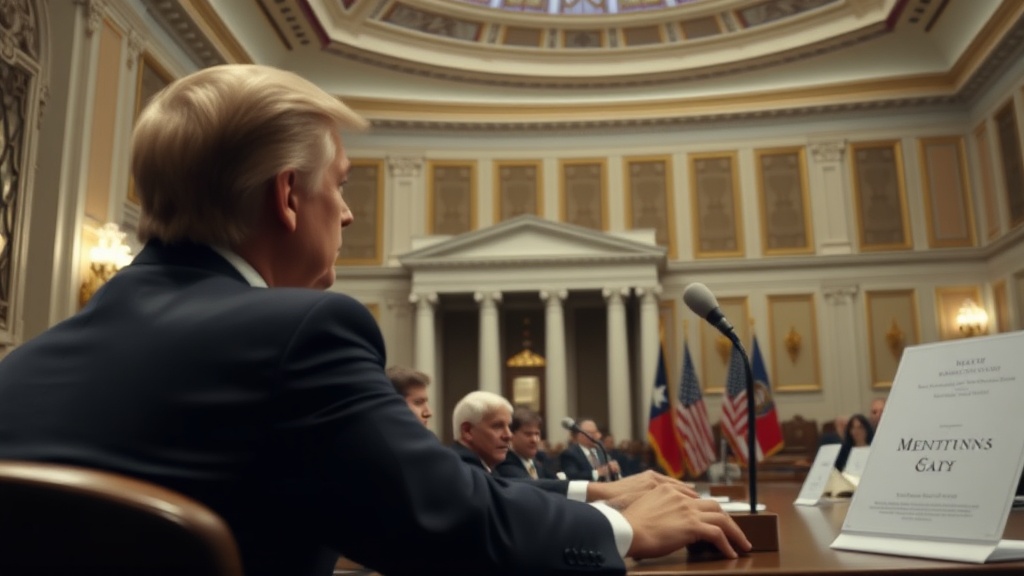
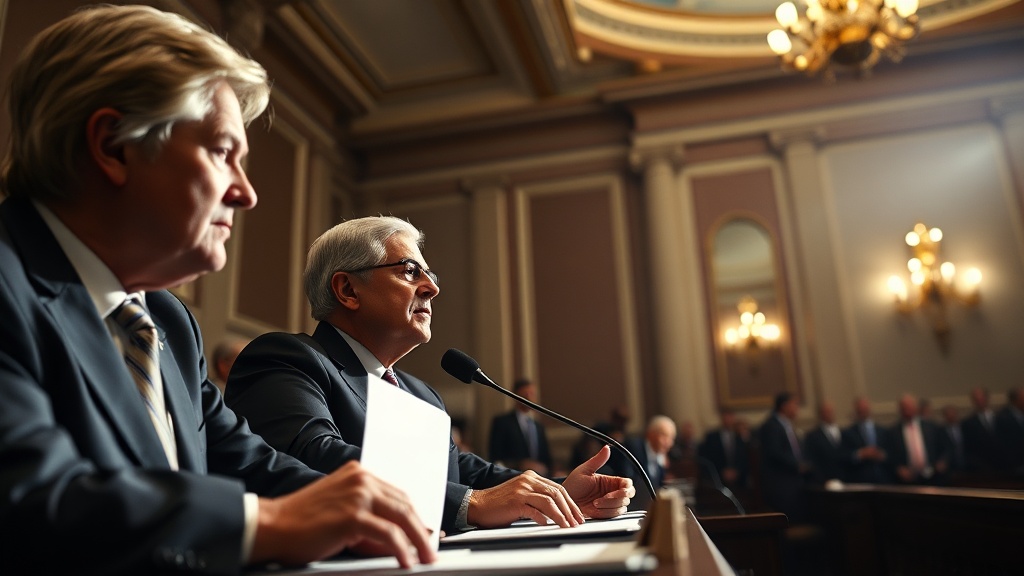
In a rare and significant legislative move, the U.S. Senate advanced a war powers resolution aimed at curbing President Donald Trump’s military actions in Venezuela without seeking congressional approval. This unprecedented step, which saw unusual bipartisan support, reflects growing concerns among lawmakers about the administration's unilateral military interventions abroad. The resolution passed with a vote of 52-47, with notable Republican and Democratic senators breaking ranks with their party lines.
The joint resolution, co-sponsored by Republican Senator Rand Paul of Kentucky and Democratic Senator Tim Kaine of Virginia, seeks to direct the removal of U.S. Armed Forces from hostilities directed against Venezuela that lack congressional authorization. This measure comes at a time of heightened tensions and military actions in the region, particularly following a surprise U.S. special forces operation in Caracas that resulted in the capture of Venezuelan President Nicolás Maduro and his wife, Cilia Flores, who now face federal drug and conspiracy charges.
Republican Senators Todd Young of Indiana, Josh Hawley of Missouri, Susan Collins of Maine, and Lisa Murkowski of Alaska stood alongside their Democratic colleagues in support of the measure, signaling a rare moment of dissent within the Republican party regarding President Trump’s foreign policy decisions. The support from both sides of the aisle illustrates a growing bipartisan consensus that Congress should reclaim its constitutional role in authorizing military force, especially given the recent escalation in Venezuela.
Senator John Fetterman, a Democrat from Pennsylvania, also unexpectedly cast his vote in favor of the resolution. The procedural vote was necessitated by Kaine, who invoked the War Powers Resolution, a statute enacted during the Vietnam War that serves to limit the president’s ability to engage military forces without congressional consent. The resolution’s advancement represents a significant legislative check on the executive branch, particularly as military engagements can often escalate without proper oversight.
The backdrop to this legislative action is the recent U.S. military operations in Venezuela, which have raised alarms not only domestically but also internationally. On September 12, the U.S. initiated a bombing campaign off the Venezuelan coast, targeting small vessels alleged to be operated by “narco-terrorists.” Reports indicate that the strikes resulted in over 100 fatalities by December, raising ethical and humanitarian concerns about the military strategy employed by the Trump administration.
In light of these developments, Secretary of State Marco Rubio and Secretary of Defense Pete Hegseth provided a classified briefing to Congress on the ongoing military intervention in Venezuela. However, many Democrats expressed dissatisfaction with the information shared during these meetings, citing a lack of transparency and clarity regarding the administration's objectives and strategies in the region. This dissatisfaction further fueled the urgency behind the war powers resolution.
The resolution's advancement through the Senate is particularly noteworthy given the historical context of U.S. military involvement in Latin America, where past interventions have often led to prolonged conflicts and unintended consequences. Lawmakers are acutely aware of the potential repercussions of military actions and the importance of maintaining congressional oversight to prevent unauthorized military engagements that could spiral out of control.
As the legislation moves forward, it must still clear a final vote in the Senate before heading to the House of Representatives. If passed, it could serve as a pivotal moment in recalibrating the balance of power between Congress and the presidency concerning military action. The implications of this resolution extend beyond Venezuela, potentially setting a precedent for how future administrations engage in military actions without explicit congressional approval.
The advancement of this war powers resolution underscores a critical moment in U.S. politics, where bipartisan concerns regarding military engagement reflect broader anxieties over the executive branch's expanding authority. As the situation in Venezuela continues to evolve, lawmakers are poised to engage more actively in shaping U.S. foreign policy, particularly as they navigate the complexities of international relations and national security in an increasingly polarized political landscape.