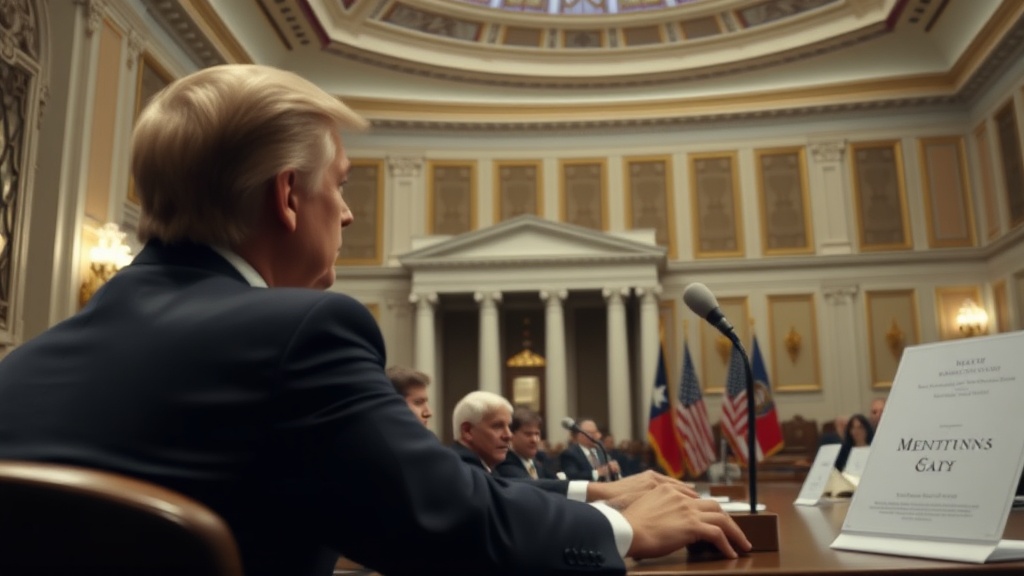
Maduro's Ouster: Implications for Global Politics and Russia's Influence
Venezuelan President Nicolás Maduro's abduction raises global concerns over geopolitical dynamics and Russia's influence in Latin America.
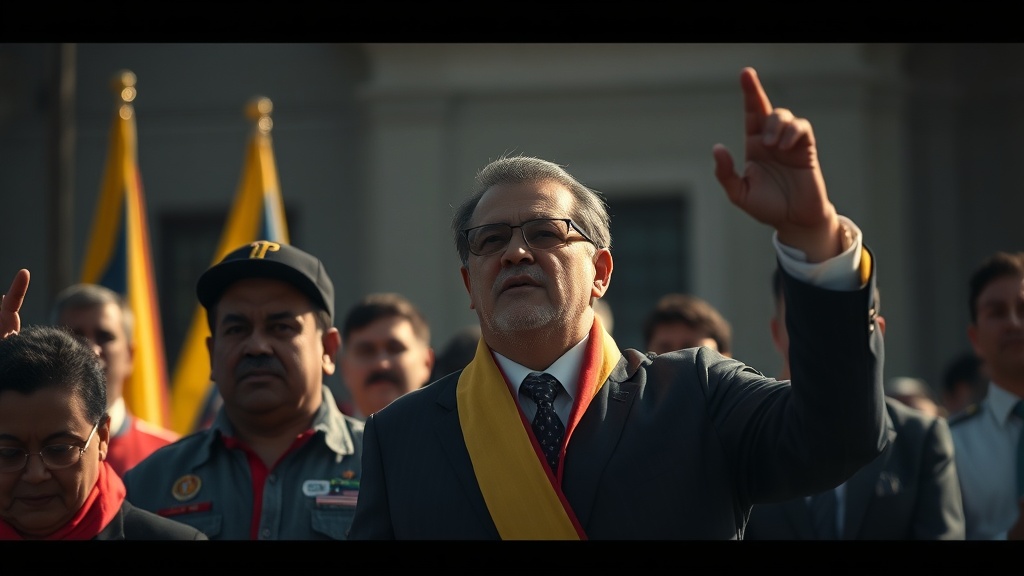
In a stunning turn of events, Venezuelan President Nicolás Maduro was reportedly abducted on Saturday, sending shockwaves through the international community. The implications of this incident extend far beyond Venezuela’s borders, raising critical questions about the future of global governance, human rights, and the geopolitical landscape, particularly concerning Russia's role as an ally of Venezuela. While initial reactions suggested that Maduro's abduction might weaken President Vladimir Putin's influence, a deeper analysis indicates that it could, in fact, bolster his strategic position in global affairs.
Nicolás Maduro has long been a controversial figure on the world stage, having maintained power through a series of elections marred by allegations of fraud and oppression. His regime has faced widespread criticism for human rights abuses, economic mismanagement, and a humanitarian crisis that has forced millions of Venezuelans to flee their homeland. Despite this, Maduro has retained support from Russia, which has provided political backing and economic aid, viewing Venezuela as a key ally in its efforts to counter Western influence in Latin America.
The circumstances surrounding Maduro's reported abduction were initially unclear, with various news outlets providing conflicting reports. Witnesses near the presidential palace recounted a chaotic scene, with armed men storming the building while Maduro was attending a meeting with his cabinet. As the news spread, analysts began to speculate about the motivations behind the abduction and the potential power vacuum it could create in Venezuela. Some experts suggested that this incident could lead to a surge in violence as factions within the country vie for control, while others warned of the risks of foreign intervention.
However, the broader implications of Maduro’s ouster may resonate even more deeply with global power dynamics. Russia’s investment in Venezuela has been substantial, both economically and militarily. The Russian government has supplied arms to the Maduro regime and invested heavily in the country’s oil sector, which is critical to its economy. Observers argue that if Maduro is removed from power, it could lead to a re-evaluation of Russia's strategy in Latin America, potentially allowing it to reposition itself in the wake of a shifting geopolitical landscape.
Furthermore, experts warn that a chaotic transition in Venezuela could enhance Putin's ability to expand his influence in the region. If a power struggle ensues, Russia may capitalize on the unrest by positioning itself as a stabilizing force, thereby increasing its leverage over any new government that emerges. This scenario poses a significant threat to the post-World War II order that emphasized democracy, human rights, and the rule of law, as countries grappling with instability may turn to authoritarian regimes for support.
Amidst the uncertainty, the United States and its allies face a complex challenge. Washington has long been a vocal critic of the Maduro regime, imposing sanctions and calling for democratic reforms. However, the U.S. has also been criticized for its heavy-handed approach, which some argue has exacerbated the humanitarian crisis and fueled anti-American sentiment in the region. The potential for a new government in Venezuela raises questions about how the U.S. will navigate its foreign policy, particularly if Moscow seeks to exploit the situation to strengthen its foothold in Latin America.
In the coming days, analysts will be closely monitoring the situation in Venezuela, particularly the responses from both the United States and Russia. The stakes are high, not just for the Venezuelan people but for the future of international relations. The abduction of Maduro represents a critical juncture that could either lead to a new era of democratic governance in Venezuela or further entrench authoritarianism, with Russia poised to benefit from any ensuing chaos.
As the world watches, one thing remains clear: the implications of this incident extend far beyond the borders of Venezuela, challenging the principles of law, justice, and human rights that have been the foundation of international relations since the mid-20th century. The outcome of this situation will likely shape the geopolitical landscape for years to come, influencing how countries interact and align themselves in an increasingly polarized world.