Utah Democrats Denounce Racist Attacks on Congressional Candidate Liban Mohamed
Utah Democrats condemn racist backlash against congressional candidate Liban Mohamed, highlighting issues of race and representation.
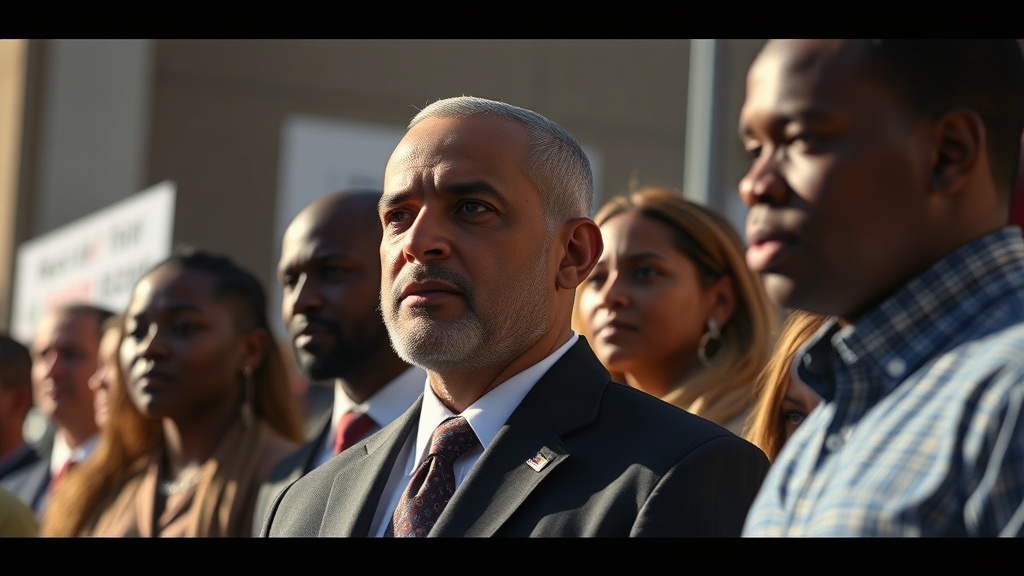
In a significant development in Utah's political landscape, state Democratic leaders are vocally condemning what they describe as racist responses to a campaign video released by Liban Mohamed, a newly announced candidate for Congress. Mohamed, who is seeking to represent Utah’s 4th Congressional District, has sparked both enthusiasm and backlash since his candidacy was announced. The controversy highlights ongoing issues related to race and representation in Utah politics.
Liban Mohamed, a Somali immigrant and former member of the Salt Lake City School Board, is running for the seat currently held by Republican Congressman Burgess Owens. His campaign is focused on issues such as healthcare, education, and immigration reform, aiming to resonate with the diverse communities within the district. In his recent campaign video, Mohamed shared his personal journey from refugee to public servant, emphasizing the values of unity and inclusivity that he believes are essential for Utah’s future.
However, the response to his video has not been universally positive. Shortly after its release, social media erupted with a flurry of comments that many have labeled as racist and xenophobic. Critics of Mohamed have taken to platforms like Twitter and Facebook, posting derogatory remarks and unfounded accusations that play on stereotypes and fear. Some commentators have suggested that his candidacy poses a threat to traditional Utah values, while others have attacked his qualifications based solely on his ethnicity and background.
In response to the hateful comments, prominent Utah Democrats, including state party chair Diane Lewis, have issued statements denouncing the racism embedded in the responses. Lewis emphasized, “Liban’s story is one of resilience and hope, and it’s disheartening to see that some individuals cannot look past the color of his skin. We must rise above division and embrace the diversity that makes our state strong.” This sentiment has been echoed by other Democratic leaders in the state, who see Mohamed’s candidacy as a critical step toward greater representation for marginalized communities in Utah.
The backlash against Mohamed's campaign video also prompted a broader discussion about the treatment of candidates of color in Utah, a state that has historically been dominated by white politicians. According to recent demographic data, Utah's population is becoming increasingly diverse, with significant growth among Hispanic, Black, and Asian communities. Yet, political representation has not kept pace, leading to calls for more inclusive policies and practices.
Political analysts suggest that the reaction to Mohamed's candidacy reflects a larger national trend where candidates from diverse backgrounds face heightened scrutiny and prejudice. Dr. Sarah Hinds, a political science professor at the University of Utah, stated, “The hostility directed at candidates like Liban Mohamed is not just a local issue; it's part of a broader narrative about race and politics in America. As more people of color enter the political arena, we can expect to see both resistance and support, but the key is how those communities mobilize in response.”
In addition to the negative comments, Mohamed has received an outpouring of support from various groups, including civil rights organizations and local activist networks. Many activists argue that his candidacy represents a crucial opportunity for Utah to reflect its changing demographics. One such supporter, Ali Abdi, a community leader in Salt Lake City, noted, “Liban’s campaign gives hope to many of us who have felt invisible in Utah politics. It’s essential that we rally behind him and show that hate has no place in our state.”
As the campaign continues to unfold, Mohamed remains focused on his goals, working to engage voters and amplify the voices of those who have been historically marginalized. His message of unity and collaboration is intended to bridge divides and foster a more inclusive political environment in Utah. Despite the challenges he faces, Mohamed is determined to rise above the negativity and make his case to the electorate.
The implications of this situation extend beyond Mohamed's campaign. The reactions to his candidacy could have lasting effects on how future candidates from diverse backgrounds are perceived and treated in Utah. As the state continues to grow and evolve, the political landscape may need to adapt to better reflect the diversity of its constituents.
As Liban Mohamed prepares for the upcoming election, he is likely to encounter both challenges and opportunities that will test his resolve and the strength of his support base. The responses he has garnered thus far serve as a stark reminder of the work that remains to be done in addressing issues of race and representation in Utah politics. Moving forward, the state will need to grapple with these complex dynamics as it navigates an increasingly diverse political future.