Witness the Majestic Bald Eagles Migrating to Utah This Winter
Bald eagles are migrating to Utah this winter; learn where to see them and how to enjoy this majestic experience responsibly.
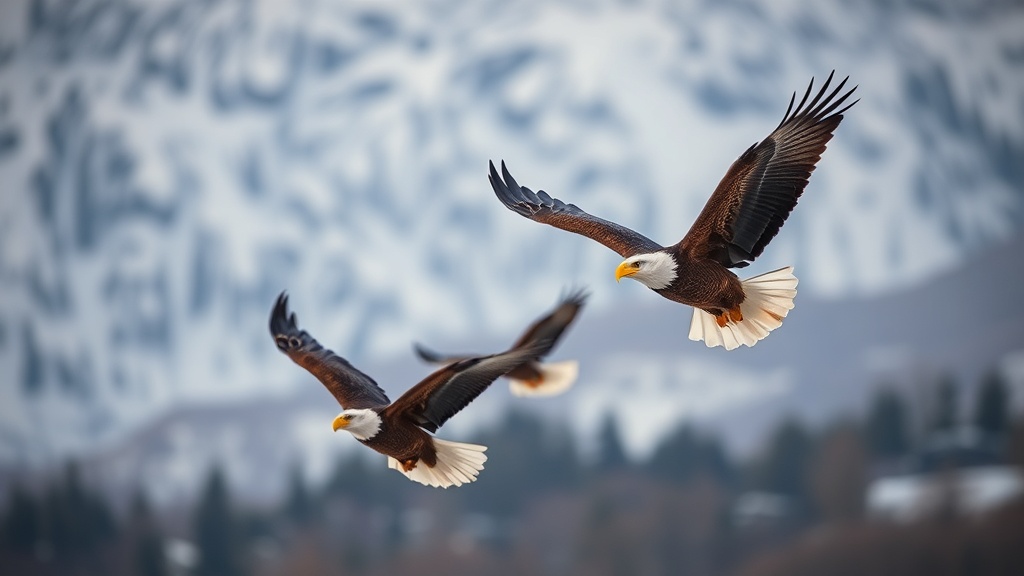
As winter settles in, Utah becomes a temporary home to hundreds of bald eagles, America’s national bird. From late January into February, wildlife enthusiasts and nature lovers have the unique opportunity to witness these magnificent birds as they migrate south in search of food and milder climates. The sight of bald eagles soaring through the skies or perched majestically on trees along the water's edge is one that many residents and visitors cherish.
The migration of bald eagles to Utah is primarily driven by their need for food. As temperatures drop in their northern habitats, many eagles leave Canada and the northern United States to find more favorable conditions. Utah, with its diverse ecosystems and abundant food sources, becomes a haven for these raptors. The state's rivers, lakes, and wetlands provide ample opportunities for eagles to hunt for fish, their primary food source during winter months.
One of the best places to observe bald eagles in Utah is at the Bear River Migratory Bird Refuge located in northern Utah. The refuge spans over 74,000 acres and is home to an array of wildlife, including thousands of migratory birds. During the winter months, visitors can often see bald eagles hunting for waterfowl or scavenging on the remains of other animals.
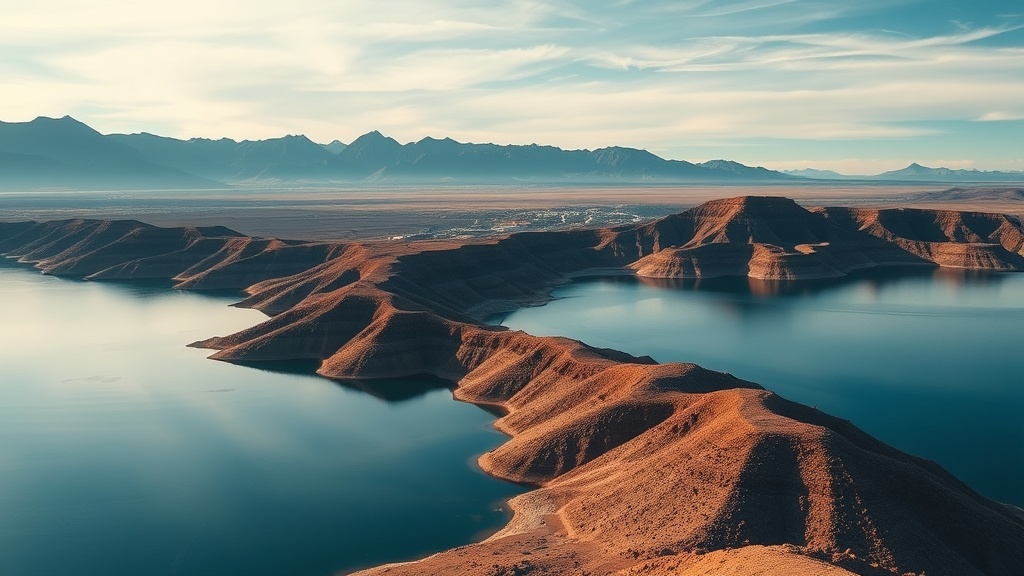
Another prime location for eagle watching is the Great Salt Lake, particularly around the Antelope Island area. The island's unique geography and rich ecosystem attract not only eagles but also a variety of other bird species. The vast open spaces provide excellent vantage points for spotting eagles as they glide across the landscape. Local birdwatching groups often organize guided tours during this time, helping enthusiasts maximize their chances of seeing these incredible creatures.
The Utah Division of Wildlife Resources (DWR) encourages the public to take part in eagle watching but also emphasizes the importance of responsible wildlife observation. "It’s crucial for people to respect the habitat and the animals, especially during the winter months when they are vulnerable," said DWR wildlife biologist, Mark Hadley. He encourages visitors to maintain a safe distance from the eagles and to avoid disturbing their natural behaviors.
For those interested in learning more about bald eagles, the DWR offers educational programs and resources. One such program is the annual Bald Eagle Day, which typically takes place in early February at the Bear River Migratory Bird Refuge. This event includes educational talks, guided tours, and opportunities for attendees to observe eagles in their natural habitat.
In addition to the Bear River Refuge and Great Salt Lake, other notable locations for eagle viewing include Fish Springs National Wildlife Refuge and the marshes of the Utah Lake State Park. These areas provide suitable habitats for eagles and are frequented by birdwatchers throughout the winter months.
The presence of bald eagles in Utah is not just an exciting spectacle; it also serves as an indicator of the health of the environment. The successful recovery of bald eagle populations across the United States is a testament to conservation efforts and the importance of protecting natural habitats. Once on the brink of extinction due to habitat loss and the effects of pesticides, the eagle population has rebounded, leading to their delisting from the Endangered Species Act in 2007.
As the winter months progress, the chance to see bald eagles in Utah diminishes, making late January through February a critical time for enthusiasts to plan their visits. Whether you are an avid birdwatcher or simply looking for a unique winter outing, witnessing these majestic birds in flight is an experience that resonates deeply with many.
As the sun sets over the Utah landscape, casting a golden glow on the water, the silhouette of a bald eagle soaring overhead is a reminder of the beauty and resilience of wildlife. Take the opportunity to connect with nature, learn about these incredible birds, and enjoy the serene landscapes that Utah has to offer during this season of migration.
In conclusion, the arrival of bald eagles in Utah during the winter months provides a spectacular opportunity for residents and visitors alike. With various locations to observe these birds and resources available for education and responsible viewing, the experience of watching bald eagles is one that should not be missed this winter season.