Washington County Defies Court Ruling on Utah's Congressional District Map
Washington County defies Utah's court-approved congressional map, raising significant political and legal questions.

Washington County, located in the southwestern corner of Utah, has made headlines recently for its decision to reject the newly court-approved congressional district map for the state. This decision comes in the wake of a ruling by the Utah Supreme Court, which mandated a new map to be drawn following concerns of gerrymandering that had plagued the previous districts. The refusal of Washington County to officially adopt this map raises questions about local governance, judicial authority, and the potential implications for future elections.
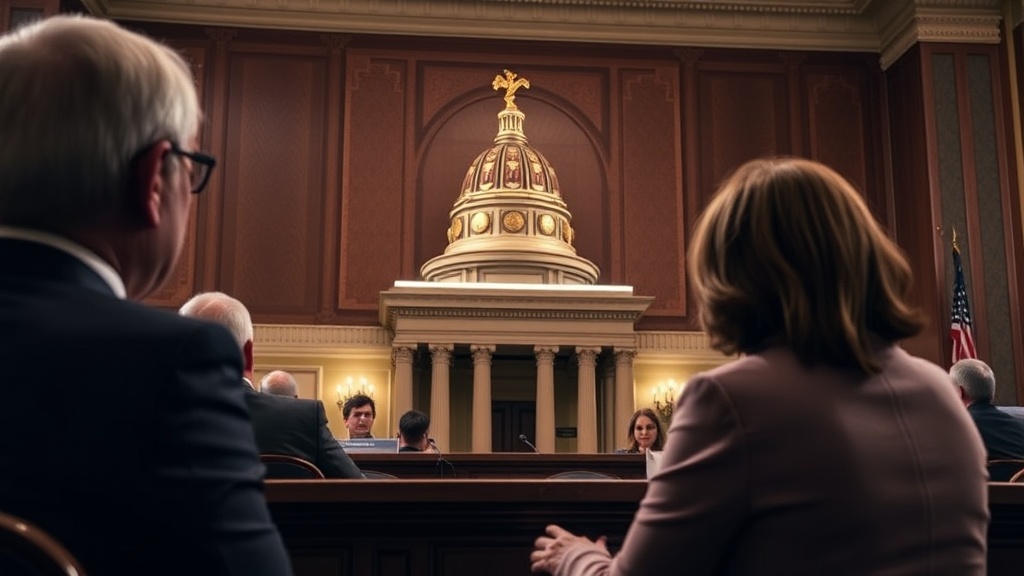
The Utah Supreme Court's decision was rendered after a thorough review of the previous congressional district boundaries, which had been criticized for favoring certain political parties disproportionately. In response to these concerns, the court instructed the state legislature to redraw the map, aiming to create fairer representation for Utah residents. However, the newly proposed map, while approved by the court, has faced opposition from local officials in Washington County.
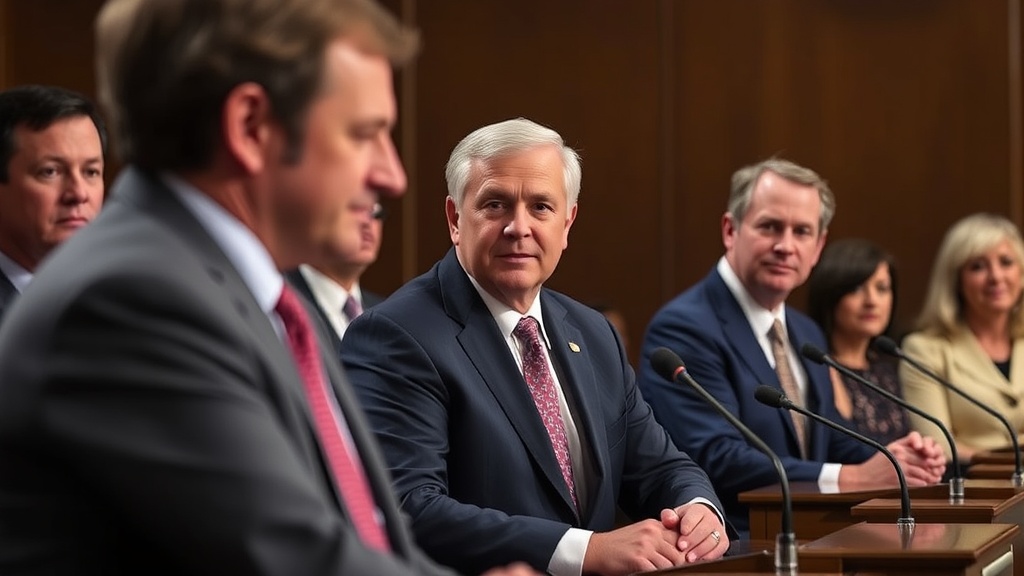
During a recent county commission meeting, Washington County Commission Chair, who has been vocal about his concerns regarding the new map, stated, "We believe that the new map does not adequately represent the interests of our constituents. It splits communities and does not reflect the demographics of our county. We’d like to be out of compliance with this ruling to better serve our residents." This sentiment was echoed by several other commission members, who expressed their desire to maintain the integrity of their local governance, even if it means defying a higher court's ruling.
The proposed congressional map divides Washington County into multiple districts, which some officials argue undermines the unity and shared interests of the communities within the county. Residents have voiced their concerns in public forums, arguing that the fragmentation could dilute their voting power and misrepresent their collective needs in Congress. As a growing area with a rapidly increasing population, many in Washington County feel that the proposed map does not take into account the unique characteristics of their region.
In response to the county's defiance, the Utah Attorney General's Office has indicated that it is currently reviewing the situation and considering legal options to ensure compliance with the Supreme Court’s ruling. A spokesperson from the Attorney General's Office stated, "The court's decision is final and must be adhered to. We are working to address any non-compliance issues that arise from this situation to uphold the rule of law in Utah."
This standoff in Washington County is indicative of a broader tension that exists in various parts of the country where local jurisdictions grapple with state and federal mandates. Political analysts suggest that the refusal to adopt the new map may set a precedent for other counties in Utah and beyond, potentially leading to a patchwork of compliance that could disrupt the electoral process. As the political landscape continues to evolve, the implications of Washington County's actions could reverberate through the state’s political landscape, influencing voter turnout and election outcomes.
Moreover, this situation brings to light the ongoing debates surrounding gerrymandering and electoral districting, issues that have gained national attention in recent years. Advocacy groups focused on electoral reform have been closely monitoring developments in Utah, as they seek to promote fair representation and challenge gerrymandering practices across the nation. Their efforts underscore the critical importance of ensuring electoral integrity and the need for transparency in how districts are drawn.
As Washington County stands firm in its rejection of the new congressional map, the unfolding scenario will likely attract further scrutiny from both state officials and the public. The actions taken by the county commission could precipitate a legal showdown that may ultimately determine the future of congressional representation in Utah.
In conclusion, Washington County's refusal to adopt the court-approved congressional district map exposes the complexities of local governance in relation to state rulings. The situation highlights the contentious nature of electoral districting and the ongoing struggle for fair representation in the political arena. As the county navigates its next steps, the eyes of Utah and beyond will be watching closely to see how this unprecedented defiance unfolds and what it means for the future of democracy in the region.