Utah Legislature Sees 13 Lawmakers Opting Out of 2026 Reelection Bid
Thirteen Utah lawmakers will not seek reelection in 2026, reshaping the political landscape with many contested seats expected.
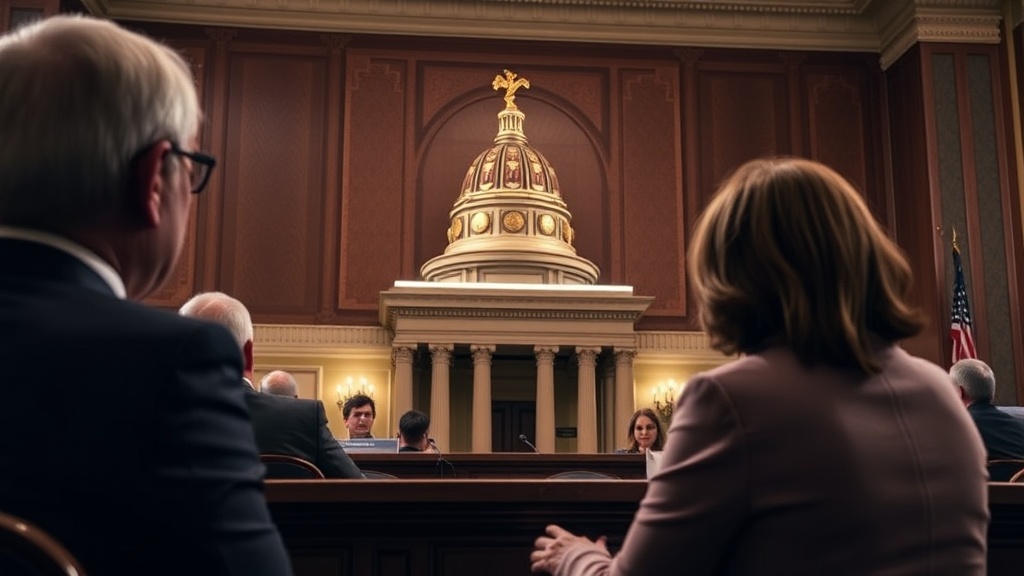
In a significant political shift within the Utah Legislature, 13 lawmakers have announced they will not seek reelection in 2026. This decision comes after a tumultuous year characterized by conflict, controversy, and intense political debates. The landscape of Utah politics is shifting, with many open seats expected to see competitive races as both seasoned politicians and fresh faces prepare to vie for positions in the state legislature.
The decision of these lawmakers to step away from the Capitol has raised eyebrows among political analysts and constituents alike. "This is a notable change and shows that even established politicians are feeling the pressure of the current political climate," remarked political analyst Sarah Jensen. Among those not seeking reelection are several prominent figures who have had significant influence on state policy, including members of both the House and Senate. Their departures could lead to a reshaping of party dynamics and legislative priorities in Utah.
The reasons behind the lawmakers' decisions vary. Some have cited personal considerations, including family commitments and career changes, while others have expressed frustration over the increasingly contentious atmosphere in the legislature. Lawmaker Tom Harris stated, "After years of service, it’s time for new leadership to emerge, and I believe the next generation can bring fresh perspectives to the table."
Compounding this situation is the fact that nearly every open seat created by these departures is expected to see a contest in the upcoming elections. This indicates a robust interest in political engagement among Utah residents. With multiple candidates already stepping forward to announce their intentions to run, the competitive nature of the races is likely to amplify as the election approaches. The Utah Republican Party, which currently holds a majority in the legislature, is expected to face intraparty challenges as well, as candidates seek to distinguish themselves from one another.
Among the potential contenders are individuals from various backgrounds, including local activists, business leaders, and former elected officials. This influx of candidates might lead to a diverse range of ideas and policies being brought to the forefront, potentially reshaping legislative priorities. Political strategist Mark Reynolds noted, "This could lead to a more dynamic political landscape in Utah, as new candidates bring fresh ideas and challenge the status quo."
The upcoming elections will not only be a test for the individual candidates but also for the parties involved. With the changes in representation, both the Democratic and Republican parties will need to strategize effectively to maintain or grow their influence in the state. Recent polling suggests that voter interest is high, which could affect turnout and the overall outcomes in each district.
In addition to the departure of these lawmakers, the legislative session of 2023 was marked by several high-profile issues that may have contributed to their decisions to step down. Controversial debates over education funding, healthcare access, and environmental regulations have dominated discussions, leading to significant public scrutiny and activism. This year saw protests and public forums where constituents voiced their frustrations and demands for change, creating a charged atmosphere that lawmakers may find challenging to navigate.
Furthermore, the changing demographics of Utah, with a growing population of young voters and an increasingly diverse electorate, are likely influencing the decisions of these lawmakers. As the state evolves, so do the expectations of its residents, who are increasingly looking for representation that aligns with their values and priorities. This shift may be prompting established lawmakers to consider their futures more seriously, especially in light of the heightened accountability they face from an engaged electorate.
As the 2026 elections approach, it will be crucial for both the outgoing lawmakers and the new candidates to communicate their visions effectively to the voters. The political landscape in Utah is poised for a transformation that could have lasting implications for governance in the state.
In conclusion, the announcement of 13 lawmakers not seeking reelection in 2026 highlights a pivotal moment for Utah politics. With numerous contested seats and an energized electorate, the upcoming elections promise to be highly competitive and could redefine the legislative priorities of the state for years to come. As candidates prepare to launch their campaigns, constituents will be watching closely to see how these dynamics unfold in the months leading up to the vote. The future of Utah’s legislative direction hangs in the balance, and the choices made in 2026 will shape the state’s political landscape for the foreseeable future.