Venezuela Transitions: U.S. Takes Charge After Maduro's Ouster
Nicolás Maduro has been ousted in a U.S.-led operation, marking a new chapter for Venezuela amid questions of sovereignty and stability.
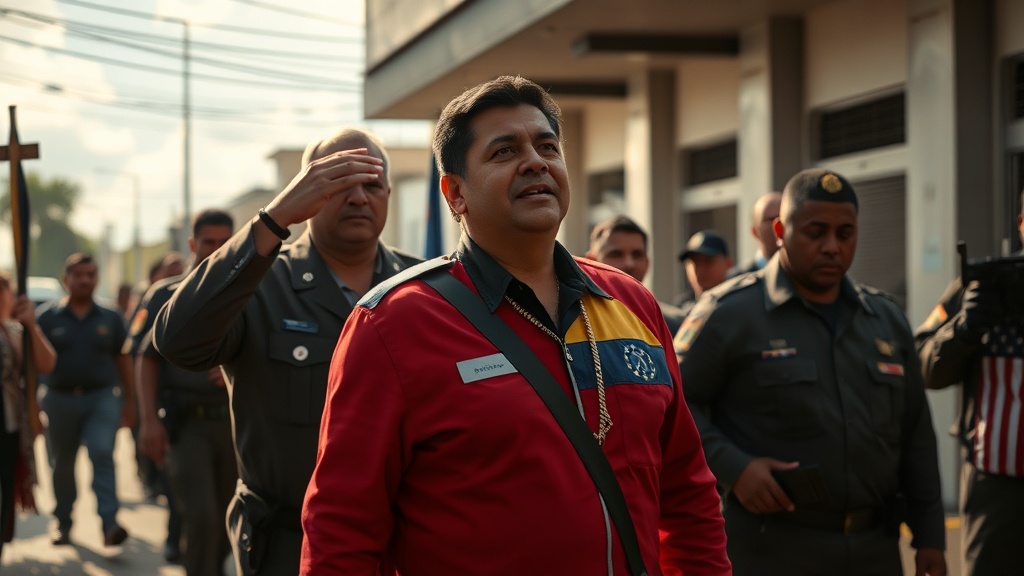
Caracas, Venezuela — In a dramatic turn of events early Saturday morning, Venezuelan President Nicolás Maduro has been ousted from power, marking a significant shift in the country's tumultuous political landscape. U.S. military forces captured Maduro at his residence and transported him out of the country, a move that has sent shockwaves throughout Venezuela and the international community. President Donald Trump announced that the United States will assume temporary control of Venezuela, a plan that has raised questions about the future of the nation and its sovereignty.
The operation that led to Maduro's capture was reportedly carried out under the auspices of a coordinated effort involving intelligence agencies and military resources from the United States. Eyewitnesses in Caracas reported seeing military vehicles and helicopters in the vicinity of the presidential palace during the early hours of the morning. The exact details of the operation remain classified, but sources within the U.S. government have confirmed that it was aimed at restoring democracy and stability in a country that has been plagued by economic collapse, social unrest, and political repression.
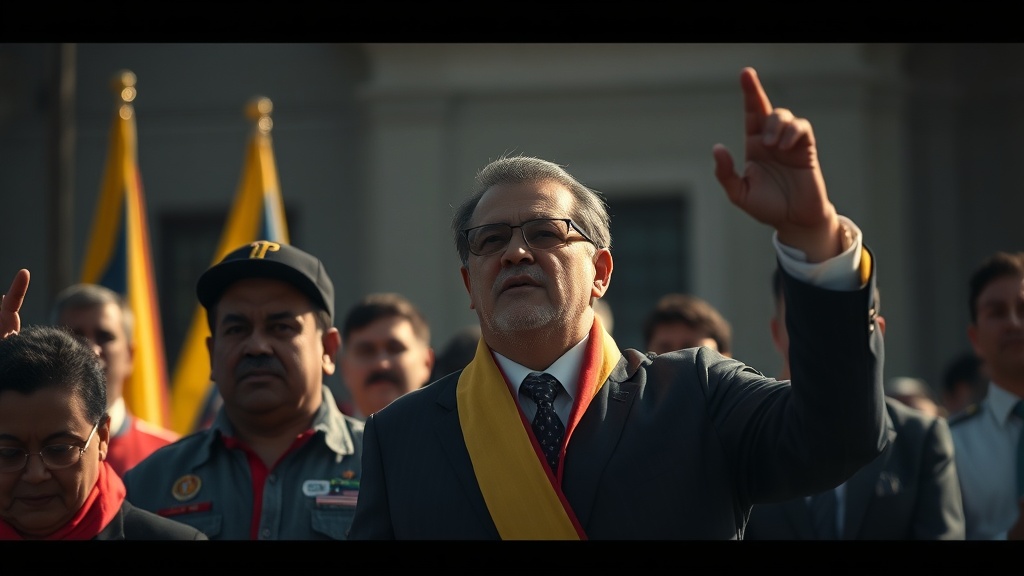
In the wake of Maduro's removal, the streets of Caracas saw a mix of jubilant celebrations and apprehensive protests. Supporters of the opposition took to the streets, waving flags and chanting slogans demanding freedom and democracy. "This is a new beginning for Venezuela! We have fought too long for this moment," said Juan Guaidó, the interim president recognized by several countries around the world. However, many citizens expressed concerns about U.S. intervention, fearing it could lead to further instability and loss of sovereignty.
Maduro's downfall comes after years of mounting pressure both domestically and internationally. His presidency, characterized by widespread corruption and nepotism, has faced numerous allegations of human rights violations. Under his leadership, Venezuela's economy has crumbled, leading to hyperinflation, food shortages, and mass emigration. According to the United Nations, over five million Venezuelans have fled the country in search of better living conditions.
The U.S. has long been critical of Maduro's regime, labeling it a dictatorial government. This sentiment gained traction after Maduro's controversial re-election in 2018, which many observers deemed fraudulent. The Trump administration, alongside several Latin American nations, had imposed strict sanctions on Venezuela, aimed at crippling Maduro’s government and supporting opposition leaders.
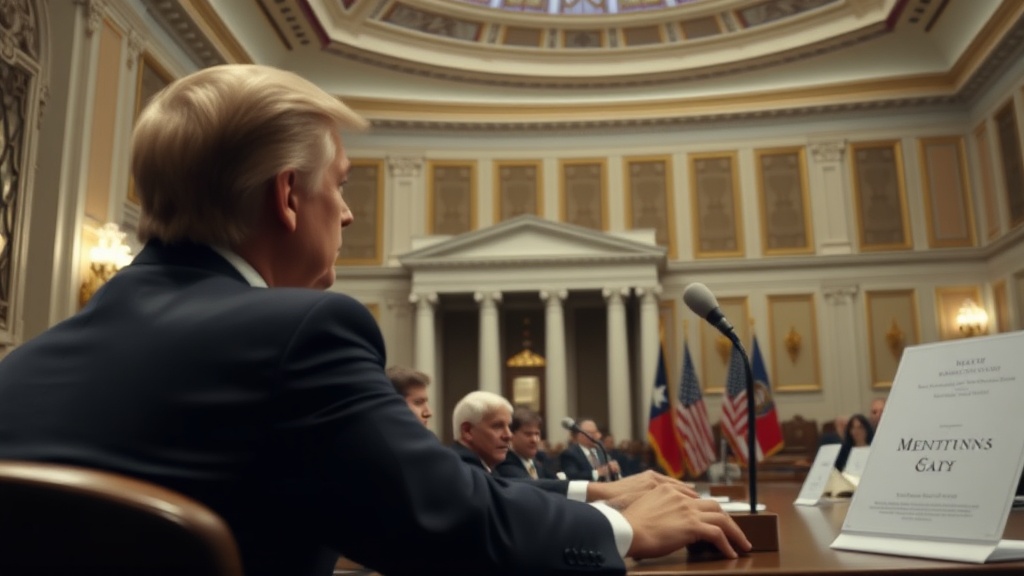
As the U.S. assumes control, the question of how to stabilize Venezuela looms large. Officials in Washington have indicated that they plan to establish a transitional government that will lead the nation toward free elections. Secretary of State Mike Pompeo stated, "Our goal is to ensure that the Venezuelan people can choose their own leaders in a free and fair election. We will work closely with the interim government to restore order and provide humanitarian assistance."
However, the situation is fraught with challenges. Political analysts warn that foreign intervention could spark a backlash among Maduro loyalists, who remain entrenched in the military and government institutions. The potential for violence and civil unrest is high, posing a threat to the fragile peace that could emerge from this transition.
Humanitarian organizations have already begun preparing for increased aid efforts. With millions of Venezuelans in desperate need of food, healthcare, and shelter, the international community is being called upon to assist in rebuilding the nation. The U.N. has urged countries to contribute resources to address the immediate needs of the Venezuelan population, emphasizing that any long-term solution must involve the participation of the Venezuelan people.
As the dust settles on this historic moment, it is clear that the path ahead will not be easy. The U.S. presence in Venezuela will be closely monitored, both by allies and adversaries. The implications of this intervention extend beyond the borders of Venezuela, raising concerns about sovereignty, the role of foreign powers in Latin America, and the future of democracy in the region.
In conclusion, while the ousting of Nicolás Maduro may signify a new chapter in Venezuelan history, the journey toward stability and democracy remains fraught with uncertainty. The international community watches closely as the United States takes the reins, hopeful yet wary of the challenges that lie ahead for the Venezuelan people. Will this intervention lead to a brighter future, or will it spiral into further chaos? Only time will tell, but for now, the people of Venezuela stand at a crossroads, facing a pivotal moment in their nation's history.