Utah Sees Surge in Measles Cases: 54 New Infections Reported Amid Ongoing Outbreak
Utah health officials report 54 new measles cases, totaling 120 in 2023, urging vaccination as the outbreak spreads.
The Utah Department of Health and Human Services (UDHHS) announced on Tuesday that the state has reported 54 new cases of measles over the past three weeks, as the outbreak continues to affect communities across Utah. This recent surge brings the total number of measles cases in the state to a concerning 120 since the beginning of the year, marking a significant increase in a disease that health officials had largely considered under control in recent years. Public health experts are alarmed by the upward trend and are urging residents to be vigilant about vaccinations and preventive measures.
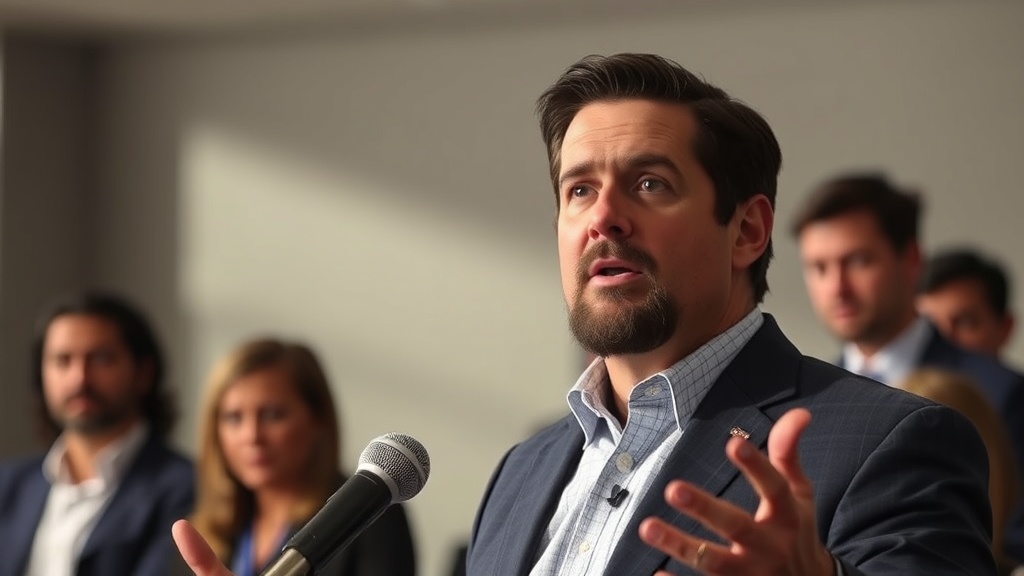
Measles, a highly contagious viral infection, spreads through respiratory droplets and can lead to severe complications, including pneumonia, encephalitis, and even death. The UDHHS reports that the new cases primarily involve unvaccinated individuals, highlighting the importance of community immunity achieved through vaccination. Dr. Angela Dunn, the state epidemiologist, emphasized that measles is not just a public health concern but also a preventable disease. "Vaccination is our best defense against measles, and it is crucial for protecting not only individual health but also the health of the community as a whole," she stated during a press conference.
The recent outbreak has raised alarms in various communities, prompting local health departments to ramp up vaccination efforts. Clinics across Utah have reported an increase in demand for the measles, mumps, and rubella (MMR) vaccine. Many parents, concerned about the safety of their children, have sought guidance from health professionals about the importance of immunization. In response, the UDHHS is working closely with local health districts to organize vaccination clinics and outreach programs, particularly in areas with lower vaccination rates.
Health officials are particularly concerned about the impact of misinformation surrounding vaccines, which has contributed to hesitancy among some parents. Social media platforms have been a central battleground for vaccine misinformation, leading to confusion and fear. In response, health officials are actively engaging with the community to provide accurate information about vaccine safety and efficacy. "We need to counter the misinformation with facts and help families make informed choices about their health," Dr. Dunn added.
Schools have also become focal points in the fight against this outbreak, as they often serve as gathering places where unvaccinated individuals may come into contact with the virus. The UDHHS has urged schools to enforce vaccination requirements and has provided guidance on how to respond if a measles case is identified. In areas with a high incidence of measles, schools are encouraged to review their immunization records and ensure that students are up-to-date with their vaccinations.
Moreover, the outbreak has prompted discussions about the need for policy changes regarding vaccination requirements in Utah. Some lawmakers are advocating for stricter vaccine mandates for school attendance, while others emphasize the importance of parental choice. These discussions reflect a broader national conversation about the balance between public health and individual rights. The ongoing outbreak has underscored the need for a comprehensive approach to vaccination that prioritizes community health while also respecting personal beliefs.
As the outbreak continues, health officials are also monitoring the situation closely, collaborating with federal agencies to track the spread of the virus. The Centers for Disease Control and Prevention (CDC) has been providing support and resources to Utah’s health department as they navigate the complexities of managing this public health crisis. The CDC has reported a nationwide increase in measles cases, linking these outbreaks to pockets of vaccine hesitancy and low vaccination rates.
Looking ahead, health officials stress the importance of continued vigilance. Parents are encouraged to ensure their children are vaccinated on schedule, and adults are reminded that they may also need a booster dose if they have not received one in recent years. The UDHHS is committed to working with healthcare providers and communities to enhance awareness and increase vaccination rates.
In conclusion, the recent spike in measles cases in Utah serves as a stark reminder of the vulnerability of communities to vaccine-preventable diseases. As the state grapples with this outbreak, the emphasis remains on education, outreach, and vaccination as critical tools in combating the spread of measles. For residents of Utah, staying informed and proactive about vaccination is vital to protecting themselves and their communities from this preventable illness.