Rising Demand for Doulas Supporting Mothers in Recovery from Addiction
The demand for doulas specializing in addiction recovery is increasing in Utah, highlighting the need for tailored maternal support.
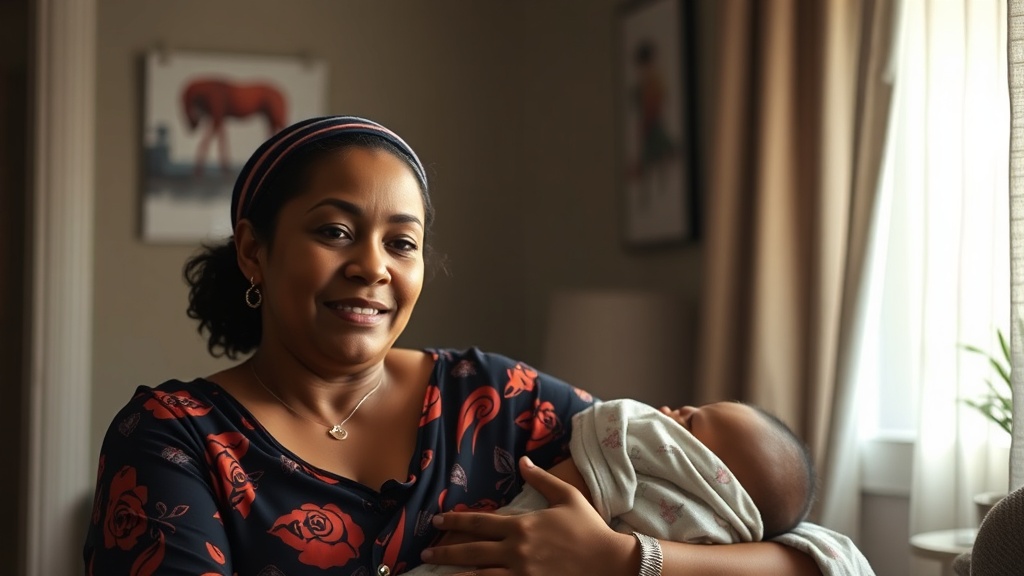
In Utah, the demand for doulas who specialize in supporting mothers with substance use disorders has surged, reflecting a growing awareness of the unique challenges faced by this vulnerable population. As maternal mortality rates continue to rise in tandem with addiction issues, the role of doulas in providing both emotional and practical support has never been more critical.
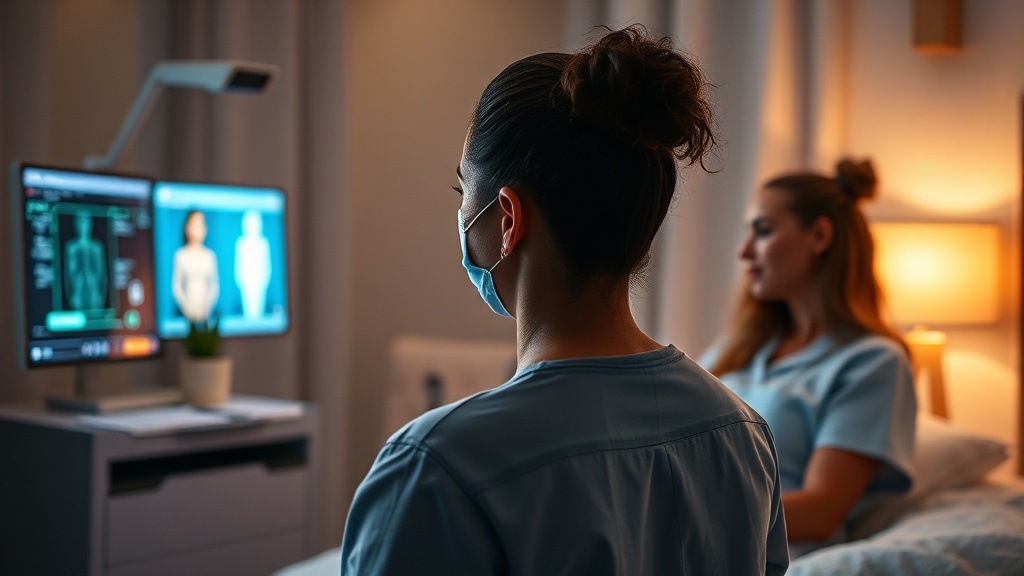
One notable figure in this movement is Emmalee Hortin, a doula trained specifically to assist pregnant and postpartum women struggling with addiction. She recalls a particularly poignant moment when one of her clients, during a hospital procedure following a miscarriage, expressed a desperate plea to avoid narcotics. Despite her client’s request, medical staff administered fentanyl, a decision that left the woman feeling anxious about her recovery journey. "She was really upset and worried about returning to use," Hortin explained, highlighting the disconnect that can exist between healthcare providers and patients in recovery.
Hortin, who has been in recovery for nine years, uses her lived experience to connect with and advocate for mothers facing similar battles. She works at One Health, a community health center in Montana dedicated to training doulas from across the state in peer recovery services. Her role is imperative; she not only provides emotional support but also helps create personalized care plans, ensuring that her clients’ voices are heard throughout their healthcare experiences.
The necessity for doulas like Hortin is underscored by alarming statistics from the Centers for Disease Control and Prevention, which identify mental health conditions and substance use as leading causes of maternal mortality. For women in recovery, pregnancy can be a particularly precarious time, bringing a host of challenges that can exacerbate their conditions. Britt Westmoreland, program coordinator for the University of Colorado’s recovery coach doula program, emphasizes that peer recovery doulas play a crucial role in advocating for patients in labor, helping them navigate stressors and cravings during a time when they are particularly vulnerable.
The stigma surrounding substance use disorder often compounds the difficulties these mothers face. Many women feel shame and isolation, which can prevent them from seeking the help they desperately need. This stigma is especially pronounced for Black and Indigenous women, who are often subjected to discriminatory practices in healthcare settings. "It’s vital to remind moms of their humanity and that they can regain control over their addictions while ensuring the safety of their babies," said Julianne Denny, an Indigenous birth worker who utilizes both cultural practices and doula care to support her clients.
Denny, who trained at One Health and holds a degree in addiction studies, believes that her role extends beyond providing traditional doula services. She aims to empower mothers, guiding them through their recovery journeys to foster strong, healthy relationships with their children. "The goal is for mothers to feel proud of themselves and successful in their pregnancies," she noted.
The rising recognition of the importance of doula care has prompted legislative changes in several states, including Utah, which has recently expanded Medicaid coverage to include doula services. This policy change is expected to make doula care more accessible, especially for low-income families who might otherwise be unable to afford such support. Aleece Weaver, founder of the Utah Doula Access Project, notes that the ability to get compensated through Medicaid will enable more doulas to sustain their practice, thereby increasing the availability of this essential service.
Dr. Marcela Smid, medical director of the University of Utah’s Substance Use & Pregnancy—Recovery, Addiction, and Dependence (SUPeRAD) Clinic, reports that their clinic frequently sees dozens of patients facing substance use disorders. Many come from rural areas where access to maternal and mental health care is limited. The clinic is a lifeline for these women, providing comprehensive support and resources.
As states like Colorado and Montana also move towards expanding doula coverage, the emphasis on holistic care for mothers recovering from addiction is gaining traction. However, the challenge remains: ensuring that these services are not only available but also accessible, particularly in remote areas where healthcare resources are scarce.
"Providing support to those feeling hopeless is crucial," said Lanita Hoskinson, a recovery doula at One Health. "Families in rural communities need someone to walk alongside them through their journey." As the landscape of maternal health continues to evolve, the integration of doulas into recovery programs may prove vital in addressing the intertwined crises of addiction and maternal mortality.
The path forward will require continued advocacy and policy change to enhance access and support for these vital services, ensuring that mothers in recovery receive the comprehensive care they deserve. With the growing recognition of the importance of doulas in this context, the hope is that more women will find the support they need to navigate the complexities of motherhood and recovery.