The Psychological Impact of Mask-Wearing: A Closer Look at Behavior Changes
Exploring the psychological effects of mask-wearing reveals implications for behavior and human connection.
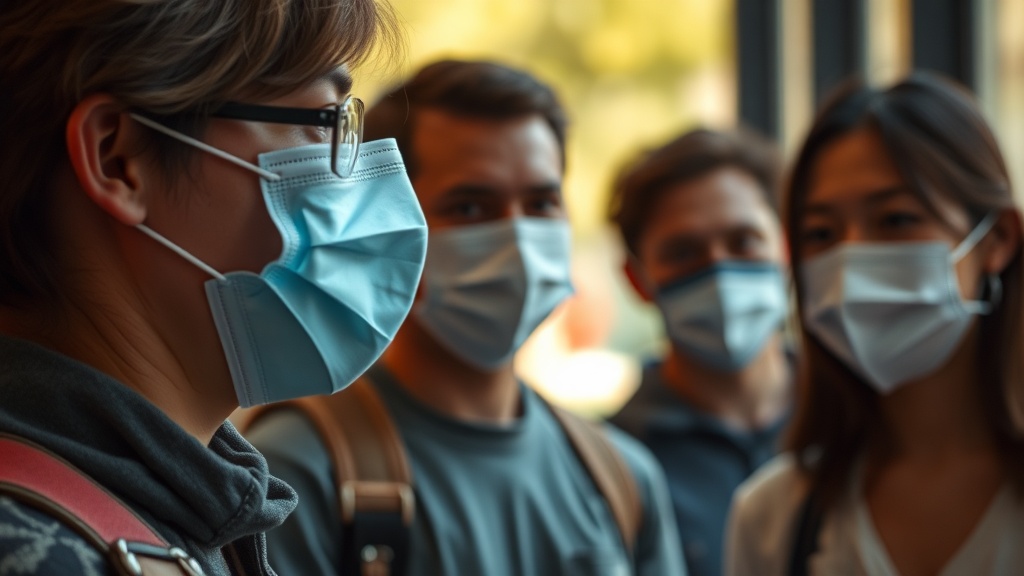
In recent years, the widespread use of masks, particularly during the COVID-19 pandemic, has sparked a variety of discussions about their implications beyond public health. While masks are primarily intended to prevent the spread of viruses, they also carry psychological and societal effects that deserve attention. One notable aspect is the way masks may influence behavior, leading to what some describe as a 'dehumanizing' experience for both the wearer and those around them.
The concept of masks facilitating a sense of anonymity is not new. Historically, masks have been used in various contexts—from theatrical performances to cultural rituals—serving to conceal identity and alter behavior. Psychologists suggest that wearing a mask can create a disconnection from one's self-image, allowing individuals to act in ways they might not typically consider. For example, in a study conducted by the University of California, researchers found that participants who wore masks during a controlled experiment were significantly more likely to engage in risk-taking behaviors compared to those without masks.
This phenomenon raises questions about accountability and social responsibility. The anonymity provided by masks can lead to a sense of liberation, but it can also lead to irresponsible actions, as individuals feel less accountable for their behavior. "When our identities are obscured, we may feel empowered to act in ways that are contrary to our moral compass," says Dr. Lisa Johnson, a social psychologist specializing in group behavior. "This can manifest in various forms, from playful mischief to more serious transgressions."
The implications of this behavior are particularly relevant in the context of public health measures. As mask mandates were implemented in various states to curb the spread of COVID-19, many citizens expressed feelings of discomfort and unease. The masks became symbols of both safety and fear, leading to an internal conflict regarding their use. Some individuals reported feeling dehumanized, both by the act of wearing a mask and by the social interactions that were altered as a result. "I often felt like I was just a face mask walking around, rather than a person," said Jessica Lane, a Salt Lake City resident. "It took away the little nuances of communication that make us human."
Moreover, the dehumanizing aspect of mask-wearing extends beyond the individual. Social interactions in public spaces have changed, with many people avoiding eye contact or even engaging in conversation due to the barriers created by masks. A study published in the Journal of Social Psychology found that individuals wearing masks were perceived as less approachable and friendly, leading to increased social isolation during a time when connection was most needed.
Critics argue that while masks serve an essential purpose in protecting public health, their psychological effects cannot be overlooked. The potential for masks to encourage transgressive behavior raises ethical questions about their use. How do we balance the necessity of masks in protecting ourselves and others from a virus while also considering the psychological toll they might take on society?
As mask mandates begin to relax and people return to pre-pandemic norms, experts suggest that addressing the psychological impacts of mask-wearing should be a priority. "We need to have open conversations about the emotional and social consequences of such public health measures," says Dr. Michael Green, a mental health professional. "Understanding these impacts can help us better navigate future health crises."
In conclusion, the phenomenon of mask-wearing extends far beyond its intended purpose of safeguarding health. The psychological implications, including the potential for promoting irresponsible behavior and feelings of dehumanization, warrant further investigation. As society moves forward, it is crucial to acknowledge and address these multifaceted effects to foster a more empathetic and understanding community. By recognizing the complexities surrounding mask-wearing, individuals, health officials, and policymakers can work together to find a balance that prioritizes both health and human connection.