Mark Cuban Calls for Breakup of Major Health Insurance Companies to Lower Costs
Mark Cuban calls on Trump to break up major health insurers, claiming it will reduce costs significantly.
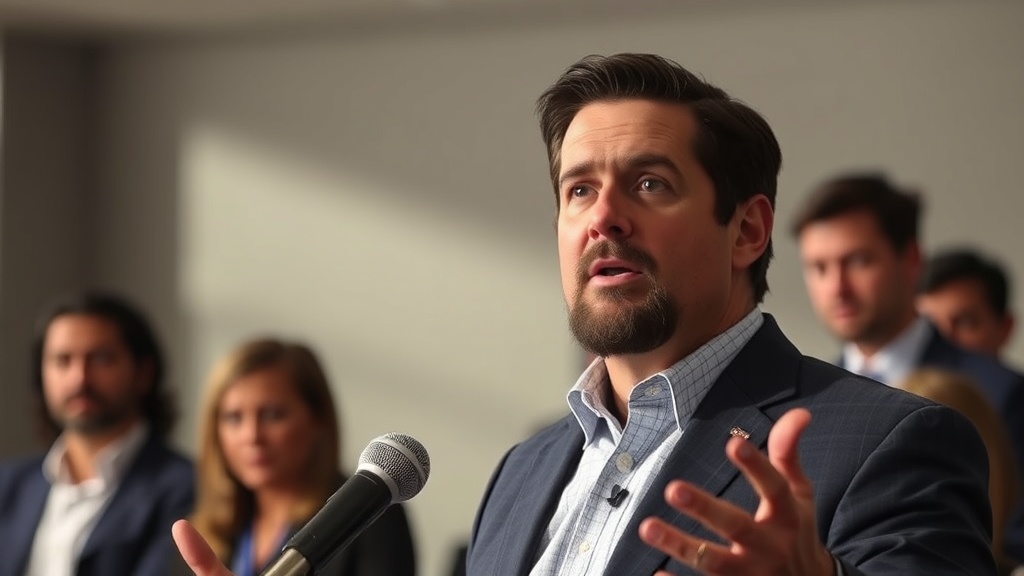
In a bold statement that has ignited discussions across the healthcare sector, billionaire entrepreneur Mark Cuban has publicly challenged the Trump administration to consider breaking up the largest health insurance companies in the United States. Cuban, known for his ventures in the tech industry as well as his role as an investor on the television show "Shark Tank," argues that dismantling these corporate giants could lead to significant reductions in healthcare costs for American consumers.
Cuban's remarks came during a recent interview where he outlined the challenges facing the American healthcare system. He emphasized that the consolidation of health insurance companies has resulted in a lack of competition, which, in turn, drives up premiums and out-of-pocket costs for patients across the country. "Health care costs drop like that if you break up these companies," he stated, snapping his fingers to emphasize his point. He believes that increasing competition would not only lower prices but also improve the quality of care provided to patients.
The American healthcare landscape has seen a significant shift toward consolidation over the past two decades. According to a report by the American Medical Association, the percentage of physicians practicing in independent settings has steadily declined, while the number of healthcare systems and insurance companies merging has increased. This trend has raised concerns among healthcare professionals and policymakers alike, as it tends to limit patient choices and increase costs.
Cuban's argument is rooted in economic principles that suggest that competition fosters innovation and efficiency. He pointed to various industries where competition has led to better consumer outcomes, highlighting the technology sector as a prime example. "When you have more players in the game, the consumer wins," he said, echoing sentiments shared by many economists who advocate for a more competitive market structure.
The implications of Cuban's challenge are significant, especially considering the current state of healthcare in the U.S. According to a report from the Kaiser Family Foundation, healthcare spending in the United States reached nearly $4 trillion in 2020, accounting for approximately 18% of the nation’s Gross Domestic Product (GDP). Rising costs have led to an increase in the number of uninsured individuals, a crisis that has only been exacerbated by the COVID-19 pandemic.
Critics of the current healthcare system argue that the high costs are not solely a result of insurance company practices, but also stem from various factors including the price of prescription drugs, hospital services, and administrative overhead. However, Cuban maintains that addressing the insurance industry's consolidation is a necessary step in lowering overall costs. He believes that if the administration were to pursue a breakup of these companies, it could serve as a catalyst for broader reforms throughout the healthcare system.
The potential for breaking up major health insurance companies has been a topic of debate among policymakers for years. Some legislators have proposed measures aimed at increasing transparency in pricing and encouraging competition among insurers. However, the idea of a full breakup remains contentious, with concerns about its feasibility and the potential consequences for the healthcare system.
In response to Cuban's challenge, some industry experts have expressed skepticism. They caution that while increased competition could lead to lower prices, it may also create instability within the market. "It's a complex issue," said Dr. Sarah Johnson, a healthcare analyst. "Breaking up the insurance companies could lead to unforeseen consequences that might complicate access to care, especially for vulnerable populations."
Despite these concerns, Cuban remains undeterred in his advocacy for reform. He has expressed a willingness to engage in discussions with lawmakers and industry leaders to explore potential solutions that could lead to a more equitable healthcare system.
As the debate over healthcare costs continues to evolve, Cuban's challenge serves as a reminder of the need for innovative thinking in addressing one of America's most pressing issues. With healthcare costs continuing to rise and millions of people struggling to afford necessary care, the call for action has never been more urgent.
In conclusion, Mark Cuban's proposition to break up major health insurance companies is a bold suggestion that could reshape the future of healthcare in the United States. While the complexities of the healthcare system present numerous challenges, the conversation initiated by Cuban's comments underscores the importance of exploring new avenues to foster competition and reduce costs for consumers. As both the public and policymakers grapple with these issues, Cuban's challenge may serve as a catalyst for much-needed change in the landscape of American healthcare.