Utah Schools Ban Three Books, Including One Behind Popular Film
Utah's recent book bans include acclaimed titles, raising debates on censorship and educational freedom.
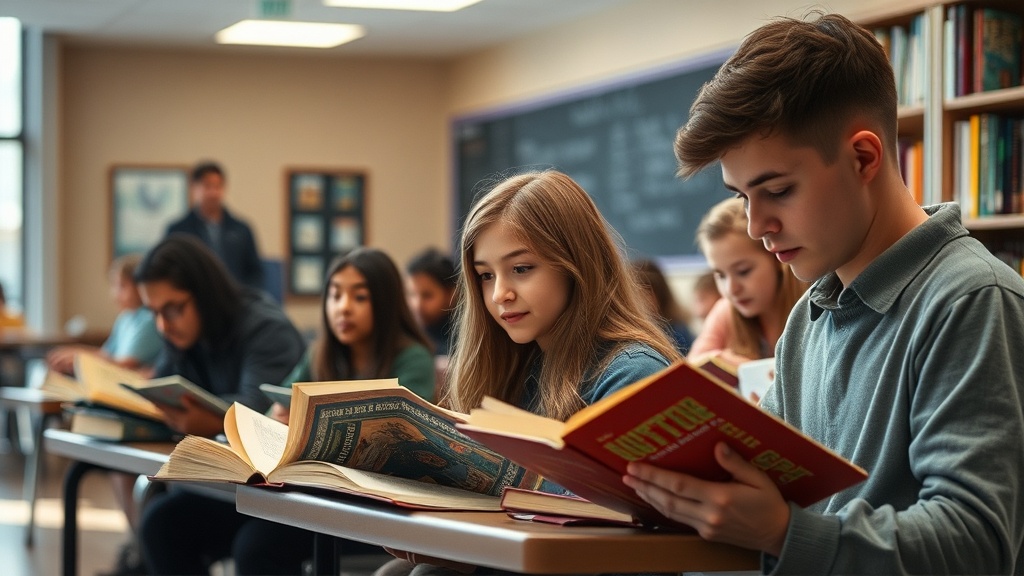
As the 2026 winter semester approaches, Utah's educational landscape continues to shift dramatically with the addition of three new titles to the list of books banned from public schools. This latest decision has sparked discussions around censorship, educational freedom, and the role of literature in shaping young minds.
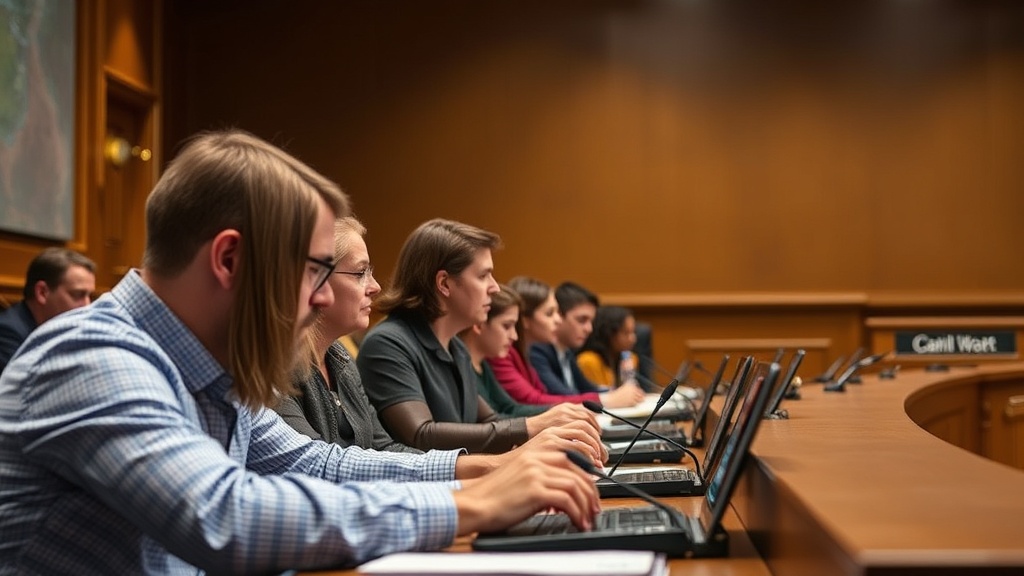
The Utah State Board of Education announced the bans following a series of controversial reviews initiated by concerned parents and community members. Among the titles removed from school libraries are 'The Hate U Give' by Angie Thomas, which has received critical acclaim and serves as a source for a popular motion picture, as well as 'Gender Queer' by Maia Kobabe and 'Lawn Boy' by Jonathan Evison. The board's decision reflects a growing trend in various states across the U.S. where books featuring themes of race, gender identity, and sexuality have faced scrutiny.
'The Hate U Give,' which addresses police violence and systemic racism through the eyes of a teenage girl, has been a staple in discussions about social justice and has resonated with students across the nation. Critics of the ban argue that removing such a book limits important conversations about race and identity in contemporary society. Angie Thomas, the author, took to social media to express her disappointment, stating that her work aims to foster understanding and empathy. "Books have the power to bridge divides, and removing them only widens the gap," she wrote.
Similarly, 'Gender Queer,' a graphic memoir that explores the author’s journey with gender identity and sexuality, has been at the center of debates over how schools handle discussions about these topics. Critics of the book argue that it is inappropriate for younger audiences, citing explicit illustrations and themes. Supporters, however, argue that representation in literature is crucial for students who may feel marginalized or misunderstood. They emphasize that banning such books denies students access to diverse perspectives that can help them navigate their own identities.
The third book, 'Lawn Boy,' has faced challenges due to its frank depiction of sexual orientation and coming-of-age experiences. The narrative follows a young boy's journey toward self-discovery in a world that often stigmatizes difference. Some parents expressed outrage, claiming the book is not suitable for school-aged children, while educators and librarians defended it as a necessary resource for fostering discussions about sexuality and acceptance.
The bans have ignited a wave of responses from various stakeholders within the Utah community. The American Civil Liberties Union (ACLU) of Utah has criticized the board's decision, arguing that it sets a dangerous precedent for censorship in education. A spokesperson for the ACLU stated, "When we start banning books, we deny students the right to engage with complex ideas and learn how to think critically about the world around them."
In contrast, proponents of the ban have applauded the board's efforts to protect children from what they describe as inappropriate content. Local parent groups have rallied in support of the decision, claiming that they are merely advocating for a curriculum that aligns with their values. One parent noted, "We want our children to learn in a safe environment, free from materials that challenge their innocence."
The implications of these bans extend beyond just the classroom. They raise critical questions about the role of educators, parents, and policymakers in determining what literature is deemed acceptable for young audiences. As debates continue, educators are finding themselves caught in the crossfire. Many school librarians report feeling pressured to remove books from their shelves, fearing backlash from parents and community groups.
In response to these challenges, several school districts across the state are reevaluating their book selection processes. Some are considering implementing more stringent guidelines on the types of materials that can be included in school libraries, while others are advocating for a more inclusive approach that honors diverse voices.
The consequences of these bans may have lasting effects on Utah's educational system and the students who navigate it. As the state grapples with these issues, the broader conversation about freedom of expression in literature continues to unfold, highlighting the tension between safeguarding youth and promoting a rich educational experience.
As the winter semester approaches, the future of literature in Utah's public schools remains uncertain. The ongoing discourse surrounding these bans serves as a reminder of the power of books, not just as tools for education, but as catalysts for crucial conversations about identity, society, and the world we live in.