Utah Legislators Introduce Bills to Regulate Classroom Technology Usage
Utah lawmakers propose new legislation to limit classroom technology use, focusing on young students' well-being and learning outcomes.
SALT LAKE CITY, UT — In a significant move aimed at reshaping educational practices in the state, Utah lawmakers, with the support of Governor Spencer Cox, introduced a two-bill package on Tuesday that seeks to impose stringent limits on the use of technology in K-12 classrooms. This initiative is part of a broader “back to basics” educational philosophy that emphasizes foundational learning, particularly for younger students. The proposed legislation is expected to significantly change how technology is integrated into the learning environment, especially for students in the early grades.
The first bill, known as the Software Accountability for Education (SAFE) Act, aims to establish statewide standards that educational software vendors must adhere to before their products can be utilized in schools. This legislation is sponsored by Representative Doug Fiefia, a Republican from Herriman, and Senate Majority Leader Kirk Cullimore from Draper. Fiefia articulated the bill's primary objective: to ensure that digital classrooms possess the same level of safety as traditional classrooms. “Our digital classrooms should be as secure as our physical ones,” he stated, emphasizing the need for protective measures in an increasingly technology-driven educational landscape.
The SAFE Act outlines a framework that requires vendors to meet specific criteria related to data security and user privacy. It is designed to alleviate concerns among parents and educators regarding the safety of children when using digital tools in educational settings. By enhancing accountability among software providers, the legislation aims to foster a more secure and supportive learning environment, allowing students and educators to focus on educational outcomes without the looming threat of data breaches or privacy violations.
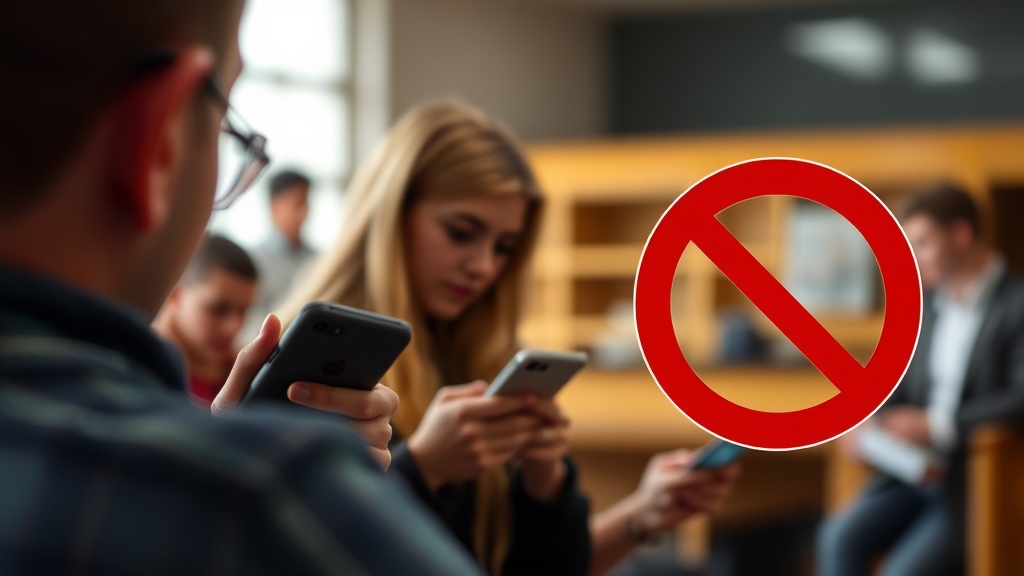
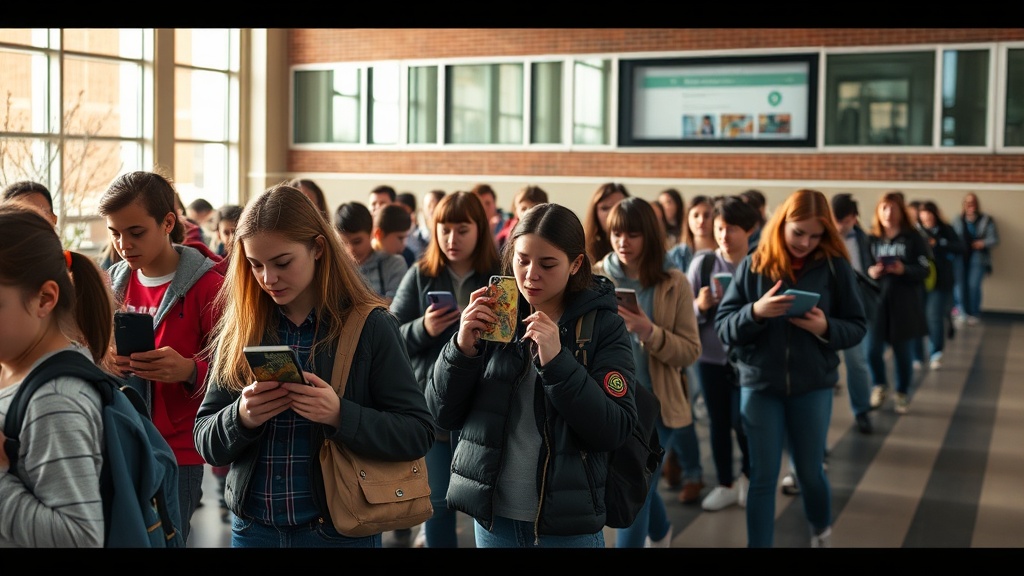
The second piece of legislation, titled the Balance Act, seeks to impose statewide restrictions on screen time in classrooms, particularly for students in kindergarten through third grade. This initiative is sponsored by Representative Ariel Defay from Kaysville and Senate Majority Whip Chris Wilson from Logan. The Balance Act proposes that schools set limits on the amount of time students spend on screens, progressively increasing exposure to technology as students advance through grades. This tiered approach intends to encourage developmental readiness and minimize distractions during formative years.
In addition to regulating screen time, the Balance Act also instructs schools to eliminate non-essential screen use and develop guidelines for the integration of artificial intelligence in educational settings. This comprehensive strategy reflects ongoing concerns about the potential negative impacts of excessive screen time on young learners, including diminished attention spans and hindered academic performance.
Proponents of this legislative package cite a growing body of research indicating the adverse effects of technology in classroom settings. Notably, an international assessment known as the PISA survey revealed that approximately two-thirds of students reported feeling distracted by digital devices. Alarmingly, those students scored an average of 15 percentage points lower in math compared to their peers who did not experience such distractions. These findings underscore the urgency of addressing technology usage in educational environments, particularly for younger children.
The bills were drafted in collaboration with the Child First Policy Center, a nonprofit organization established in 2025 with a mission to advocate for child protection policies. Supporters of the legislation view this initiative as a logical extension of Utah’s recent technology-focused measures, which include restrictions on social media access for minors. By addressing both educational technology and social media, lawmakers aim to create a safer and more conducive environment for children to learn and grow.
As the legislative session progresses, the proposed bills are expected to garner significant attention from educators, parents, and technology advocates. While the intention behind these measures is to prioritize the well-being and academic success of students, they also raise questions about the role of technology in education and how to balance its benefits with potential drawbacks.
Critics of the legislation may argue that limiting technology in classrooms could hinder educational innovation and access to valuable resources. As the debate unfolds, lawmakers will need to consider various perspectives to ensure that any regulations strike an appropriate balance between safeguarding students and enhancing their educational experiences. The outcome of this legislative effort could set a precedent for how technology is utilized in educational settings across the nation, making it a pivotal moment for Utah’s K-12 education system.