Utah Schools Consider Statewide No-Phone Policy Amid Mixed Reactions
Utah's proposed no-phone policy in schools sparks debate among educators and parents, highlighting its potential benefits and challenges.
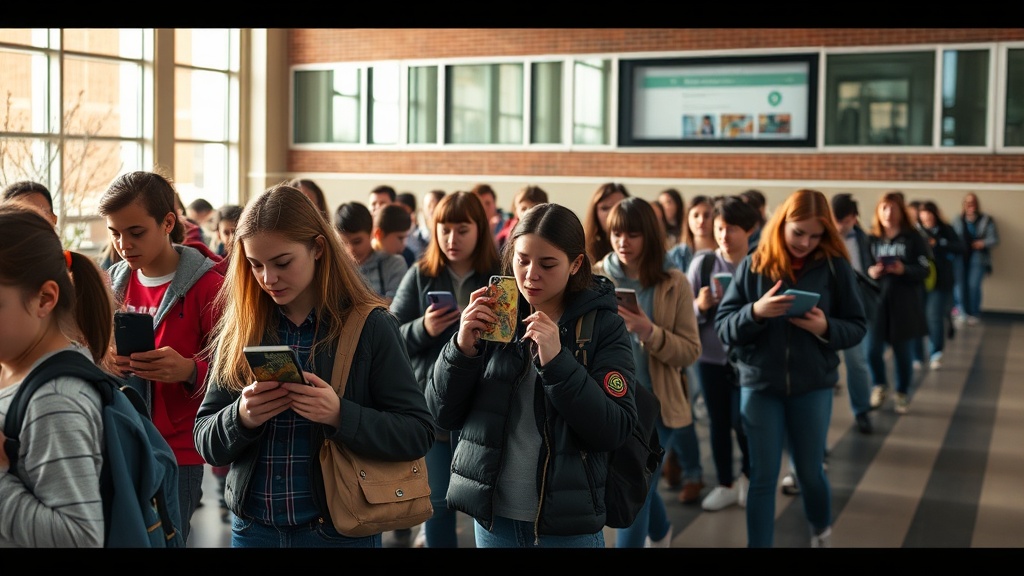
In a move that has sparked significant discussion among educators, parents, and students alike, Utah leaders are proposing a statewide bell-to-bell no phone policy for all public schools. This initiative aims to eliminate distractions and enhance the learning environment by prohibiting the use of cell phones during school hours, including lunch breaks. While many educators recognize the potential benefits of such a policy, they also express concerns about its implementation and the varied responses from the school community.
At the forefront of this discussion is the Washington County School District, which has already implemented a bell-to-bell phone ban at the beginning of the school year. Britt Stull, a language arts teacher in the district, shared her perspective on the policy. "Students aren't a big fan overall," she noted. "We teachers see the benefit, but we worry a little bit that it's just one more thing for teachers to do during the workday." Stull’s comments highlight the complexity of enforcing such a policy in a classroom setting, where distractions can stem from various sources.
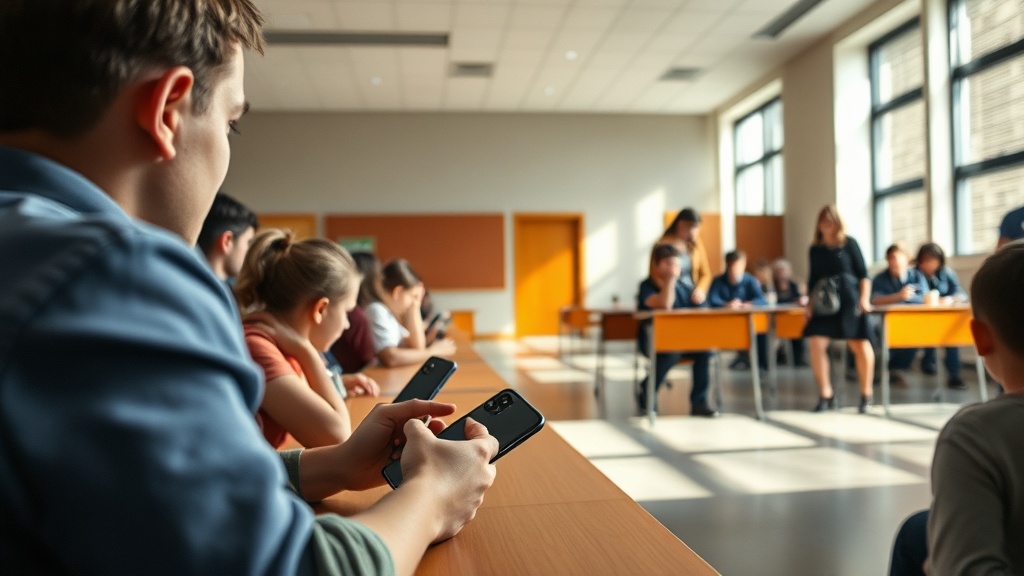
The challenges of enforcing the ban are amplified by the realities of classroom management. Stull explained, "It seems simple to be like, 'Hey, police the phones,' but when you've got 30 kids in the classroom, four of them are on cell phones, three of them are talking during a test—different things. It is a lot to try to do at one time.” This sentiment resonates with many educators who are tasked with maintaining focus and discipline amid the distractions of modern technology.
Students have voiced their concerns, particularly regarding the ban's impact on their ability to access important information. Stull recounted instances where students expressed their need for phones to check schedules or grades. In response, she has taken the initiative to print out schedules for those who request them, showcasing her commitment to supporting her students amidst the policy's restrictions. "I've got a printer in my room, and I've just started printing out schedules for kids who have that complaint. It's like, I got you," she remarked, underscoring the adaptability of educators in navigating the new rules.
The proposed statewide policy has elicited mixed reactions from parents as well. While many parents support the initiative, especially those concerned about their children's attention and engagement in school, some have raised objections. Stull described these objecting parents as "snowplow parents," a term used to describe those who remove obstacles from their children's paths to ensure they do not face challenges. These parents have expressed frustration over their inability to reach their children at all times, highlighting a generational divide in attitudes toward technology and communication.
The Washington County School District's policy also differs in some aspects from the proposed statewide guidelines, particularly regarding high school students. According to district spokesperson Steve Dunham, older students in grades 10 through 12 are allowed to have their phones during lunch and between class periods. Dunham explained, "The only difference is that for our 10th, 11th, and 12th graders, our high school students that have different schedules, that have different lives, we do allow them to have their cell phones during lunch and in between class periods. Oftentimes, they have internships or other things going on." This flexibility acknowledges the varying responsibilities and commitments of older students, which may not be fully addressed by a blanket ban.
As the debate unfolds, Dunham acknowledges the complexities of balancing educational policies with the evolving landscape of technology in schools. "We're a government agency. We have to follow the law," he stated. "So if they pass the law that says that, you know what? We'll follow the law because that's what we do." This commitment to compliance underscores the district's willingness to adapt to new regulations, even as they navigate the challenges of implementation.
The proposed bell-to-bell no phone policy reflects a growing trend in educational environments to limit distractions and enhance student focus. However, its success will largely depend on the collaboration between educators, parents, and students to strike a balance between maintaining an effective learning environment and addressing the legitimate needs of students in today's digital age. As schools across Utah consider the implications of such a policy, the dialogue surrounding technology in education continues to evolve, revealing the need for thoughtful and adaptable approaches to modern learning challenges.
In conclusion, the discussion surrounding the proposed bell-to-bell no phone policy in Utah schools brings to light the complexities of managing technology in educational settings. While the potential benefits of enhanced focus and reduced distractions are clear, the challenges of enforcement and varied responses from the school community must be carefully considered. As schools move forward in this initiative, a collaborative approach will be essential to ensure that the needs of all stakeholders are met, fostering an environment that supports both academic achievement and personal growth.