Utah Lawmakers Push for Comprehensive Cellphone Ban in Schools with Governor's Support
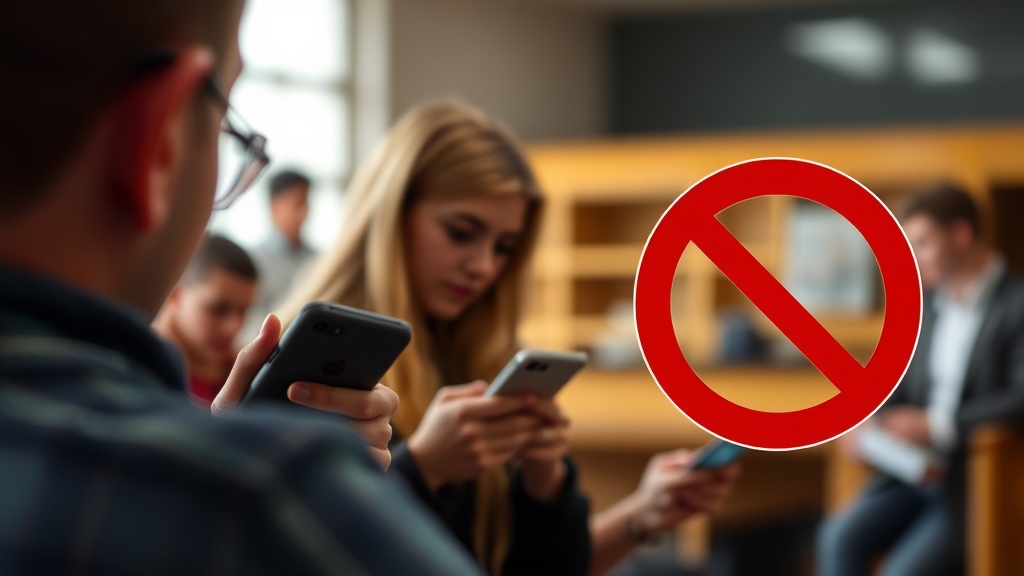
Utah lawmakers, led by Gov. Spencer Cox, propose a comprehensive cellphone ban in schools, aiming to enhance student well-being and focus.
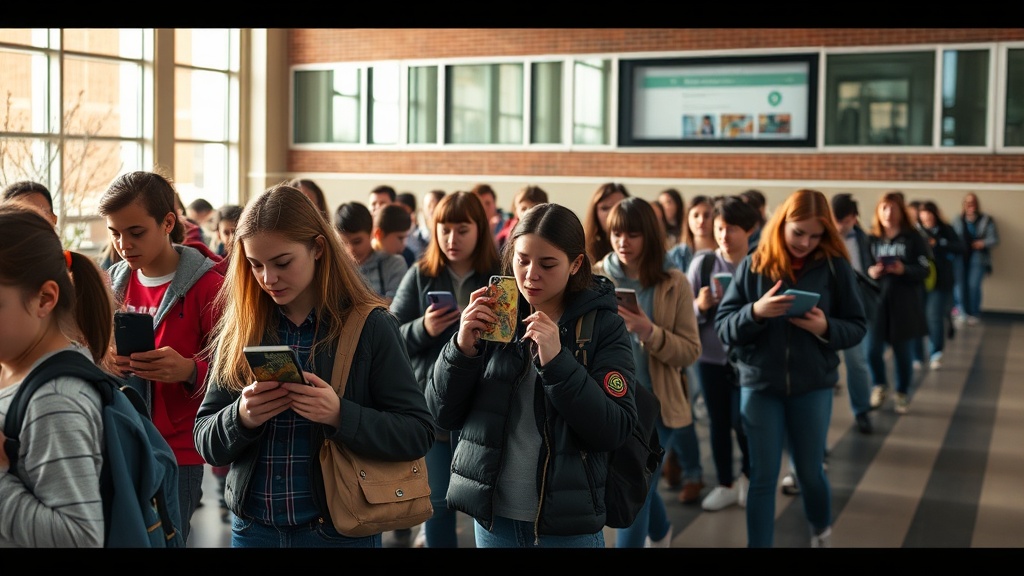
As the Utah Legislature prepares to convene on January 20, a renewed push for a comprehensive cellphone ban in public schools has gained significant momentum, spearheaded by Governor Spencer Cox. During a news conference on January 7, Cox emphasized the need for a 'bell-to-bell' ban, which would prohibit cellphone use throughout the entire school day, including lunch breaks and transition periods between classes. This initiative aims to address concerns about the impact of smartphones on student well-being and academic performance.
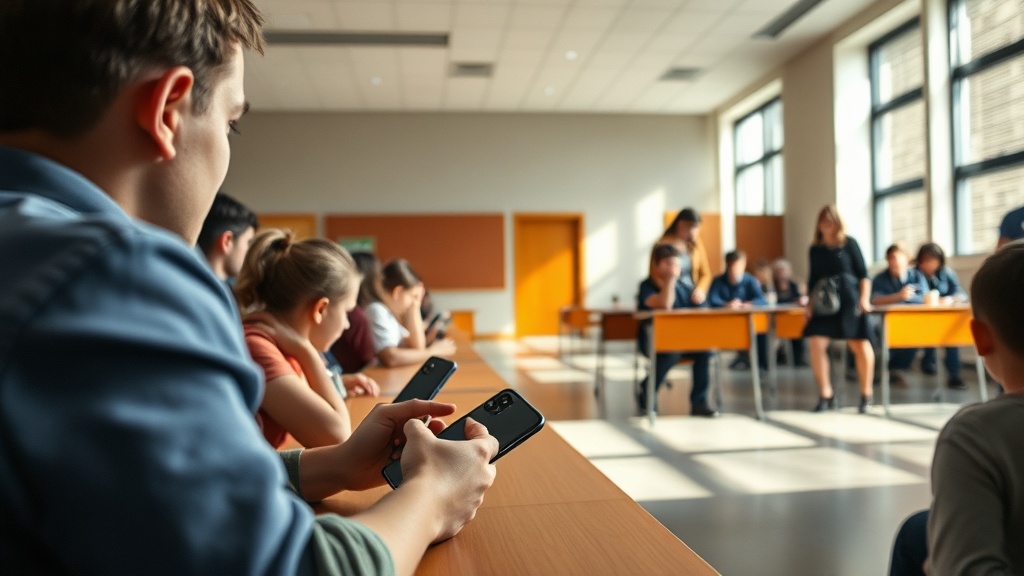
Last fall, Utah students experienced a limited cellphone ban during classroom hours, a measure that received overwhelming support from lawmakers but was deemed insufficient by Governor Cox. "We have an opportunity to fix what we got wrong last time and do it the right way this time," Cox stated, expressing his conviction that a complete ban is crucial for enhancing the educational environment. South Jordan Republican Senator Lincoln Fillmore, who initially introduced the cellphone ban legislation in 2025, will be revisiting and refining the proposal based on Cox’s recommendations.
Under the current law, a default cellphone ban exists, allowing schools to implement stricter or more lenient policies as they see fit. However, Fillmore pointed out that no school district has opted for a less restrictive approach than what state law requires. "I am not aware of a single school district that has gone less than what the state law requires them to do," Fillmore said. Still, he acknowledged that many individual schools have adopted more stringent measures, with some already enforcing a bell-to-bell cellphone ban.
Granger High School in West Valley City, for instance, established its own comprehensive ban in 2024. According to reports from the principal, the school has seen a notable uptick in attendance rates, improved test scores, and a reduction in bullying incidents since the implementation of the ban. These positive outcomes have bolstered the case for a statewide policy.
As part of the proposed legislation, it will be the responsibility of individual schools to determine how to manage students' phones. Some institutions have invested in magnetic locking pouches, while others simply require students to keep their devices secured in their backpacks. Fillmore expressed confidence in the ability of local districts to devise practical solutions that fit their unique needs.
Governor Cox's advocacy for the cellphone ban aligns with his broader campaign to regulate social media usage and address the influence of technology on youth. He has articulated concerns about the potential dangers posed by artificial intelligence and social media apps, describing them as addictive and detrimental to students' mental health. "If we thought it wasn't a fair fight with the social media companies, the fight is going to completely overwhelm us with AI chatbots and their ability to not just rewire our brains, but hijack everything that makes us human," Cox asserted.
Cox's position is supported by advocates like Avery Gonzales, a former student who lobbied for the 2025 law during her senior year in Cache County. At the recent news conference, Gonzales reflected on her experiences, noting that many of her peers initially resisted the cellphone rule but later recognized the positive impact it had on their interpersonal relationships. "Instead of scrolling alone, they are talking, laughing, and finally building real friendships," Gonzales remarked, emphasizing that a bell-to-bell approach would further these benefits by fostering an environment conducive to connection and learning.
The proposed legislation has sparked a broader conversation about the role of technology in education and the responsibilities of schools to mitigate its negative effects. As the debate continues, the implications of such a policy could extend beyond the classroom, potentially shaping the future of how technology is integrated into daily life for students across Utah.
In conclusion, as lawmakers prepare to revisit the cellphone ban, the dialogue surrounding technology's impact on students remains at the forefront of educational policy discussions in Utah. With the backing of influential figures like Governor Cox and the support of students and educators alike, the movement toward a comprehensive cellphone ban is gaining traction, signaling a shift in how schools tackle the challenges posed by modern technology in the learning environment.