Utah's Proposed 'ICE Out' Bill Aims to Limit Federal Immigration Enforcement
Utah's proposed 'ICE Out' bill seeks to limit federal immigration enforcement in sensitive areas, raising significant community concerns.
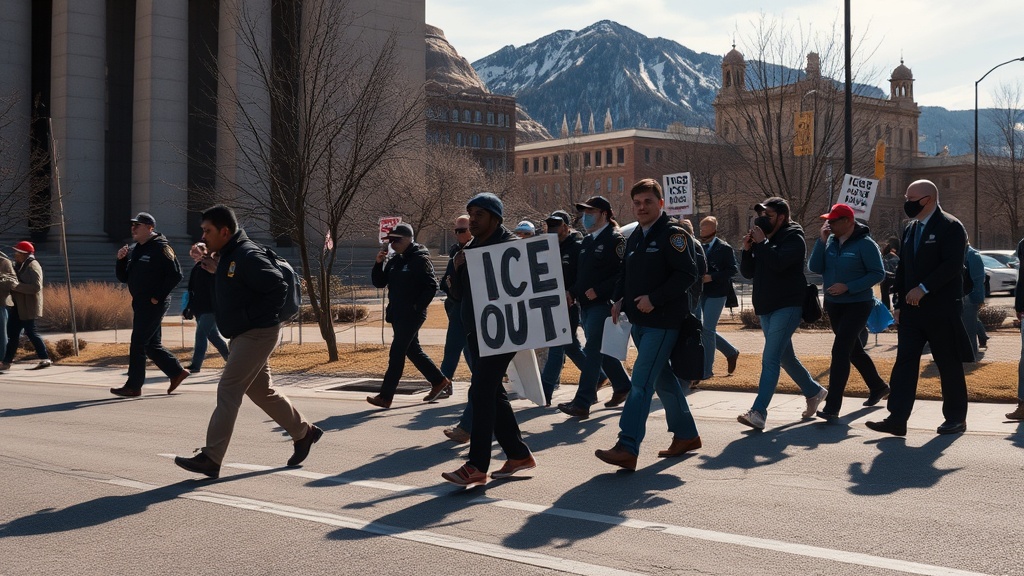
As discussions loom ahead of Utah's upcoming legislative session, a new bill titled 'ICE Out' has been introduced, aiming to restrict the activities of U.S. Immigration and Customs Enforcement (ICE) agents within designated sensitive areas across the state. Sponsored by State Senator Nate Blouin (D-Salt Lake City), the legislation, known as SB136, has emerged in response to heightened public sentiment surrounding ICE operations, particularly following a tragic shooting incident involving federal agents in Minneapolis.
The proposed bill outlines specific provisions designed to safeguard certain locations deemed sensitive, including churches, hospitals, libraries, and courthouses. If passed, it would prohibit state and local law enforcement from collaborating with ICE in operations within these crucial spaces, effectively creating a buffer to protect vulnerable community members from potential immigration enforcement actions.
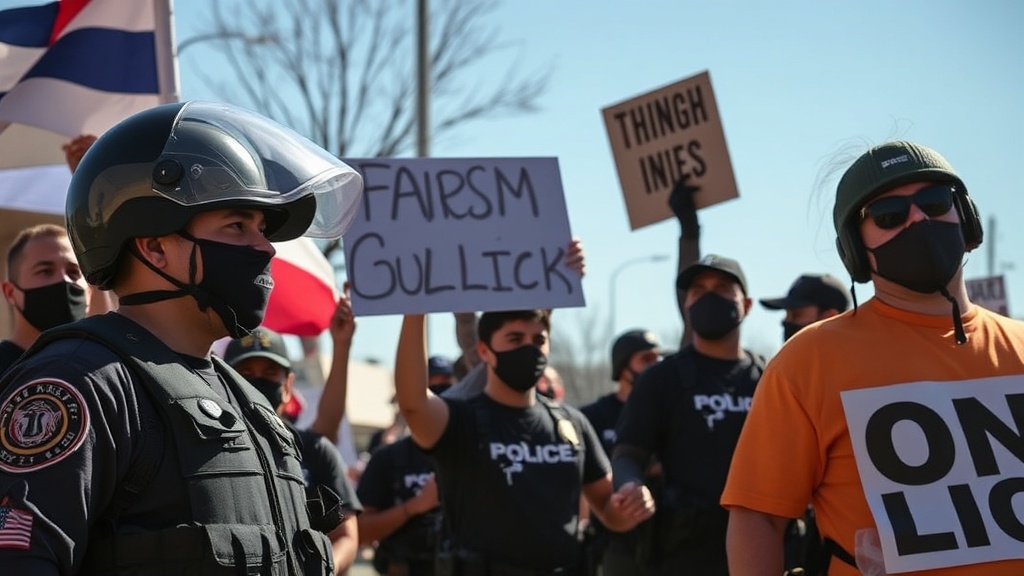
In addition to restricting cooperation between local law enforcement and ICE, the bill seeks to limit federal agents’ access to non-public government-operated facilities, such as healthcare service centers and shelters. Furthermore, the legislation includes a controversial provision that would require federal law enforcement officials to refrain from using facial coverings while conducting their duties in Utah.
"While 'ICE Out' has become a rallying cry in recent days, this bill is the result of considerable feedback from stakeholders over the past few months," said Blouin in a statement. "Today more than ever, we understand the need to protect our community against the federal overreach of ICE. While keeping them out of churches and other sensitive locations is a start, the end goal must be to abolish ICE."
The introduction of the 'ICE Out' bill comes at a time when immigration enforcement actions have sparked intense debates across the country. Advocates argue that the presence of ICE in sensitive areas instills fear among immigrant communities, leading to significant disruptions in their daily lives. For many, the fear of deportation has forced families to make dire choices, such as withdrawing children from school or avoiding necessary medical care.
Brianna Puga, a representative of Comunidades Unidas, a nonprofit organization dedicated to serving the Latino community in Utah, expressed support for the legislation. "Our communities are living in fear more than ever before," said Puga. "Families are being forced to make impossible choices - pulling their children out of school, avoiding places of worship, and withholding seeking medical care at hospitals and clinics - because ICE has turned daily life and meeting basic needs into a danger zone."
The issues raised by the 'ICE Out' bill resonate deeply within various segments of Utah’s population. Many community members have shared stories of harassment and detainment by ICE agents, contributing to a climate of anxiety and mistrust. The legislation aims to create a sense of security for families who feel targeted by federal immigration enforcement.
As the bill moves forward, it faces significant challenges in the Republican-controlled legislative session set to begin on January 20. Historically, immigration-related bills have encountered resistance in Utah’s legislature, particularly those perceived to challenge federal authority. Despite the strong support from Democratic legislators and advocates, the bill's passage remains uncertain.
Senator Blouin, who has announced his candidacy for Congress this year, may face additional scrutiny as the legalities surrounding Utah's new congressional district are set to be argued before the state Supreme Court. Meanwhile, the 'ICE Out' bill continues to gain attention, with advocates calling for increased protections for immigrant communities in Utah.
The implications of this proposed legislation extend beyond state borders, reflecting a growing movement among several states and localities to resist federal immigration enforcement practices perceived as aggressive. If enacted, this bill could serve as a model for similar proposals elsewhere, potentially reshaping the landscape of immigration enforcement in the United States.
As public discussions about immigration enforcement evolve, the outcomes of the 'ICE Out' bill will likely influence future legislation and community responses to federal immigration policies. The ongoing dialogue around the bill underscores the complexities of immigration, law enforcement, and community safety, revealing the critical intersections of policy, public sentiment, and the lived experiences of Utah residents.