Utah's Measles Outbreak: Total Cases Reach 251 with 56 New Diagnoses This Year
Utah's measles outbreak has reached 251 cases, with 56 diagnosed this year, raising public health concerns and urging vaccination efforts.
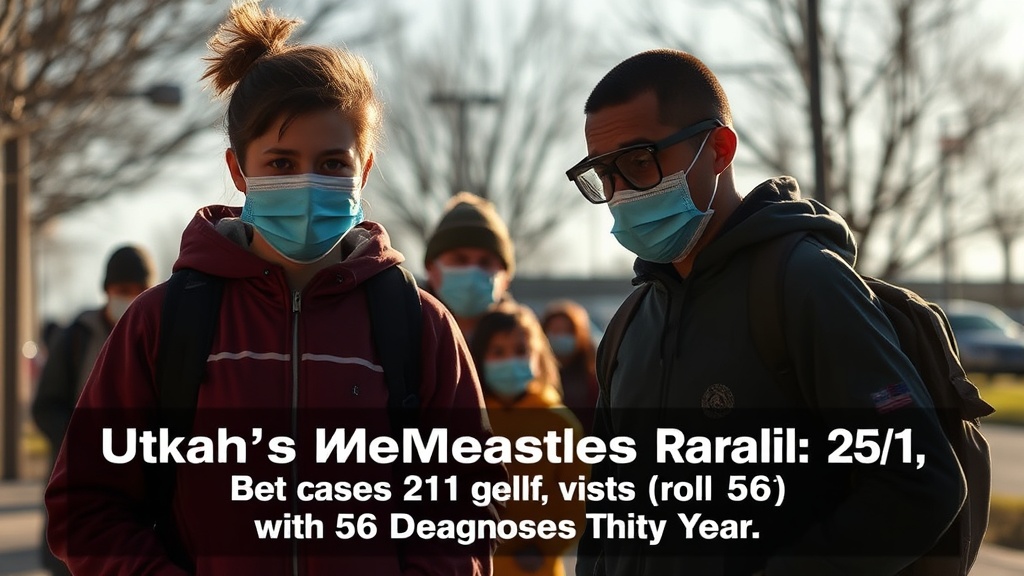
As of Tuesday, Utah's Department of Health has reported a staggering total of 251 measles cases during the current outbreak, with 56 of those cases identified in the year 2026 alone. This alarming increase highlights a growing public health concern as health officials work tirelessly to combat the spread of the highly contagious virus.
The outbreak, which began earlier this year, has prompted extensive investigations and public health initiatives aimed at controlling the situation. Health officials noted that the majority of the recent cases have been linked to unvaccinated populations, underscoring the importance of vaccination in preventing such outbreaks. "Vaccination is the most effective way to prevent the spread of measles," said Dr. Angela Dunn, the state epidemiologist. "We urge parents to ensure that their children are fully vaccinated according to the recommended schedule."
Measles is a viral infection that can lead to severe complications, including pneumonia, encephalitis, and even death, particularly in young children and immunocompromised individuals. The disease spreads through respiratory droplets when an infected person coughs or sneezes, and it can remain airborne for up to two hours in an area where an infected person has been present. This makes measles particularly challenging to control, especially in communities where vaccination rates are low.
In response to the outbreak, officials have ramped up their vaccination campaigns across the state. Free vaccination clinics have been set up in various locations, including schools and community centers, to make it easier for families to access the MMR (measles, mumps, and rubella) vaccine. "We are committed to making vaccines accessible to everyone, especially those in high-risk areas," stated Dr. Dunn.
Despite these efforts, the rise in cases has raised concerns about vaccine hesitancy among certain groups. A recent survey conducted by the Utah Department of Health found that misinformation surrounding vaccines has led to a significant portion of the population questioning the safety and efficacy of immunizations. This trend is particularly pronounced in communities with historical skepticism towards vaccines, which has contributed to lower vaccination rates and, consequently, the resurgence of preventable diseases like measles.
The implications of this outbreak extend beyond individual health. Public health experts warn that continued outbreaks could lead to increased healthcare costs and strain on medical resources. Hospitals may face challenges in treating not only measles cases but also other patients, as healthcare providers allocate resources to manage the outbreak.
Local health departments are urging community members to spread accurate information about vaccination and to encourage friends and family to get vaccinated. "It's crucial that we support one another in making informed health decisions that protect our community," said Julie Smith, a community health advocate.
In addition to vaccination efforts, health officials are also focusing on education and outreach. Campaigns aimed at dispelling myths about vaccines are being launched across social media platforms and in local communities. Engaging with local influencers and trusted community leaders has been identified as a key strategy to reach hesitant populations.
As of now, the state is also monitoring cases linked to travel, as measles outbreaks are often imported from other regions or countries with lower vaccination coverage. Travelers are urged to check their vaccination status before embarking on trips, especially to areas experiencing outbreaks. Public health officials emphasize that the best defense against measles is to ensure that all individuals, especially children, are vaccinated on time.
Health authorities remain on high alert as they track the progress of the outbreak and work to prevent further spread. "We are closely monitoring the situation and will continue to adapt our strategies as necessary," Dr. Dunn added.
With the number of measles cases continuing to rise, Utah's health officials stress the importance of community cooperation in eradicating the virus. The current outbreak serves as a critical reminder of the vital role that vaccines play in protecting not only individual health but also public health as a whole. As the state navigates this public health challenge, the hope remains that increased awareness and vaccination efforts will turn the tide against this resurgence of measles, ensuring a healthier future for all Utah residents.