Utah's Measles Outbreak Surpasses 200 Cases: Health Officials Urge Vaccination
Utah's measles outbreak has reached 201 confirmed cases, prompting health officials to urge vaccinations and enhance public awareness efforts.
The Utah Department of Health and Human Services (DHHS) has confirmed two new cases of measles, bringing the statewide total to 201 cases as of this week. This alarming increase marks a significant health crisis in the state, with public health officials emphasizing the importance of vaccination as a critical measure to curb the outbreak.
The recent surge in measles cases has raised concerns among health professionals and community leaders across Utah. The latest confirmed cases were reported in Salt Lake County, where health officials are conducting thorough investigations to identify potential sources of exposure and to implement control measures. The DHHS has been actively tracing contacts of infected individuals to prevent further transmission, which is crucial given the highly contagious nature of the virus.
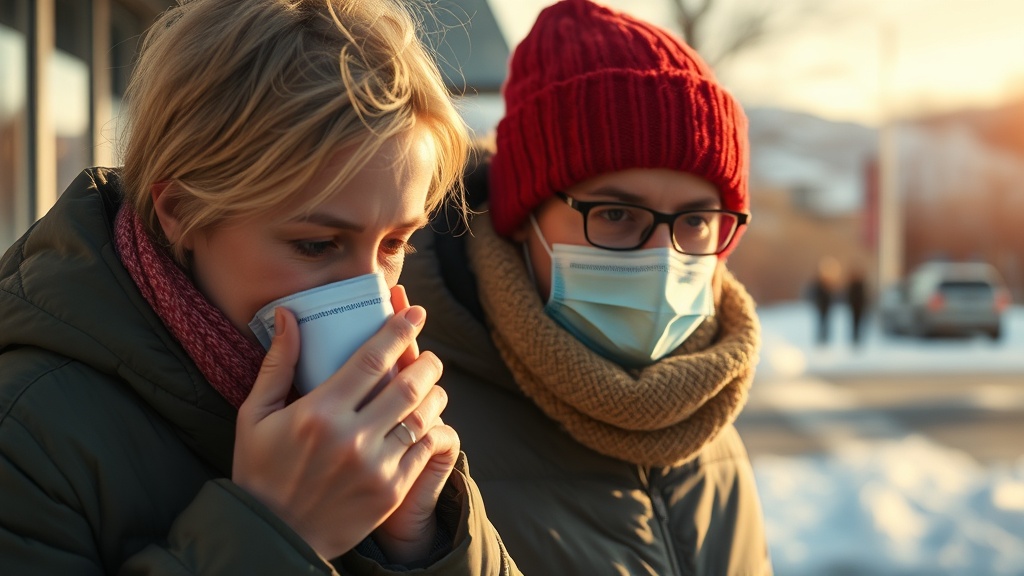
Measles is a viral infection that can lead to severe complications, including pneumonia, encephalitis, and even death. The disease spreads through respiratory droplets when an infected person coughs or sneezes, and it can remain airborne for up to two hours, making it easy for the virus to spread in enclosed spaces. The current outbreak in Utah has prompted health experts to issue strong warnings to communities about the importance of herd immunity, which is achieved when a significant portion of the population is vaccinated against the disease.
Dr. Angela Dunn, the state epidemiologist, stated, "Measles is one of the most contagious diseases we know. The best way to protect yourself and those around you is to get vaccinated. We urge anyone who has not received the measles, mumps, and rubella (MMR) vaccine to do so immediately, especially if they are planning to travel or spend time in crowded places."
Utah's measles outbreak is not an isolated incident; the state has seen a gradual increase in vaccine hesitancy in recent years, contributing to lower vaccination rates. According to the Centers for Disease Control and Prevention (CDC), the MMR vaccine is 97% effective in preventing measles when two doses are administered. However, Utah's vaccination rates have fallen below the recommended threshold for herd immunity in certain communities, putting them at greater risk for outbreaks like the current one.
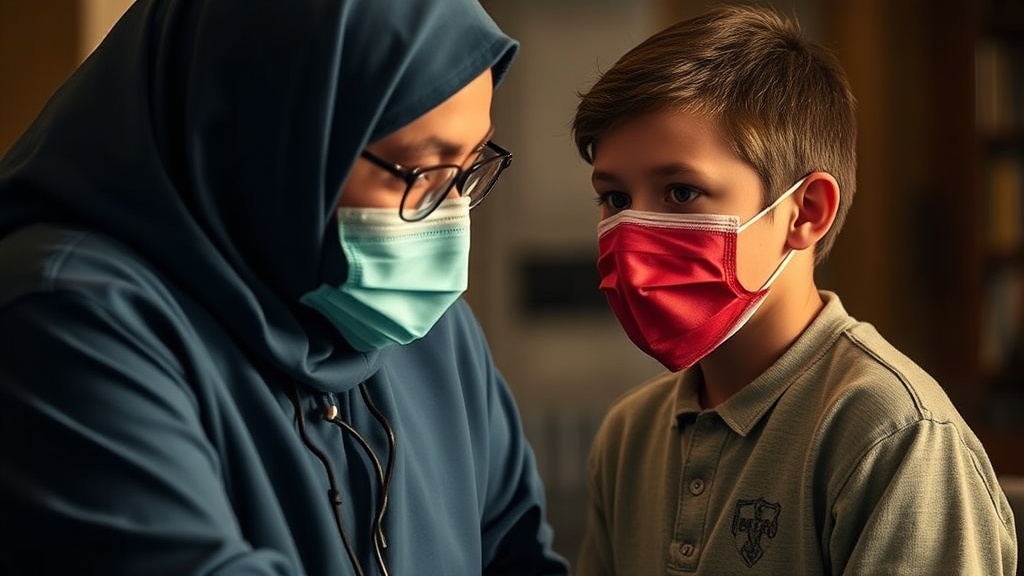
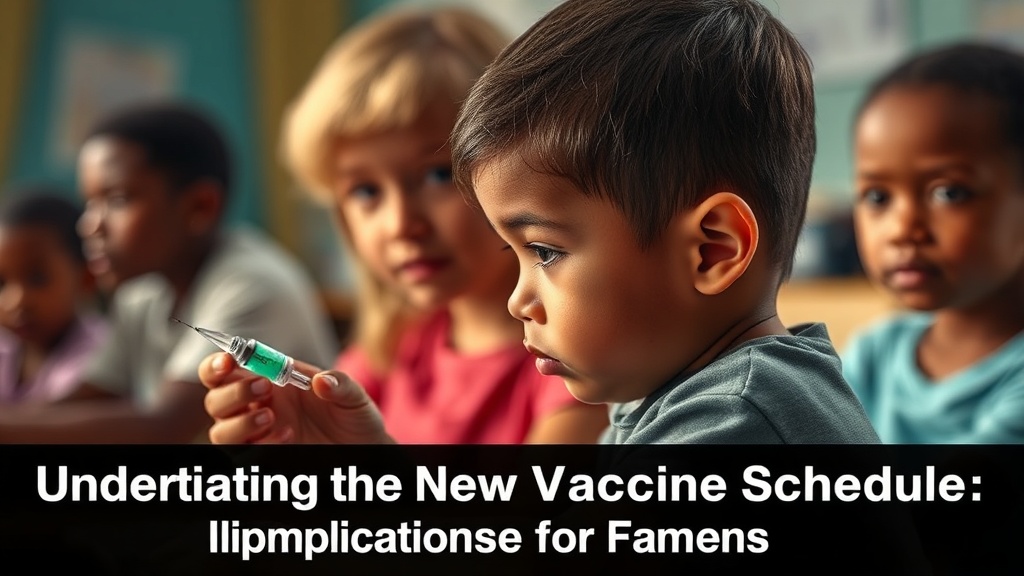
In response to the outbreak, the DHHS has launched an awareness campaign aimed at educating parents and caregivers about the importance of vaccinations. The campaign includes community forums, social media outreach, and collaborations with local healthcare providers to dispel myths surrounding vaccines and address concerns. Health officials are also working closely with schools, daycare centers, and community organizations to ensure that children are up to date on their vaccinations.
The outbreak has also sparked discussions among policymakers about the need for stricter vaccination laws in Utah. Some lawmakers are considering measures that would require vaccinations for children attending public schools, with exemptions only granted for medical reasons. Proponents of these measures argue that such laws are essential for protecting public health, while opponents raise concerns about personal freedoms and parental rights.
In addition to vaccination efforts, public health officials are urging residents to remain vigilant for symptoms of measles, which include high fever, cough, runny nose, and a distinctive rash that usually appears three to five days after the initial symptoms. Anyone exhibiting these symptoms, especially if they have been in contact with an infected individual, is advised to contact their healthcare provider and avoid public places to prevent further spread of the virus.
As the outbreak continues to evolve, health officials are closely monitoring the situation and are prepared to implement additional measures as necessary. They emphasize the importance of community cooperation in controlling the outbreak and protecting vulnerable populations, such as infants and immunocompromised individuals who cannot receive vaccinations.
The current outbreak serves as a critical reminder of the importance of vaccinations in safeguarding public health. With the number of confirmed cases climbing, Utahns are urged to take immediate action by ensuring they and their families are vaccinated against measles. As health officials continue their efforts to combat the outbreak, the community's response will play a significant role in determining the trajectory of this public health crisis.
In conclusion, the recent uptick in measles cases in Utah underscores the ongoing challenges of vaccine hesitancy and the necessity of community health initiatives. The DHHS remains committed to protecting the health and well-being of all Utahns as they navigate this challenging outbreak. Vaccination, education, and public cooperation will be key to overcoming this public health emergency and preventing future outbreaks.