Utah's Measles Outbreak Surges Past 200 Cases: Health Officials Respond
Utah sees a surge in measles cases, rising to 201. Health officials urge vaccination to combat the outbreak.
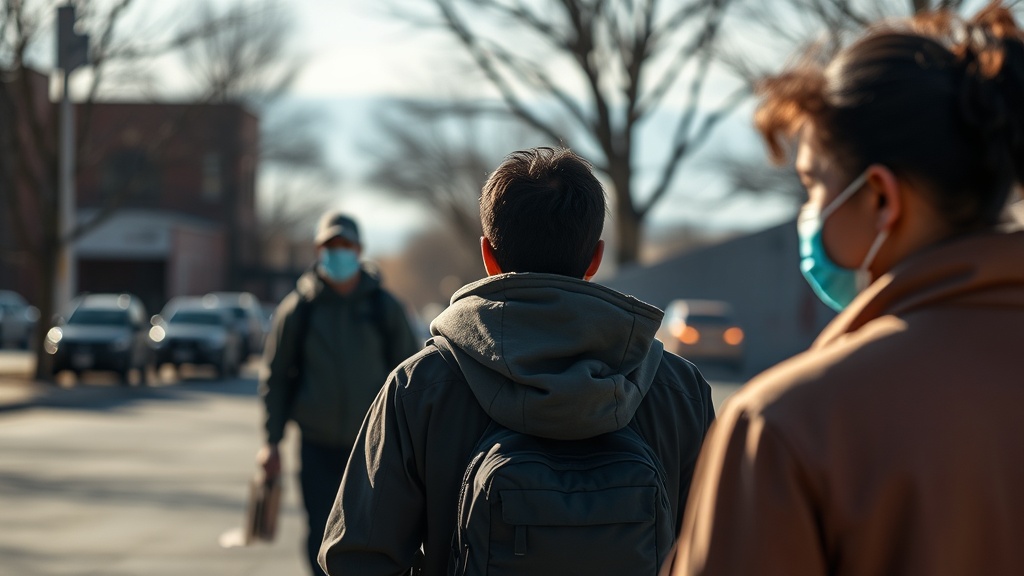
As of this week, Utah has reported a total of 201 confirmed cases of measles, marking a significant increase in infections across the state. The southwest region, particularly Salt Lake County, has seen the highest concentration of cases, prompting health officials to take urgent measures to control the outbreak. The current surge is not only alarming public health officials but also raising concerns among residents about the safety of their communities.
Measles, a highly contagious viral disease, can lead to severe complications, including pneumonia, encephalitis, and even death. According to the Centers for Disease Control and Prevention (CDC), the virus can linger in the air for up to two hours after an infected person has left the area, making it particularly challenging to contain. Health experts emphasize the importance of vaccination as the most effective way to prevent the spread of measles. However, a growing number of parents are opting out of vaccinations for their children, leading to higher risks of outbreaks.
The Utah Department of Health has been actively monitoring the situation, and officials are urging parents to ensure that their children are up-to-date on their vaccinations. Dr. Angela Dunn, the state epidemiologist, stated, "Vaccination is our best defense against measles. We strongly encourage families to check their children's immunization records and take action if they are not fully vaccinated."
In addition to vaccination campaigns, local health departments are conducting outreach efforts to educate the public about the importance of herd immunity and the risks associated with measles. Health officials have also increased surveillance in communities with lower vaccination rates, conducting door-to-door visits and providing informational materials. These efforts aim to dispel myths surrounding vaccines and encourage families to make informed decisions.
The current outbreak has been linked to several unvaccinated individuals who traveled outside the state, where measles is more prevalent. Upon returning to Utah, these individuals unknowingly spread the virus, leading to a cascade of new infections. In an effort to contain the outbreak, health officials have identified and quarantined individuals who may have been exposed to the virus, as well as those who have tested positive.
The implications of this outbreak extend beyond health concerns, impacting local schools and community events. Many schools in the affected areas are now implementing stricter vaccination policies, and some have even temporarily closed to prevent further spread. Community gatherings and events have also been canceled or postponed as a precautionary measure.
Parents are understandably concerned about the safety of their children in light of the outbreak. Local parent Sarah Thompson shared her worries, stating, "I’ve always been cautious about vaccinations, but this outbreak has me reconsidering my stance. I want to keep my kids safe, and it’s scary to think about how quickly this disease can spread."
The outbreak has also reignited discussions about the importance of vaccines in public health. Experts argue that while vaccines have been proven to be safe and effective, misinformation continues to circulate, leading some to hesitate in vaccinating their children. Dr. Dunn highlighted this issue, saying, "We need to combat misinformation with facts. Vaccines save lives, and we cannot afford to let fear dictate our health decisions."
As the situation continues to evolve, health officials remain vigilant, monitoring the spread of the virus and implementing measures to protect public health. They urge anyone who believes they may have been exposed to measles to contact their healthcare provider immediately and to stay informed through reliable sources.
In conclusion, as Utah grapples with this significant measles outbreak, the importance of vaccination cannot be overstated. Public health officials are working tirelessly to educate the community, promote vaccination, and contain the spread of the virus. For the safety of all Utah residents, it is critical that families prioritize the health of their children and contribute to the broader effort of achieving herd immunity against this highly contagious disease.