Flu Season or Poor Air Quality? Understanding Health Risks in Utah
Northern Utah faces health risks from winter inversion; flu symptoms may mimic pollution effects.
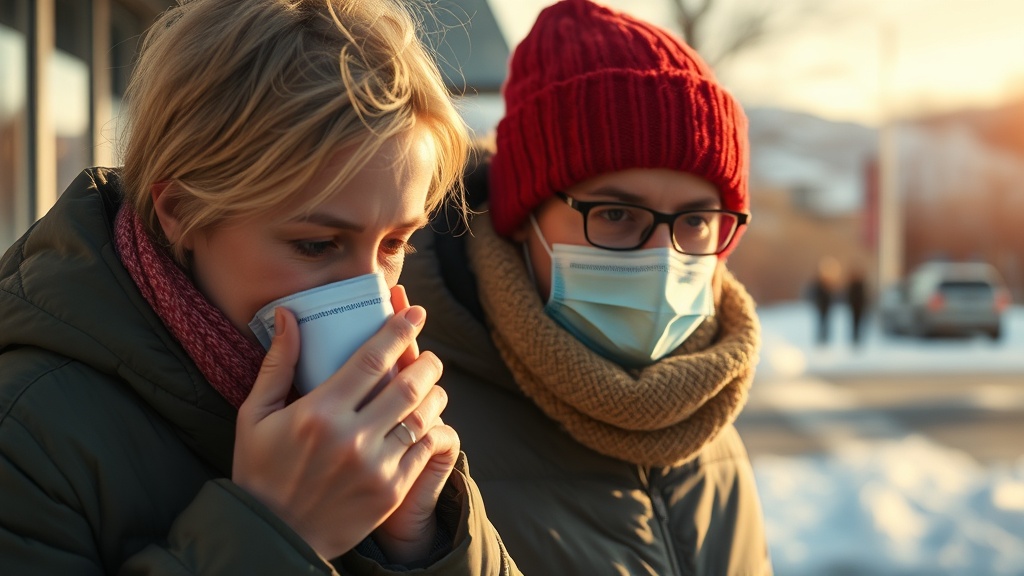
SALT LAKE CITY, Utah — As a thick blanket of winter inversion settles over northern Utah, health officials are raising alarms about the deteriorating air quality and its potential effects on residents and their pets. The inversion, a meteorological phenomenon that traps cold air near the ground, has created a stagnant atmosphere, leading to heightened levels of pollution that can pose serious health risks.
Dr. Brian Moench, a prominent figure with Utah Physicians for a Healthy Environment, has been studying the implications of inversion-related pollution. He points out that the current air quality is not just an aesthetic concern; it carries grave health implications. "It’s a beautiful place, and it’s so sad that on days like today, you can’t see it," Dr. Moench lamented, referring to the obscured views of the Oquirrh Mountains that would normally be visible on clearer days.
The pollutants trapped in the valley’s cold air are not merely an eyesore. Dr. Moench likens inhaling this polluted air to smoking cigarettes, emphasizing its detrimental effects on health both in the short term and long term. "If you were to open your water tap and your water came out brown and murky, you wouldn’t drink it. Yet we’re stuck here with air that we have to breathe that is brown and murky," he explained. The health effects can manifest quickly, often within days, and may include symptoms such as headaches, sinus pain, and nasal irritation.
During flu season, these symptoms can sometimes be mistaken for those caused by viral infections, complicating matters for residents trying to gauge their health. Dr. Moench stressed the importance of taking any respiratory changes seriously. He noted the key differences between flu symptoms and those caused by poor air quality: while the flu typically includes fatigue, fever, and muscle aches, symptoms related to air pollution often present as respiratory issues like coughing and throat irritation.
The implications of the inversion extend beyond human health. Kimberly Claus, a veterinarian with Mountain West Veterinary Specialists, highlights that pets are also at risk from worsening air quality. "Just like people, our pets are going to have some potential issues when the air quality gets worse," Claus noted. She is particularly concerned about chronic respiratory diseases that can be exacerbated by polluted air.
Pets with pre-existing respiratory conditions are especially vulnerable. Claus advises pet owners to be vigilant for warning signs, which may include an increased breathing rate, more frequent coughing, or unusual lethargy. She emphasized, "If you can’t calm them down, they need to come into the ER." This reinforces the notion that both human and animal health can be significantly impacted by the current environmental conditions.
Health experts recommend that residents limit outdoor activities for both themselves and their pets until air quality improves. The Utah Department of Environmental Quality (DEQ) has been actively monitoring air quality levels and issues daily reports. Residents are encouraged to stay informed through local news outlets and the DEQ’s air quality website to understand when it is safe to go outside.
The situation draws attention to the ongoing challenges Utah faces regarding air quality, especially during the winter months when inversions are common. These atmospheric conditions not only affect visibility but also contribute to a range of health issues that can strain local healthcare resources. Public health officials continue to advocate for policy changes to address air quality concerns, emphasizing the need for community engagement and cooperation to mitigate these environmental hazards.
As northern Utah grapples with this dual threat of flu season and poor air quality, residents are reminded to practice self-care and to remain vigilant. Monitoring one’s health, staying indoors when air quality is poor, and seeking medical advice when necessary can help mitigate the impact of both the flu and pollution. This winter, as the inversion continues to affect the region, the importance of understanding these health risks has never been more critical.