Flu Cases Surge in Northern Utah: Experts Urge Immediate Vaccination
Flu cases in northern Utah are surging, prompting health officials to urge vaccinations and preventive measures to safeguard public health.
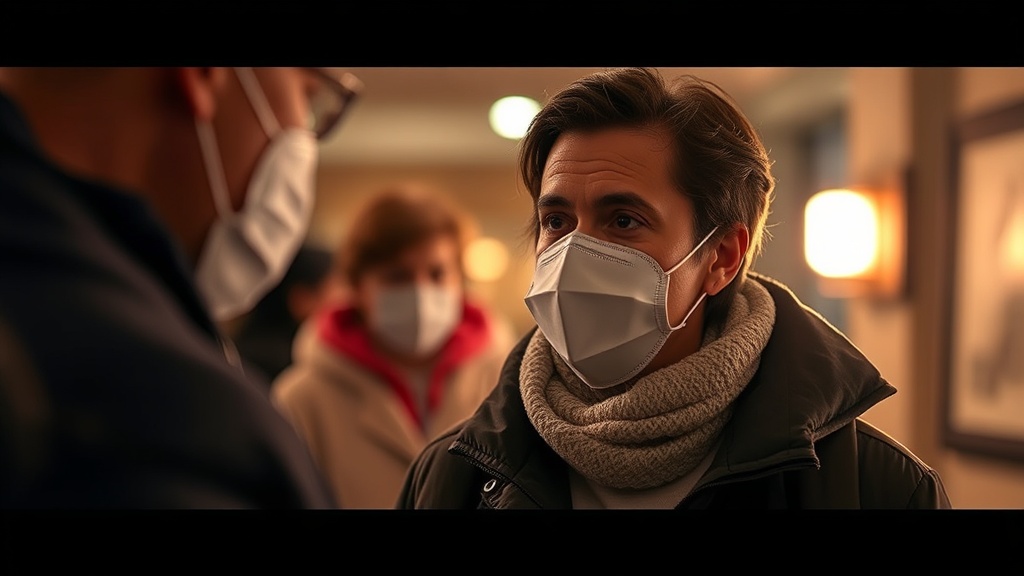
Flu cases are rising sharply across Utah, particularly in the northern regions, prompting health officials to stress the importance of vaccination and preventive measures. According to recent data from the Utah Department of Health and Human Services (DHHS), the state has seen a significant uptick in influenza cases compared to previous years, indicating a potential outbreak that could impact residents throughout the winter months.
As of mid-October, the DHHS reported a nearly 150% increase in flu cases compared to the same time last year. This surge has raised alarms among health officials, particularly as the flu season typically peaks between December and February. "We are seeing numbers that suggest we could be in for a particularly challenging flu season," said Dr. Angela Dunn, the state's epidemiologist. "Vaccination is our best defense against severe illness and hospitalizations, and we urge everyone to get their flu shot as soon as possible."
The increase in flu cases has coincided with a broader trend observed nationwide, where the Centers for Disease Control and Prevention (CDC) has reported elevated levels of flu activity across many states. Health experts attribute this spike to a combination of factors, including the easing of COVID-19 restrictions and a general decline in immunity levels as fewer people were exposed to the virus during the pandemic.
In Utah, the DHHS has implemented several initiatives to encourage vaccinations. Free flu shot clinics are being organized in schools, community centers, and pharmacies, making it easier for residents to access vaccines. "We want to remove barriers for people who might otherwise hesitate to get vaccinated," said Dr. Dunn. "The flu vaccine is safe, effective, and the most effective way to protect not just yourself, but also those around you who may be more vulnerable."
The symptoms of the flu often mimic those of other respiratory illnesses, making it crucial for individuals to recognize the signs early. Common symptoms include fever, chills, cough, sore throat, body aches, and fatigue. Health officials advise anyone experiencing these symptoms to stay home and seek medical advice, especially if they are in high-risk groups such as the elderly, young children, or individuals with underlying health conditions.
In addition to vaccination, health experts recommend several preventive measures to help curb the spread of the virus. Regular handwashing, wearing masks in crowded places, and maintaining social distancing are all effective strategies. "We learned a lot during the pandemic that can be applied to the flu season," Dr. Dunn noted. "Simple hygiene practices can go a long way in keeping our communities healthy."
Concerns about the flu season are compounded by the ongoing presence of COVID-19 and other respiratory viruses like RSV (respiratory syncytial virus). Health officials are particularly worried about the potential for co-infection, which can lead to more severe health complications. Hospitals in the region have already begun preparing for increased patient volumes that could arise during the peak of flu season.
Community leaders are stepping up efforts to raise awareness about the importance of vaccination and preventive health measures. Local health departments are distributing flyers, utilizing social media campaigns, and hosting informational sessions to educate residents about the flu and its potential impact. "We want people to understand that vaccination is not just a personal choice; it’s a community responsibility," said Karen Johnson, a public health advocate in Salt Lake City. "By getting vaccinated, you’re helping to protect those who can’t be vaccinated, including infants and those with compromised immune systems."
Despite the rising flu cases, there is some optimism as health officials emphasize the effectiveness of the current flu vaccine. The vaccine has been shown to reduce the severity of illness in those who do contract the virus and can significantly lower the risk of hospitalization. "Every year, the flu vaccine is updated based on the strains predicted to be most prevalent, and this year is no different," noted Dr. Dunn. "Getting vaccinated not only protects you but also helps to reduce the overall burden on our healthcare system."
As the flu season progresses, health officials will continue to monitor the situation closely, adjusting public health recommendations as necessary. They are urging residents to stay informed and proactive in their health decisions. "We can’t predict the future, but we can prepare for it," said Dr. Dunn. "By getting vaccinated and practicing good health habits, we can reduce the impact of the flu and keep our community safe."
In conclusion, the rise in flu cases in northern Utah serves as a critical reminder of the importance of preventive health measures. Vaccination remains a key strategy in combating the flu virus, and health officials are hopeful that with community cooperation and awareness, the upcoming flu season can be managed effectively. Residents are encouraged to take action now to protect themselves and their loved ones as winter approaches.