Utah's Major Headlines of 2025: A Comprehensive Review of the Year
2025 was a pivotal year for Utah, marked by significant events in education, health, and culture.
As 2025 draws to a close, Utah has witnessed a year filled with significant events that have shaped its communities, economy, and culture. From groundbreaking legislation to environmental initiatives and sports triumphs, each month brought with it stories that resonated deeply within the Beehive State. ABC4 takes a closer look at the most impactful stories from each month of this remarkable year.
January kicked off with the unveiling of a new state budget by Governor Spencer Cox, which focused heavily on education and mental health initiatives. The budget allocated an unprecedented $1.2 billion to K-12 education, aiming to address teacher shortages and improve facilities statewide. Governor Cox emphasized the importance of investing in future generations during a press conference, stating, “Our children deserve the best education we can provide. This budget reflects our commitment to their future.” This move sparked discussions among educators and parents alike, who welcomed the financial support but highlighted the need for effective implementation and accountability.
In February, Utah made headlines as the state legislature passed a landmark bill aimed at expanding renewable energy sources. The legislation mandated that by 2030, 50% of the state's energy must come from renewable sources, such as solar and wind. Advocates for clean energy celebrated the bill as a crucial step toward combating climate change. "We are leading the way for a sustainable future in Utah," said Senator Jim Dabakis, a key sponsor of the bill. However, critics raised concerns about the feasibility of such ambitious goals, pointing to the state’s dependence on fossil fuels.
March was a pivotal month for the Utah Jazz, who made a deep playoff run in the NBA. The team, led by star player Lauri Markkanen, captivated fans with an exhilarating series of games. The Jazz's performance not only boosted team morale but also had a significant economic impact on local businesses. Sports bars and restaurants reported increased foot traffic, while local hotels saw a surge in bookings from out-of-town fans. Jazz head coach Will Hardy noted, “Our team has shown resilience and determination. The support from our fans has been incredible.”
April saw Utah grappling with a major public health crisis as a new strain of influenza swept through the state. Hospitals reported a surge in cases, prompting health officials to issue warnings and encourage vaccinations. The Utah Department of Health organized vaccination drives and educational campaigns to mitigate the outbreak's effects. Dr. Angela Dunn, the state epidemiologist, urged residents to take preventive measures, stating, “We need to work together to protect our communities. Vaccination is our best defense.” The crisis underscored existing concerns about public health preparedness in the state.
In May, the Utah State University (USU) made headlines for its groundbreaking research in agriculture technology. The university’s innovative drone program, which focuses on precision farming techniques, garnered national attention. Researchers demonstrated how drones equipped with advanced sensors could monitor crop health and optimize irrigation. Dr. Laura Vance, head of the program, remarked, “This technology has the potential to revolutionize how we approach farming, making it more efficient and sustainable.” The initiative not only positioned USU as a leader in agricultural research but also drew interest from investors looking to support sustainable farming practices.
June brought a momentous cultural celebration as Salt Lake City hosted the Pride Festival, marking the 50th anniversary of the Stonewall riots. Thousands gathered to celebrate LGBTQ+ pride and equality, with events ranging from parades to workshops. Activists highlighted the ongoing struggles for equality and acceptance, while local leaders emphasized the importance of inclusivity in Utah’s diverse communities. Governor Cox attended the festival, stating, “We are proud of our LGBTQ+ community and will continue to fight for their rights.” This event showcased Utah’s evolving cultural landscape and the growing acceptance of LGBTQ+ individuals.
As summer rolled into July, Utah experienced its hottest month on record, leading to severe drought conditions across the state. Water conservation efforts became a top priority for residents and local governments. The state implemented strict water-use restrictions and launched educational campaigns on sustainable water practices. Governor Cox declared a state of emergency, emphasizing the urgency of the situation. “We are facing a crisis that requires immediate action from every citizen,” he stated during a press briefing. The drought not only impacted agriculture but also raised concerns about water supply for urban areas.
In August, a major breakthrough in transportation occurred with the launch of a new electric bus fleet in Salt Lake City. This initiative aimed to reduce carbon emissions and promote public transportation usage. City officials celebrated the launch, highlighting the environmental benefits and potential for improved air quality. Mayor Erin Mendenhall remarked, “This is a significant step toward a greener future for our city.” The initiative received widespread support from environmental groups and residents who champion sustainable urban development.
September saw Utah welcome thousands of visitors for the annual Sundance Film Festival, which showcased independent films from around the world. The festival reported record attendance, highlighting Utah's role in the film industry and its cultural significance. Filmmakers and actors praised the festival for its commitment to diversity and representation in storytelling. Festival director Tabitha Jackson stated, “Sundance continues to be a platform for voices that need to be heard.” The event not only bolstered the local economy but also reaffirmed Utah’s status as a cultural hub.
October brought a significant political development as Utah held its gubernatorial elections. Incumbent Governor Cox faced strong challenges from various candidates, leading to a highly contested race. Debates focused on key issues such as education reform, healthcare, and environmental policies. The elections underscored the shifting political landscape in Utah, with younger voters becoming increasingly engaged. Political analyst Jennifer Smith noted, “This election reflects a growing demand for change among Utah residents.” The results would have far-reaching implications for the state's direction in the coming years.
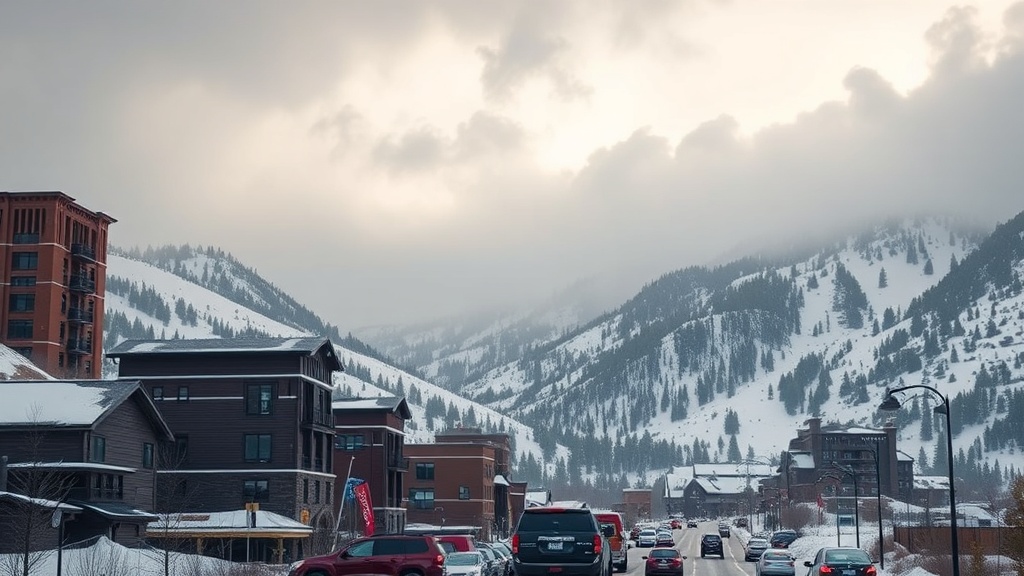
As the year came to a close in November, Utah faced a severe winter storm that disrupted travel and prompted emergency responses statewide. Snowfall records were shattered, leading to hazardous road conditions and power outages. State officials worked diligently to ensure public safety, coordinating with emergency services and utility companies. The storm served as a reminder of Utah’s vulnerability to extreme weather and the importance of disaster preparedness.
Finally, December concluded the year with a focus on community service, as various organizations launched initiatives to support families in need during the holiday season. Food drives, toy donations, and volunteer efforts flourished across the state, showcasing the resilience and compassion of Utahns. Local leaders praised the community’s spirit, emphasizing the importance of coming together during challenging times.
In reflecting on the events of 2025, it is clear that Utah has navigated a year filled with challenges and triumphs. The stories of resilience, innovation, and community spirit will undoubtedly shape the state’s future as it moves into 2026 and beyond. The diverse array of events has not only highlighted the unique characteristics of Utah but also the collective will of its residents to adapt and thrive in an ever-changing world.