Utah's Inversion Conditions Persist, Air Quality Shows Signs of Improvement
Despite persistent inversion conditions, Utah experiences slight air quality improvements this week, with potential changes ahead.
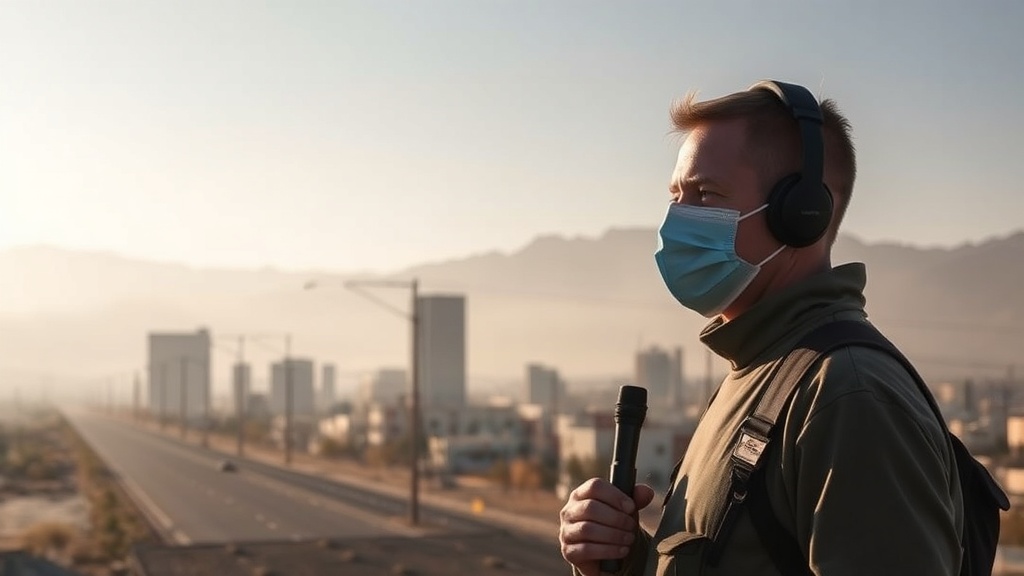
As Utahns begin the workweek, they will continue to grapple with a persistent inversion setup that has characterized the region’s winter weather. However, there is a silver lining: air quality has shown slight improvements compared to last week, offering a glimmer of hope for residents concerned about the health impacts of pollution. The inversion, a meteorological phenomenon that traps cold air and pollutants close to the ground, remains a focal point for environmental officials and residents alike as they navigate the challenges of winter air quality.
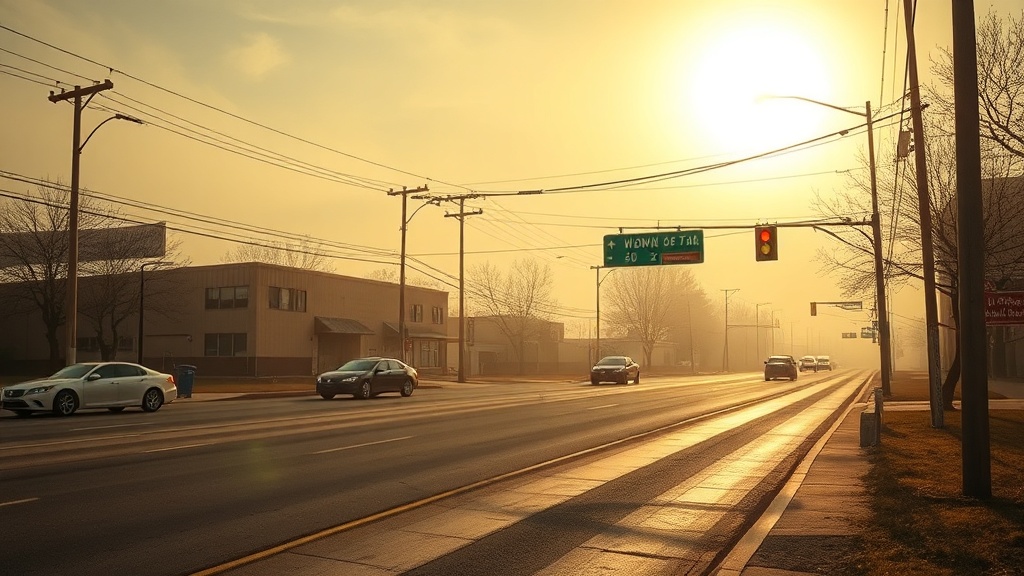
The National Weather Service (NWS) has reported that the inversion will linger in the Salt Lake Valley and surrounding areas, causing a haze that is expected to stick around through Thursday. This phenomenon occurs when a layer of warm air traps cooler air at the surface, causing stagnation and leading to the accumulation of pollutants. According to meteorologists, while temperatures are projected to remain above average, this stagnant air will contribute to reduced visibility and health concerns, particularly for vulnerable populations such as children, the elderly, and those with pre-existing respiratory conditions.
"Inversions can significantly impact air quality, and we're seeing that reflected in our daily air quality readings," said John Smith, a meteorologist with the NWS. "It's important for residents to be aware of these conditions and to take precautions, especially when air quality is at its worst."
The Utah Department of Environmental Quality (DEQ) has recently issued air quality advisories, urging residents to limit outdoor activities during times of poor air quality. The DEQ’s air quality index (AQI) has fluctuated, but the overall trend this week indicates improved conditions, with levels moving from the 'unhealthy' range to 'moderate' in many areas. This change is attributed to recent weather patterns that have brought slightly increased winds and precipitation, helping to clear some of the accumulated pollutants.
Despite the temporary respite in air quality, experts warn that the inversion's effects are far from over. The haze that envelops the valley not only affects visibility but also has serious implications for health. Particulate matter and other pollutants can exacerbate respiratory issues and contribute to cardiovascular problems. The DEQ continues to monitor the situation closely, providing daily updates to keep the public informed about air quality levels.
As the week progresses, meteorologists are forecasting a potential change in the weather pattern that could finally bring an end to the inversion. Predictions suggest that a cold front may sweep through the area, bringing cooler temperatures and precipitation that could effectively disperse the stagnant air. "We’re hopeful that this change will lead to improved air quality conditions by the end of the week," Smith noted.
The potential shift in weather comes as many Utah residents are eager for a resolution to the inversion conditions that have plagued the region. Local businesses, particularly those in the outdoor recreation and tourism sectors, have felt the impact of poor air quality. Many residents have postponed outdoor activities due to health concerns, leading to decreased foot traffic in parks and recreational areas.
Local health officials are advocating for community awareness and proactive measures to mitigate the health impacts of poor air quality. Educational campaigns have been launched to inform residents about the importance of staying indoors during high pollution days and using air purifiers at home. "It’s essential for everyone to stay informed and to take the necessary precautions to protect their health, especially during peak inversion periods," said Mary Johnson, a public health official with the Utah Department of Health.
Looking ahead, the Utah state government is also exploring long-term solutions to combat persistent air quality issues. Initiatives aimed at reducing vehicle emissions, promoting public transportation, and increasing green spaces are all part of a broader strategy to improve air quality in the region. As climate change continues to exacerbate weather-related issues, these efforts are becoming increasingly critical.
In conclusion, while Utah faces a challenging week with a stubborn inversion setup affecting air quality, there are signs of improvement on the horizon. With a potential weather change coming soon, residents are encouraged to stay informed and take necessary precautions to safeguard their health. The ongoing commitment from local officials and health organizations to address air quality issues highlights the importance of community awareness and proactive measures in safeguarding public health as the region navigates the complexities of winter air pollution.