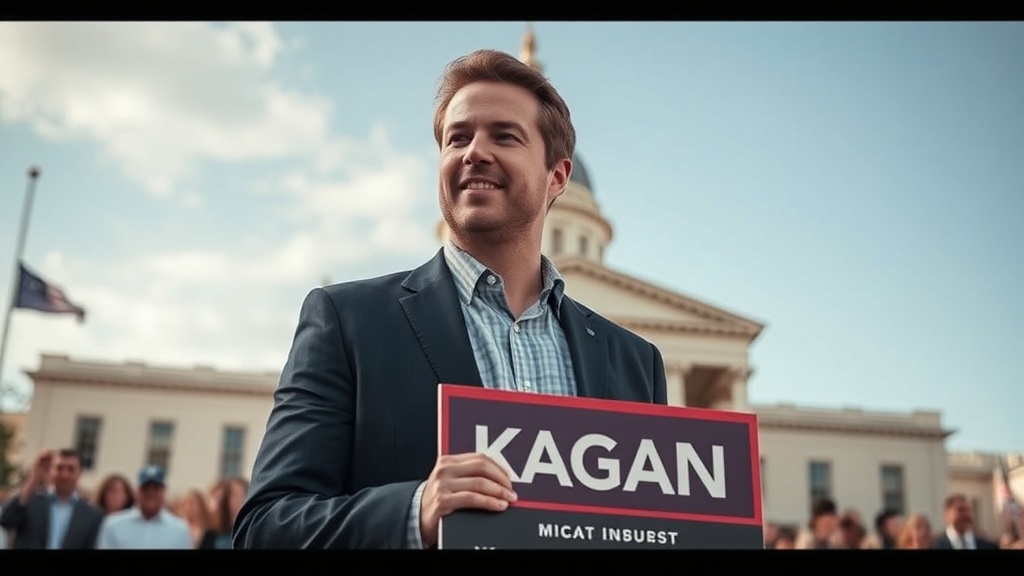
Utah's 2026 Election Landscape: Candidates and Key Races Emerging
Utah's 2026 election is taking shape with emerging candidates and key races, promising a competitive political landscape.
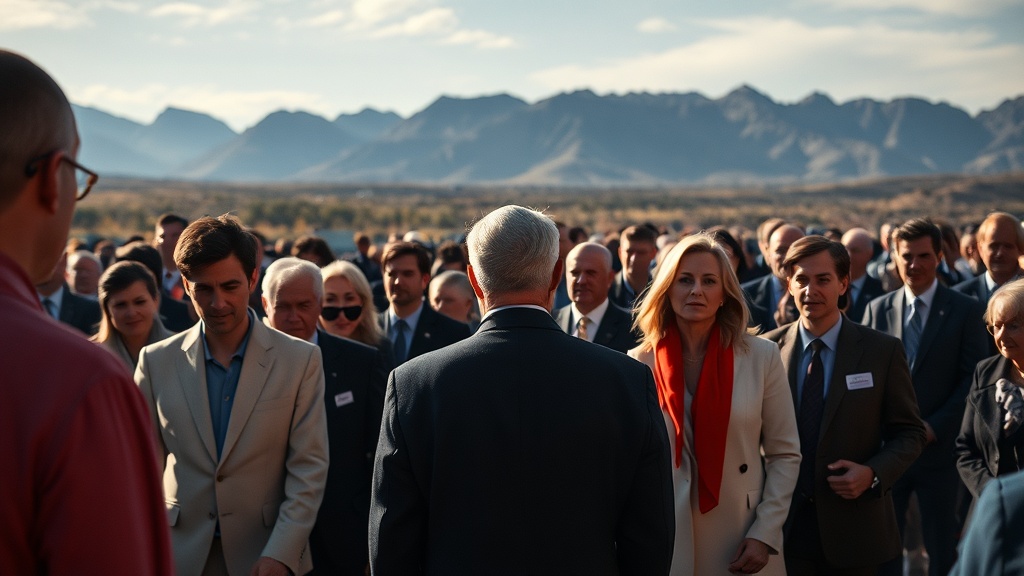
As the candidate filing period opens in Utah, the political landscape for the upcoming 2026 elections is beginning to take shape. With various key races on the horizon, potential candidates are stepping forward while others are opting out, setting the stage for what promises to be a highly competitive election cycle. From congressional seats to statewide offices, the ramifications of these decisions could significantly impact Utah's political direction.
In the realm of federal representation, the race for Utah’s four congressional districts is capturing attention. Incumbent representatives are evaluating their prospects for re-election while potential challengers are strategizing their bids. Notably, Representative Chris Stewart, who has served the state's 2nd district since 2013, has yet to announce his intentions. His decision will be pivotal; if he chooses to retire, it could trigger a wave of candidates eager to fill a potentially open seat.
In the 1st congressional district, Representative Blake Moore is facing increasing scrutiny from both sides of the political spectrum. With the growing influence of more progressive constituents in his district, speculation is rife about who might challenge him in the primaries. Notable names being floated include former state legislator Rebecca Chavez-Houck, whose previous campaigns have garnered significant grassroots support. Her entry into the race would undoubtedly complicate Moore’s path to re-nomination.
On the statewide level, Governor Spencer Cox is expected to seek re-election. Since taking office in 2021, Cox has navigated various challenges, including the COVID-19 pandemic and statewide economic recovery efforts. His approach to governance has earned him both supporters and detractors, setting up a potentially fierce contest in 2026. As the governor seeks to solidify his legacy, the emergence of potential challengers from within the Republican party is anticipated, although none have officially declared their candidacy as of yet.
The race for Utah Attorney General is also heating up, with current Attorney General Sean Reyes indicating he may run for a third term. Reyes has been a prominent figure in Utah politics, particularly known for his stance on various legal issues including immigration and environmental policies. However, he could face challenges from within his party, particularly from those advocating for a more progressive agenda. The dynamics of this race will be closely monitored, especially given the growing concerns around climate change and public health laws.
In addition to state and federal races, the Utah State Legislature will see significant turnover, as several long-time incumbents have announced their retirements. This shift opens up opportunities for new candidates to emerge, reflecting changing demographic trends in the state. The growing influence of urban areas, particularly Salt Lake City and Provo, may lead to a more diverse set of candidates vying for legislative seats.
As the election cycle progresses, issues such as housing affordability, education reform, and healthcare access are expected to dominate the discourse among candidates. These topics resonate deeply with Utah voters, particularly in a state experiencing rapid growth and demographic shifts. Polling data suggests that voters are increasingly concerned about the cost of living and the quality of public services, which could play a significant role in shaping campaign strategies.
Moreover, the impact of national politics cannot be ignored. The broader political climate, including the campaigns of presidential candidates and their influence on local races, will likely affect voter turnout and engagement. Utah has leaned Republican in recent elections, but changing attitudes among younger voters could lead to unexpected outcomes.
Overall, the 2026 election in Utah is shaping up to be a pivotal moment for the state. With a mix of incumbents, potential challengers, and shifting demographics, the landscape is fluid and dynamic. As candidates continue to emerge and campaign strategies are developed, voters will have the opportunity to engage in a robust political dialogue about the future direction of their state.
In conclusion, the candidate filing period is just the beginning of what promises to be an exciting and consequential election cycle in Utah. As individuals declare their candidacies and the political landscape continues to evolve, it will be crucial for voters to stay informed and engaged. The decisions made in the 2026 elections will not only impact the immediate political landscape but also set the stage for future governance in Utah for years to come.