Utah Protesters Rally Against Trump Administration's Actions in Venezuela
Protesters in Salt Lake City rally against Trump's actions in Venezuela, urging legal and ethical considerations in U.S. foreign policy.
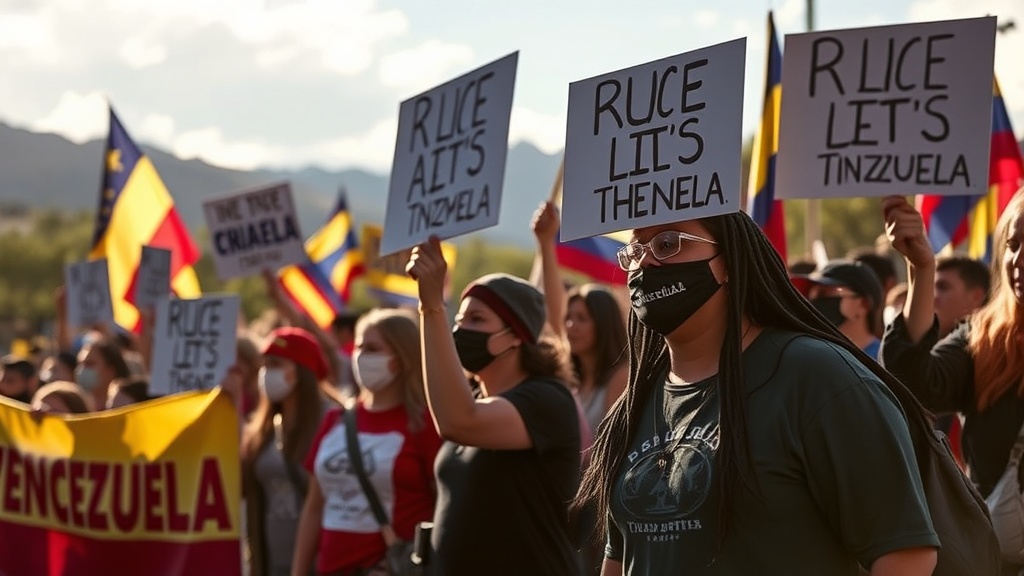
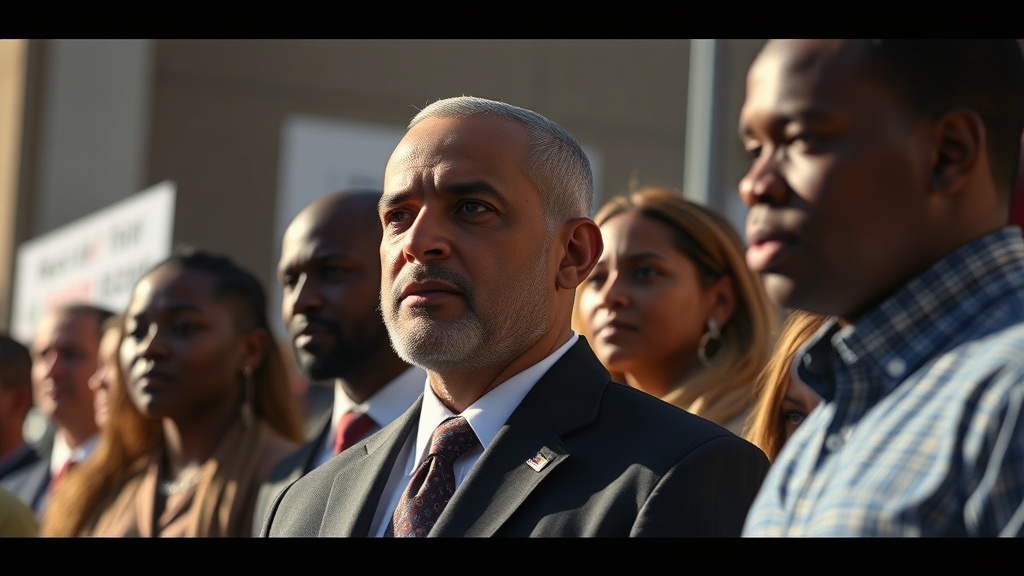
SALT LAKE CITY – A gathering of concerned Utahns took place on Monday at the federal building in downtown Salt Lake City, where demonstrators voiced their opposition to recent actions taken by the Trump administration regarding Venezuela. Organized by Salt Lake Indivisible, the rally aimed to bring attention to the U.S. government's controversial decision to deploy Special Forces for the apprehension of Venezuelan leader Nicolás Maduro, an action that many protesters argue raises significant legal and ethical concerns.
The event saw participants holding a variety of signs and engaging in discussions, as they called on Senators Mike Lee and John Curtis to reconsider the administration's approach to foreign policy in Venezuela. Protesters expressed their discontent not only with the lack of congressional approval for such military actions but also with the broader implications for U.S. relations with Latin America.
"I’m really upset about so many things that are happening in this country. This seems like just another trampling on the Constitution," remarked Sarah McConkie, who traveled from Eagle Mountain to participate in the protest. McConkie acknowledged Maduro's controversial leadership but emphasized the importance of adhering to constitutional protocols when engaging in military actions abroad. "Things have to be done in the way that we outline in the Constitution, and to just go in like that is really concerning to me," she added.
Jim Catano, another protester, echoed McConkie’s sentiments, expressing skepticism about the motivations behind the administration's actions. "Doing it under false pretenses, claiming it's for drugs, and really it being a ploy to take the oil reserves Venezuela has," he stated, indicating a belief that economic interests might be driving U.S. foreign policy decisions.
Among the crowd was Carlos Trujillo, an immigration attorney who has personal ties to Venezuela. Having moved to the U.S. from Venezuela 25 years ago, Trujillo articulated the frustration many feel regarding the legality of the U.S. military's involvement in foreign affairs. "With the fact that there was no congressional approval for this, there was also frustration that the law doesn’t provide that a president can just go into another country and take somebody the way that they did it," he explained.
Trujillo, who has closely monitored U.S. actions in Venezuela, expressed a mix of emotions regarding the apprehension of Maduro. "Many Venezuelans [and I] are extremely joyful in the fact that Maduro is facing justice, that he has been apprehended," he said. However, he also voiced concerns about the transition of power and the future of democracy in Venezuela, noting, "As far as the transition, as far as what is expected to take upon Venezuela, as far as democracy, a little bit concerning."
Trujillo's personal history adds depth to his perspective. In 2016, he assisted Josh Holt, an American who was detained in Venezuela under severe circumstances. Holt was accused of being a CIA agent, and the Venezuelan military had planted weapons and grenades to support these claims. After a two-year ordeal, Holt and his wife returned to the U.S. in 2018. Trujillo noted that the recent events in Venezuela provided some sense of relief for Holt and his family, who endured significant hardship during their detention. "It was a rough, tough time for them. They went through some despicable things that no human being should go through," he lamented.
As protesters wrapped up their demonstration, Trujillo shared a hopeful vision for the future. "We’re hoping that really, all countries can participate in the pressure of restoring democracy in Venezuela," he stated, expressing a desire for international cooperation to support the Venezuelan people in their quest for stability and democratic governance.
The protest in Salt Lake City is part of a larger national conversation about U.S. foreign policy and its implications for democracy and human rights in Latin America. As the situation in Venezuela continues to evolve, the voices of concerned citizens serve as a reminder of the importance of constitutional processes and international law in shaping U.S. actions abroad. The outcome of the current political climate in Venezuela remains uncertain, but the commitment of Utahns to engage in civic discourse highlights the critical role that public opinion plays in shaping government policy.