Utah Lawmakers Propose Bills to Regulate Technology in Schools for 2026
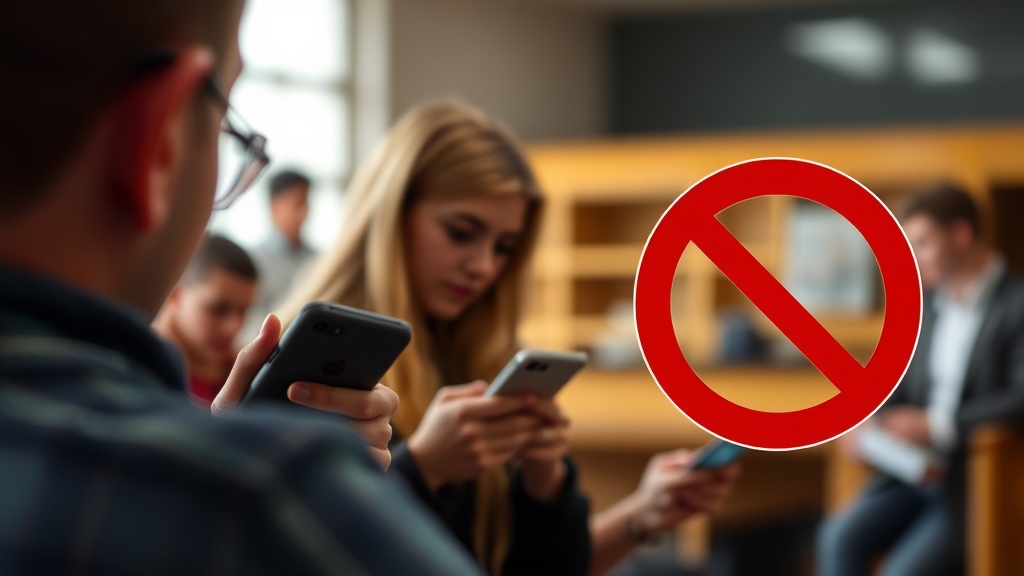
Utah lawmakers propose two bills to limit technology use in schools, addressing concerns over screen time and student well-being.
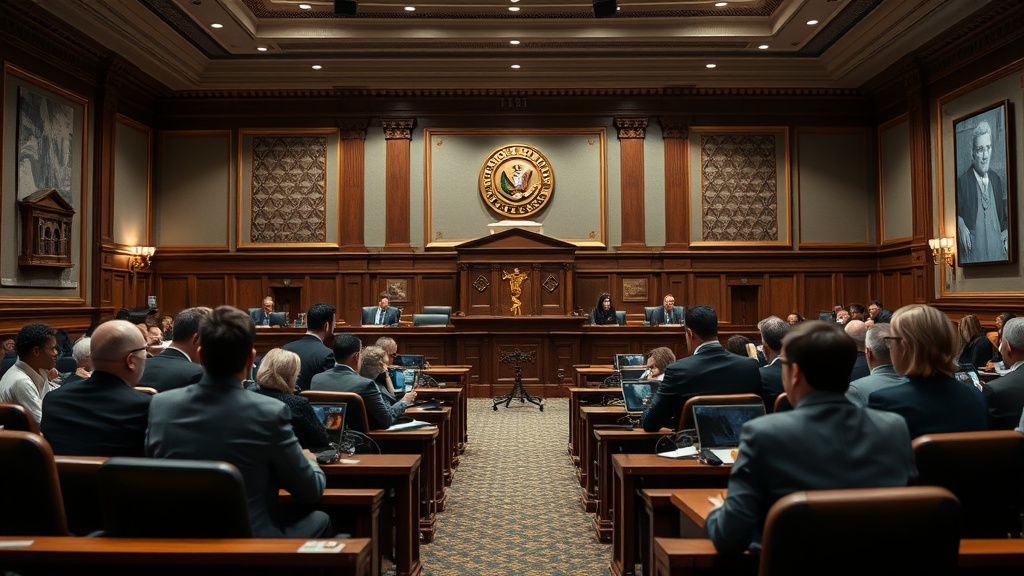
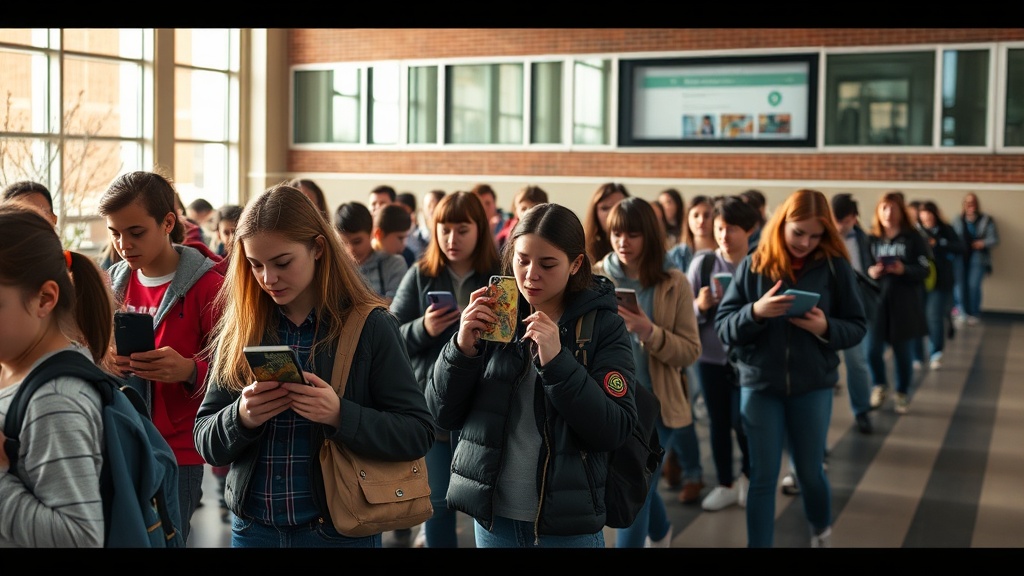
In a significant move aimed at reshaping the educational landscape in Utah, state lawmakers have unveiled two bills that seek to limit technology usage in schools for the upcoming 2026 legislative session. This announcement comes in the wake of growing concerns among parents, educators, and mental health professionals about the impact of excessive screen time on students' learning and well-being.
The first bill, known as the "Student Digital Well-Being Act," is designed to establish guidelines for the amount of time students can spend on digital devices during school hours. The proposal aims to create a more balanced approach toward technology use, ensuring that students engage in face-to-face interactions and hands-on learning experiences. Proponents of the bill argue that limiting screen time is crucial for fostering social skills and improving mental health among students.
"We must prioritize our students' overall well-being and not just their academic performance," said State Representative Sarah Johnson, who is co-sponsoring the legislation. "Research has shown that too much screen time can lead to increased anxiety, depression, and social isolation, which are issues we cannot ignore."
The second bill, titled the "Classroom Technology Transparency Act," seeks to enhance transparency regarding the types of technology being used in classrooms across the state. This legislation would require schools to publicly disclose the digital tools and platforms they employ, including the data collection practices of these technologies. The aim is to empower parents with information about how their children’s data is being handled and to ensure that educational technology aligns with ethical standards.
"Parents deserve to know what technologies their children are interacting with in school and how their data is being used," stated Senator Mark Thompson, a key supporter of the Classroom Technology Transparency Act. "We live in a digital age, and while technology can be a powerful educational tool, it also poses risks that we must address."
The introduction of these bills is part of a broader national conversation about the role of technology in education. In recent years, numerous studies have raised alarms regarding the detrimental effects of prolonged device usage on children's cognitive development, attention spans, and interpersonal skills. As schools increasingly integrate digital platforms into their curricula, the debate over the appropriate balance between technology and traditional educational methods has intensified.
Advocates for the bills emphasize that technology, while beneficial, should not overshadow the fundamental aspects of education that promote critical thinking and collaboration. They point to successful models in other states that have implemented similar measures, resulting in improved student engagement and academic performance.
However, the proposed bills are not without their critics. Some educational technology advocates argue that limiting technology use could hinder students' preparedness for a workforce that is increasingly reliant on digital skills. Critics also express concern that such legislation could stifle innovation within classrooms and limit the resources available to educators.
"While I understand the concerns, we must also recognize that technology is an integral part of modern education," said Emily Carter, a technology integration specialist at a local school district. "Rather than imposing limits, we should focus on teaching students how to use technology responsibly and effectively."
The bills are expected to spark intense discussions during the legislative session, as lawmakers weigh the benefits of technology against the potential risks associated with its misuse in educational settings. Stakeholders, including educators, parents, and mental health professionals, are encouraged to participate in upcoming public hearings to provide feedback on the proposed legislation.
In light of the growing mental health crisis among youth, fueled in part by excessive screen time, the timing of these bills may resonate with a large segment of the population. Many families have reported increased anxiety and social withdrawal in their children, prompting calls for action from various community groups.
As the 2026 legislative session approaches, both supporters and opponents of the bills are preparing to make their voices heard. The outcome of this legislative initiative could set a precedent for how technology is integrated into classrooms across Utah and potentially influence similar discussions in other states.
As the debate unfolds, it will be essential for lawmakers to consider not only the immediate implications of these bills but also the long-term effects on students' educational experiences and overall development. The balance between harnessing the benefits of technology and safeguarding students' mental health will undoubtedly remain a focal point in Utah's educational policy discussions in the years to come.