Utah Lawmaker Proposes Bills to Restrict Public Resources for Undocumented Immigrants
Utah Representative Trevor Lee proposes bills to restrict public resources for undocumented immigrants, sparking significant debate.
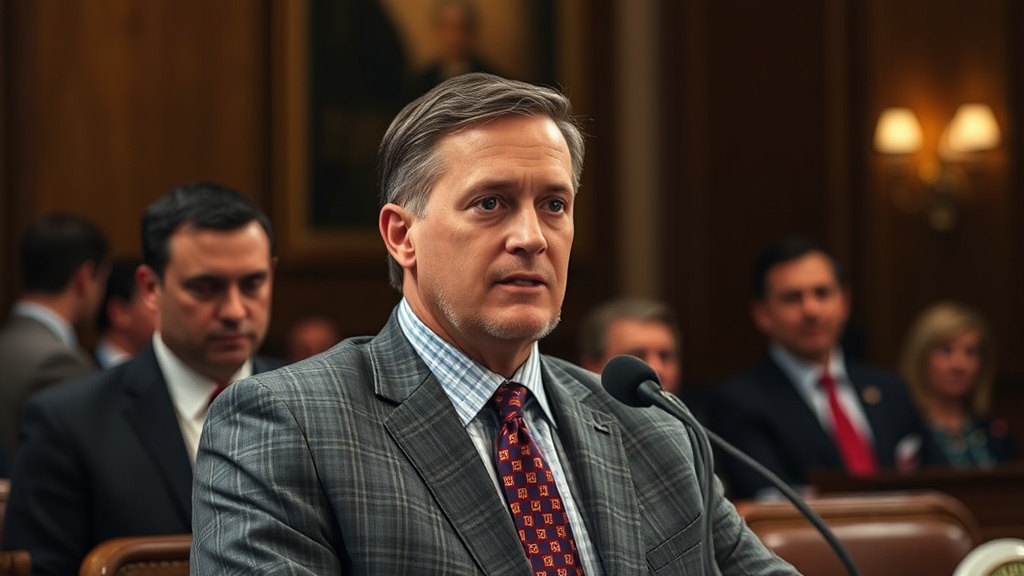
In a move that has sparked significant debate, Utah Representative Trevor Lee, a Republican from Layton, has introduced legislation aimed at reducing public assistance for undocumented immigrants in the state. As the Utah Legislature prepares for its 2026 general session, set to convene on February 6, Lee's proposals have raised concerns among immigrant rights advocates, public health officials, and some lawmakers about their potential impacts on vulnerable populations.
The first of Lee's bills, known as HB88, seeks to bar unauthorized immigrants from accessing a comprehensive range of publicly funded assistance programs. In an interview, Lee outlined that these programs could include housing, healthcare, food stamps, and various forms of welfare assistance. "That could be housing, that could be any type of health care, it could be homeless assistance, food stamps, I mean, you name it," Lee stated. This proposed legislation is modeled after similar measures enacted in other states, including Idaho, where the American Civil Liberties Union has challenged the legality of such restrictions.
If passed, HB88 would specifically restrict undocumented individuals from participating in the Women, Infants, and Children (WIC) program, which offers vital nutrition services to pregnant women, breastfeeding mothers, and young children. It could also limit access to essential medical services, including vaccinations and communicable disease treatments that currently do not require proof of U.S. citizenship.
Additionally, Lee plans to propose legislation to eliminate Utah's driving privilege cards, which allow undocumented residents to drive legally in the state. He also aims to introduce a bill modeled after Tennessee's law that criminalizes providing any form of housing assistance to undocumented individuals. Critics of the Tennessee law have argued that it violates constitutional protections, highlighting the potential legal challenges Lee's proposals may face.
Lee's proposals come at a time of increased anti-immigrant sentiment across the nation, especially during the Trump administration. He expressed his desire for Utah to align with other conservative states in cracking down on undocumented immigration. "If we do our job and we get rid of these incentives, then many will self-deport without us having to forcibly do it," he explained.
However, opposition to these measures has been vocal. Democratic lawmakers, including House Minority Leader Angela Romero and Senate Minority Leader Luz Escamilla, have criticized Lee's proposals as "heartless" and detrimental to mixed-status families, where children may be U.S. citizens while their parents are undocumented. Romero emphasized the importance of compassion, arguing that many individuals impacted by these bills are contributing to the economy and society.
Advocacy groups have echoed concerns regarding the potential consequences of HB88. Gina Cornia, executive director of Utahns Against Hunger, described the bill as "diabolical," arguing that it would deny food assistance to those in need. "It’s way more complicated than that, and in the meantime, what do people do?" she questioned, highlighting the potential for increased hunger and health crises among affected populations.
Moe Hickey, executive director of Voices for Utah Children, criticized the legislation for its public health implications. "Limiting vaccination efforts for undocumented people puts the whole community at higher risk," Hickey stated, emphasizing the need for inclusive health policies that protect all residents.
Lee, who is running for reelection, defended his approach by asserting that resources should prioritize Utahns over non-citizens. He argued that public assistance for undocumented immigrants incentivizes illegal immigration and burdens the state's fiscal resources. "We’re allowing people to break the law and then we give them free stuff," Lee contended. He expressed confidence that the majority of his colleagues would support his legislation.
As the legislative session nears, the fate of Lee's bills remains uncertain. While the House, which has a Republican majority, may show support for the measures, the Senate's response is less predictable. Senate President Stuart Adams has refrained from endorsing HB88, stating that he needs to evaluate the bill further. Adams has previously voiced opinions that productive undocumented immigrants should be allowed to stay in the country while those engaged in illegal activities should face consequences.
The upcoming discussions in the Utah Legislature will not only shape the future of these bills but also reflect the broader national conversation about immigration policy, public assistance, and community well-being. As advocates and lawmakers prepare for a contentious debate, the implications of these proposals for Utah's immigrant population and social services will be closely monitored in the coming weeks.