Trump Considers Insurrection Act to Address Civil Unrest in Minnesota
Trump's threat to invoke the Insurrection Act in Minnesota raises concerns over civil unrest and federal intervention amid ongoing protests.
In a striking move amidst ongoing civil unrest, former President Donald Trump has threatened to invoke the Insurrection Act in Minnesota. This act, which allows the president to deploy military forces to quell disturbances, comes as tensions escalate over protests triggered by recent incidents involving law enforcement and allegations of systemic racism. The announcement has sent ripples through both political and social landscapes in the state, raising questions about the implications of such a decision.
The Insurrection Act, originally enacted in 1807, grants the president the authority to send federal troops into states to suppress civil disorder, insurrection, and rebellion. It has been invoked sparingly throughout American history, often in response to significant unrest. Trump's remarks regarding the act surfaced during a rally where he expressed concern over the state’s ability to manage ongoing protests, which have sometimes turned violent, leading to damage and unrest in urban areas.
Minnesota has been at the forefront of national conversations about policing and civil rights since the murder of George Floyd in 2020. The fallout from this incident continues to fuel demonstrations across the state, with activists calling for systemic reforms and accountability within law enforcement. The current unrest, however, has drawn a sharp response from Trump, who claims that local leaders have failed to maintain order.
"If the situation does not improve, I will not hesitate to take action to restore law and order in Minnesota," Trump stated during his address. His comments have elicited a mixed response from local officials and residents. Some community leaders argue that invoking the Insurrection Act would exacerbate tensions rather than alleviate them. Minnesota Governor Tim Walz has emphasized the importance of dialogue and community-led initiatives to address the underlying issues fueling protests, stating, "We must focus on healing, not further division."
The potential invocation of the Insurrection Act raises significant questions about the balance of power between state and federal authorities. Legal experts point out that while the act gives the president considerable leeway, it also faces limitations. The act is intended primarily for use in situations where local authorities are unable or unwilling to maintain peace. Critics argue that deploying military forces to manage civil unrest could lead to further escalation, jeopardizing community safety and trust in law enforcement.
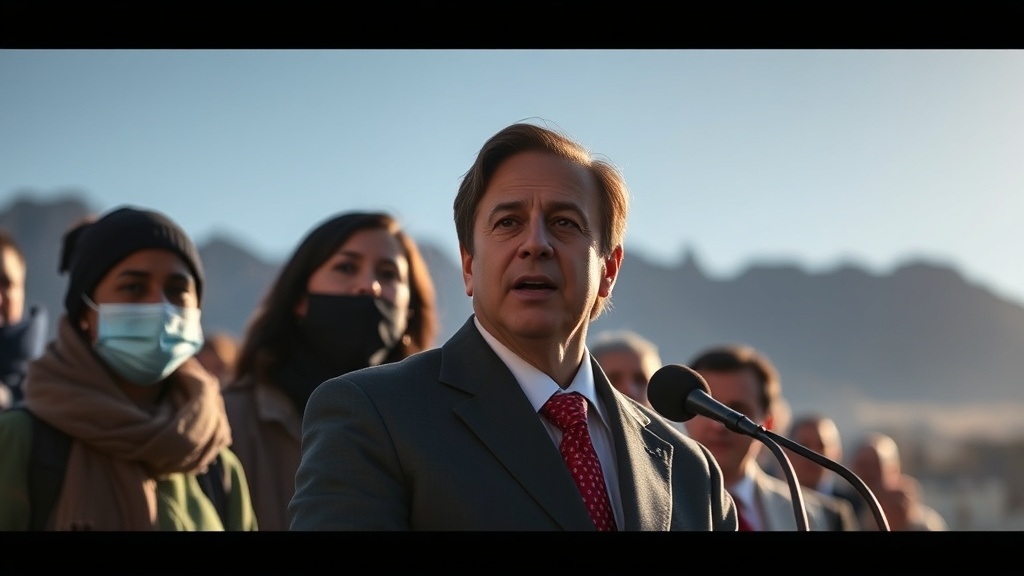
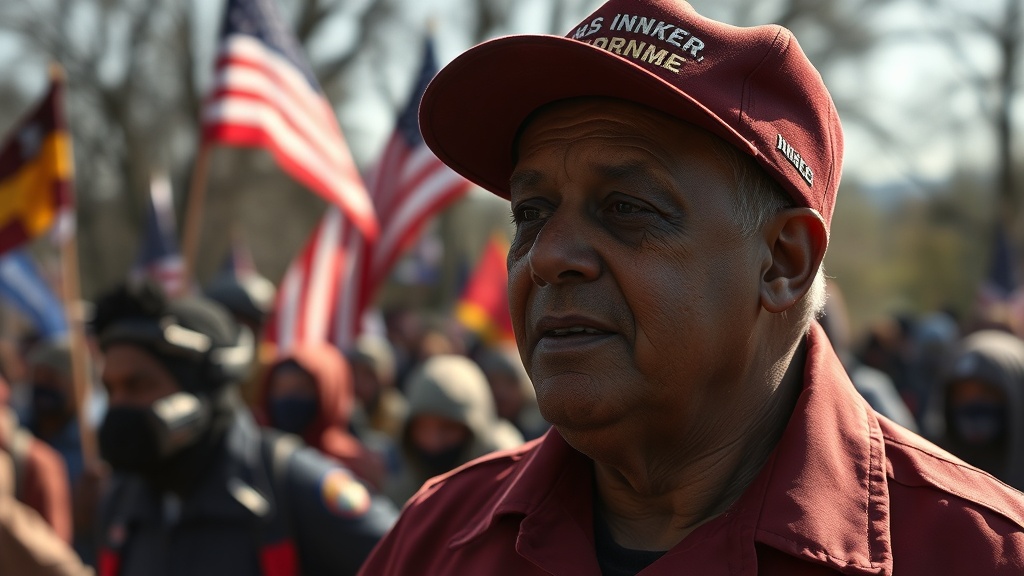
In recent weeks, Minnesota has seen a surge in protests, with demonstrators rallying against not only police violence but also broader issues such as racial inequality and economic disparity. Many protesters are advocating for a reallocation of resources away from police departments and into community services. This grassroots movement has gained momentum, attracting attention from national organizations and civil rights advocates.
The implications of Trump’s threat to invoke the Insurrection Act extend beyond Minnesota’s borders, tapping into national sentiments surrounding law enforcement and civil rights. As communities across the nation grapple with similar issues, the potential use of military force may resonate in other states experiencing unrest. It could also polarize public opinion even further, as people take sides on the approach to addressing systemic issues versus maintaining order.
Local law enforcement agencies in Minnesota are already on high alert, preparing for possible unrest in the wake of Trump’s announcement. Authorities are coordinating with community organizations to ensure that protests remain peaceful. However, the specter of federal intervention looms large, creating an atmosphere of uncertainty.
In conclusion, Trump’s remarks regarding the Insurrection Act highlight the ongoing struggles within Minnesota and the broader American landscape as it relates to civil rights and law enforcement. As communities work to address the root causes of unrest, the conversation surrounding the balance of power, community safety, and the role of federal intervention remains crucial. The decision to invoke the Insurrection Act could not only shape the immediate future in Minnesota but also set a precedent for how federal authorities engage with civil unrest in the United States moving forward. The unfolding situation will undoubtedly be closely monitored by both supporters and critics, reflecting the deeply polarized state of American politics today.