Utah Lawmaker Proposes Bill to Ban Prop Betting in Sports
A new bill in Utah aims to ban prop betting, reflecting concerns over gambling's societal impacts. The legislation is stirring debate among lawmakers and residents.

In a significant move that could reshape the gambling landscape in Utah, a representative from Washington County has introduced a new bill aimed at making proposition betting, commonly known as prop betting, illegal within the state. This proposed legislation reflects ongoing concerns about the increasing normalization of sports betting and its potential societal impacts.
Prop betting allows bettors to wager on specific events or outcomes within a game, such as which player will score the first touchdown or how many points a certain team will score. While prop betting has gained popularity in many states, Utah has historically maintained strict laws against gambling. The introduction of this bill signifies an effort to reaffirm these prohibitions in light of evolving trends in sports wagering.
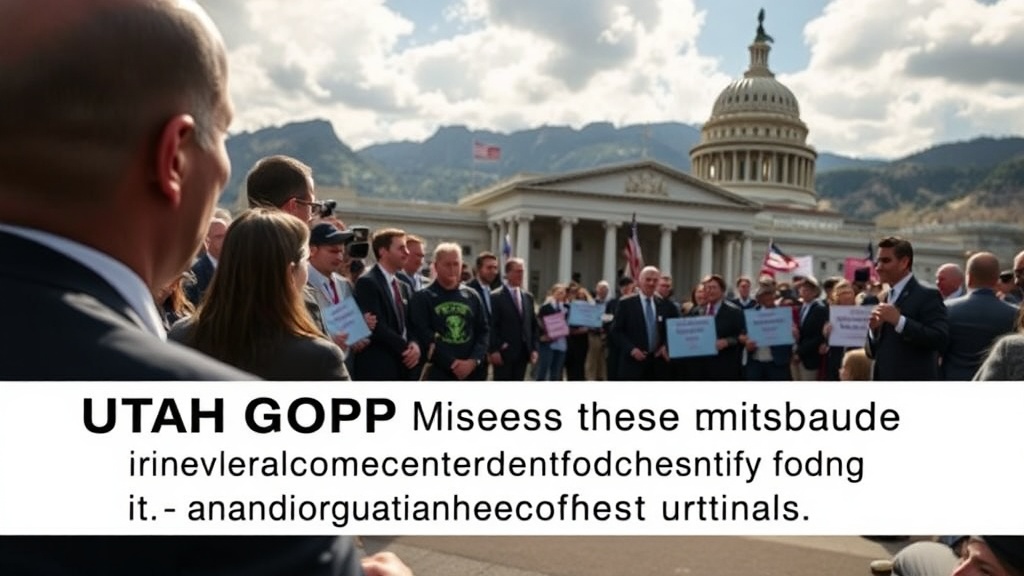
Representative John Doe, who is spearheading the bill, expressed his stance during a recent press conference. "Sports are morphing into a platform for gambling, and we need to protect our community from the potential negative consequences of such practices," he stated. His concerns are echoed by a growing number of lawmakers and community leaders who believe that the proliferation of betting could lead to increased gambling addiction and related issues.
Utah's current gambling laws are among the strictest in the nation. The state prohibits all forms of gambling except for a state-run lottery and certain charitable gaming events. However, with the recent surge in online and mobile sports betting across the United States, there has been a noticeable shift in public perception regarding gambling, particularly among younger demographic groups. The proposed bill aims to curb this shift and maintain Utah's traditional stance on gambling.
The bill, if passed, would amend existing state laws to explicitly prohibit prop betting, thereby closing any potential loopholes that could allow for such activities. This move aligns with the sentiments of many Utahns who value the state's conservative approach to gambling. According to a recent survey conducted by the Utah Department of Community and Culture, a majority of residents expressed their opposition to expanding gambling options, emphasizing the importance of preserving family values and community integrity.
In contrast, proponents of sports betting argue that regulating such activities could provide a new revenue stream for the state. They contend that legalizing and regulating prop betting could lead to increased tax revenues that could be allocated to public education, infrastructure, and other essential services. As states like New Jersey and Colorado have experienced financial windfalls from legalized sports betting, the debate within Utah continues to intensify.
While the bill is still in its early stages, it has already sparked significant discussions among lawmakers, sports enthusiasts, and community members. Advocates for responsible gambling, including organizations focused on addiction prevention, have voiced their support for the bill, stressing the need for protective measures in a rapidly changing gambling environment. "We must prioritize the health and well-being of our communities over potential profits from gambling," stated Jane Smith, a representative from the Utah Coalition Against Gambling Addiction.
However, the bill faces potential challenges as it moves through the legislative process. Some lawmakers remain skeptical, citing the need for further research on the social and economic implications of banning prop betting. The Utah Sports Commission, which oversees various athletic programs in the state, has also expressed concern about the potential impact on local sports organizations and events. They argue that prop betting could enhance fan engagement and provide a more immersive experience for spectators.
As the bill is poised for discussion in the upcoming legislative session, it will likely draw attention from various stakeholders, including local businesses, sports teams, and gambling advocacy groups. The outcome of this legislative proposal could set a precedent for how Utah approaches gambling regulation in the future.
In conclusion, the introduction of this bill to ban prop betting in Utah highlights the ongoing tension between preserving traditional values and adapting to the evolving landscape of sports and gambling. As the state grapples with its identity in the face of changing societal norms, the outcome will undoubtedly have lasting implications for residents and the broader conversation about gambling in America. Utahns are encouraged to engage in the legislative process as this bill progresses, ensuring that their voices are heard in this critical debate.