Trump Threatens Military Action in Minnesota Amid Rising Protests
President Trump threatens military action in Minnesota amid protests over ICE shootings, escalating tensions between federal and local authorities.
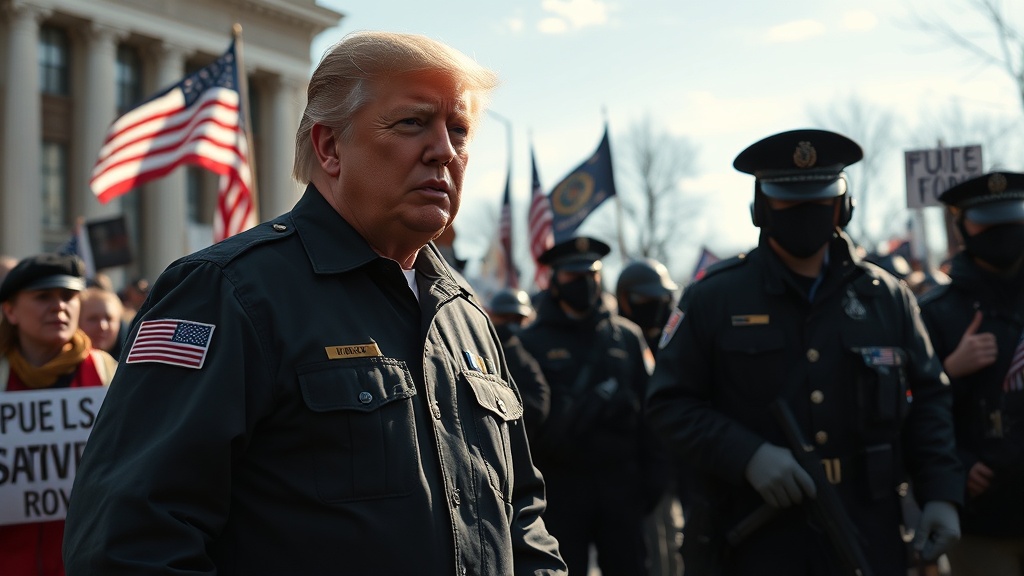
In a dramatic escalation of tensions between federal authorities and local communities, President Donald Trump announced on Thursday his intention to potentially deploy military forces in Minnesota to quell ongoing protests following a series of controversial shootings involving Immigration and Customs Enforcement (ICE) agents. This announcement came in the wake of a federal agent's shooting of a man just days after another ICE incident that resulted in the fatal shooting of 37-year-old Renee Good in Minneapolis on January 7.
In a post on his social media platform, Truth Social, Trump expressed his frustration with Minnesota's political leaders, threatening to invoke the Insurrection Act—an archaic law from the 1800s that permits the federal government to deploy military forces domestically to suppress insurrections or repel invasions. "If the corrupt politicians of Minnesota don’t obey the law and stop the professional agitators and insurrectionists from attacking the Patriots of I.C.E., who are only trying to do their job, I will institute the INSURRECTION ACT," Trump wrote. He emphasized that previous presidents had successfully used this law, framing the situation in Minnesota as a "travesty" that needed urgent action.
The Insurrection Act has been invoked sparingly throughout American history, most notably during the 1992 Los Angeles riots following the Rodney King verdict, which led to widespread civil unrest and significant loss of life. According to records maintained by the Brennan Center for Justice, the act has been invoked approximately 30 times since the founding of the United States. By threatening its use, Trump is signaling an unprecedented federal response to a situation that has generated significant unrest across the Twin Cities.
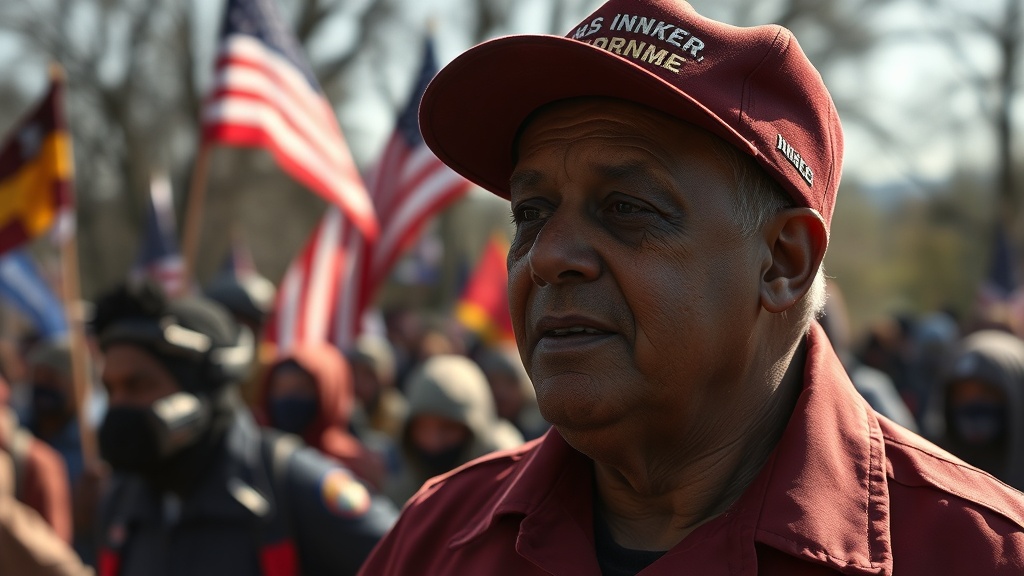
The recent protests erupted following the shooting of Renee Good, which sparked outrage and demonstrations across Minneapolis. Many community members have expressed their anger over the perceived aggressive tactics employed by ICE agents in the city. Just a week later, another shooting occurred on Wednesday night, during a targeted traffic stop by federal agents in north Minneapolis. The Department of Homeland Security reported that the incident involved a man who allegedly attacked an officer with a snow shovel and broom handle. In the ensuing chaos, an agent fired a shot, injuring the man in the leg.
Minneapolis Police Chief Brian O’Hara confirmed the man was transported to a local hospital with non-life-threatening injuries. The incident led to further unrest, with demonstrators clashing with federal agents, who resorted to using tear gas and flashbangs to disperse the crowds. Reports indicate that at least two individuals were detained, and vehicles believed to belong to federal officers were vandalized. By late evening, the protests had largely subsided, although tensions remained high.
Minneapolis Mayor Jacob Frey called for calm during this tumultuous period, reiterating his request for the Trump administration to withdraw ICE from the city entirely. The mayor's appeal underscores a growing divide between local authorities and federal enforcement agencies, particularly regarding the presence and tactics of ICE in Minnesota.
In response to the escalating violence and protests, Trump ordered a surge of ICE agents to Minneapolis following Good's death, increasing their numbers to approximately 3,000, significantly outnumbering the city’s local police force of about 600 officers. This overwhelming federal presence has raised concerns among community members and local leaders about the militarization of law enforcement in urban areas.
Department of Homeland Security Secretary Kristi Noem addressed the media, affirming that there are currently no plans to withdraw ICE from Minneapolis. She characterized the situation as a "violent violation of the law in many places" and confirmed discussions with Trump regarding the potential invocation of the Insurrection Act. Noem maintained that the operations led by ICE in the Twin Cities were necessary to combat crime, including ongoing investigations into a massive COVID-19 financial fraud case.
The situation in Minnesota continues to evolve, with local leaders, community activists, and federal officials at odds over the handling of immigration enforcement and public safety. As protests grow and tensions escalate, the implications of Trump's threats to deploy military forces could further polarize the already divided communities and prompt a national conversation about the appropriate role of federal law enforcement in local affairs. The coming days will be critical in determining whether a peaceful resolution can be reached or if further federal intervention will exacerbate the situation.
As the state braces for potential military involvement, residents are left grappling with the immediate impacts of these events, questioning the balance between law enforcement, community safety, and civil rights. The unfolding crisis serves as a poignant reminder of the complexities surrounding immigration policy and the ongoing debates about the role of federal authority in local governance.