Governor Cox Aims for 35,000 Starter Homes in Utah by 2028
Governor Cox sets a bold target for 35,000 starter homes in Utah by 2028, addressing the pressing housing crisis.
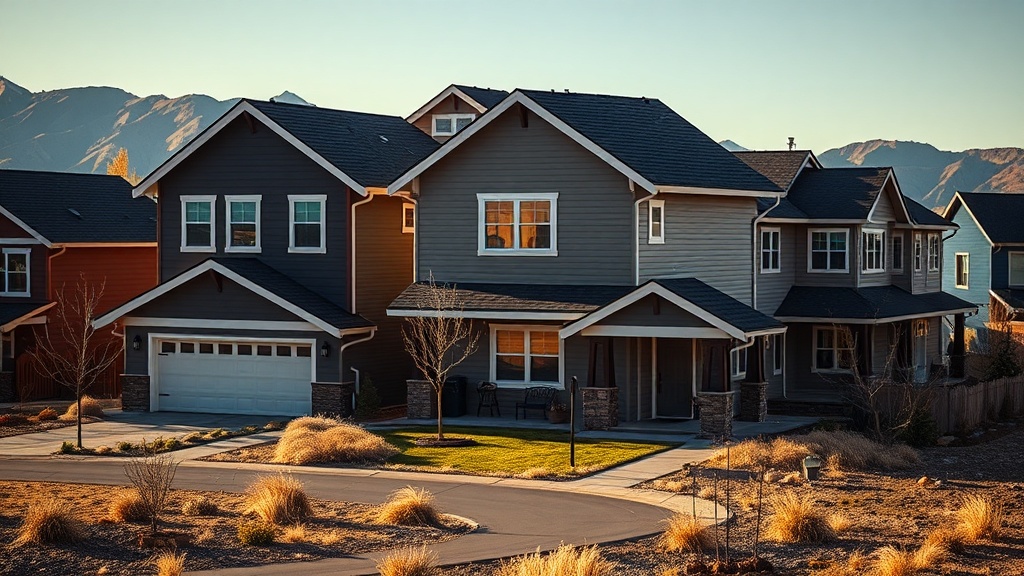
As Utah faces a growing housing crisis, Governor Spencer Cox has set an ambitious target to construct 35,000 starter homes across the state by December 2028. This 'moonshot' goal is designed to address the increasing demand for affordable housing amidst a booming population and rising home prices. With the 2026 State Legislative Session on the horizon, the initiative is gaining traction, prompting discussions among lawmakers, developers, and community advocates about its feasibility and potential impact on Utah's housing landscape.
The need for affordable housing in Utah has reached critical levels. According to the U.S. Census Bureau, Utah's population has surged by over 18% in the last decade, making it one of the fastest-growing states in the nation. This rapid growth has led to a significant increase in housing demand, which, coupled with escalating prices, has rendered homeownership unattainable for many residents. The Utah Association of Realtors reported that the median home price in Utah hit a staggering $550,000 in early 2023, up from just $300,000 a decade prior. This has created a pressing need for starter homes—properties that are affordable and suitable for first-time buyers.
Governor Cox's vision for the construction of 35,000 starter homes is a part of a broader strategy to alleviate the housing crisis. The initiative aims to not only increase the supply of affordable homes but also stimulate the economy through job creation in the construction sector. In a recent press conference, Governor Cox emphasized that "creating accessible housing is essential for the future of our state. We need to ensure that every Utahn has the opportunity to own a home and build a life here."
To achieve this ambitious goal, the state is exploring various avenues, including partnerships with private developers, local governments, and community organizations. The initiative encourages innovative building practices and zoning reforms that could expedite the construction process. By streamlining regulations and reducing bureaucratic hurdles, the state hopes to make it easier for developers to break ground on new projects.
However, the path to success is fraught with challenges. Critics of the initiative point to potential obstacles such as land availability, rising construction costs, and labor shortages in the construction industry. According to a report from the Associated General Contractors of America, the construction industry is facing a significant labor shortage, which could hinder the timely completion of new housing projects. Additionally, as land prices continue to soar, finding suitable and affordable locations for new developments becomes increasingly difficult.
Local governments play a crucial role in the success of this housing initiative. Many municipalities in Utah have their own zoning laws and land-use regulations, which can significantly impact the pace and scale of new home construction. Some city officials have expressed concerns about the potential for overcrowding and the strain on infrastructure that could accompany rapid housing development. To address these issues, Governor Cox has called for collaborative discussions with local leaders to create balanced solutions that prioritize growth while maintaining community integrity.
The Governor's office has outlined several key strategies to facilitate the construction of these starter homes. This includes the establishment of a housing trust fund that could provide financial assistance for infrastructure improvements and incentivize developers to prioritize affordable housing projects. Additionally, the state is considering tax incentives and grants for builders who focus on creating starter homes, further encouraging private investment in this sector.
The implications of successfully meeting this goal could be profound for Utah residents. Increased access to affordable housing could help stabilize the market, reduce the homelessness rate, and foster economic growth by allowing more families to invest in their communities. It would also provide a much-needed boost for young professionals and families who are currently priced out of homeownership.
As the 2026 State Legislative Session approaches, lawmakers are expected to engage in robust discussions about the proposed housing initiative. Advocates for affordable housing are urging legislators to prioritize this goal and ensure that it remains a focal point in the upcoming session. State Senator Jake Anderegg, who chairs the Senate Housing Committee, noted, "We have a responsibility to address this crisis head-on. The future of our state depends on our ability to provide housing for all citizens."
In conclusion, Governor Cox's ambitious plan to build 35,000 starter homes by 2028 represents a critical step forward in addressing Utah's housing crisis. As the state grapples with rapid population growth and rising home prices, this initiative has the potential to create a pathway toward affordable homeownership for many Utahns. However, its success will depend on collaboration among various stakeholders, effective policy implementation, and a commitment to overcoming the challenges that lie ahead. With the legislative session on the horizon, all eyes will be on Utah's leaders to see how they navigate this complex issue and work towards a sustainable housing future for the state.