Utah House Committee Advances Bills on Transgender Medical Services Funding
Utah's House Health and Human Services Committee advances bills impacting transgender medical services, sparking heated debates.
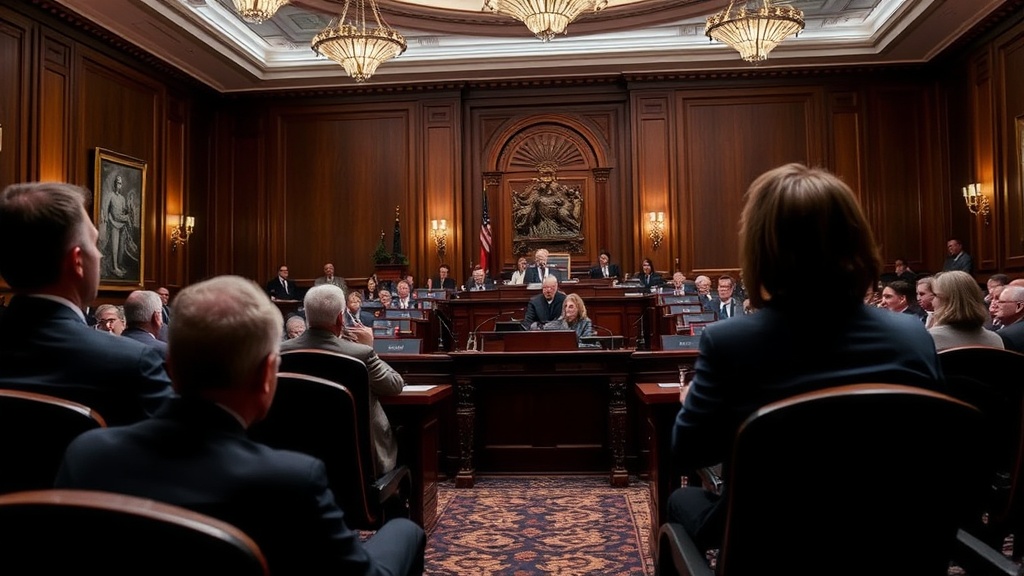
On Tuesday, the House Health and Human Services Committee in Utah convened to discuss critical legislative bills that could significantly affect funding and restrictions pertaining to transgender medical services, particularly hormone therapy. The meeting attracted a diverse group of stakeholders, including healthcare professionals, LGBTQ+ advocates, and concerned citizens, all eager to voice their opinions on the implications of these legislative measures.
The proposed bills, which have been a point of contention in recent months, aim to establish stricter guidelines around the provision of transgender medical services. Among the key proposals is a bill that seeks to limit state funding for gender-affirming medical treatments, including hormone therapy and surgeries, for minors. Proponents argue that these measures are necessary to protect children from making irreversible decisions about their bodies at a young age. "We need to ensure that minors are not making life-altering decisions without the appropriate guidance and support," stated Representative Paul Ray, a key supporter of the legislation.
Opponents of the bills, however, contend that such restrictions could have devastating consequences for transgender youth. During the committee hearing, several advocates shared personal testimonies highlighting the importance of access to gender-affirming care for the mental and physical well-being of transgender individuals. "Denying access to these services is not just a political issue; it’s a matter of life and death for many young people. We cannot ignore the data that shows a strong correlation between access to care and improved mental health outcomes," argued Sarah Johnson, a spokesperson for the Utah Transgender Advocacy Coalition.
Data from various studies supports the assertion that access to gender-affirming medical care can significantly reduce rates of depression and anxiety among transgender individuals. According to a 2021 study published in the Journal of Adolescent Health, transgender youth who receive hormone therapy report higher levels of satisfaction with their lives and lower levels of suicidal ideation compared to those who do not have access to these services.
The committee hearing was marked by passionate debates, with some lawmakers expressing concern over the potential financial implications of providing state-funded transgender medical services. "It’s crucial that we consider the financial impact on our healthcare system as we discuss these bills. We need to find a balance between providing necessary services and ensuring that our state’s resources are not overextended," stated Representative Kim Coleman, who raised questions about the sustainability of funding gender-affirming treatments.
In contrast, several medical professionals present at the hearing underscored the long-term cost benefits of investing in transgender healthcare. Dr. Emily Roberts, a pediatric endocrinologist, argued that early intervention and access to appropriate medical care can prevent more costly mental health treatments down the line. "We know that untreated gender dysphoria can lead to significant mental health challenges, which ultimately cost the state more in terms of healthcare resources. Investing in these services is not just a moral obligation; it's a financially sound decision," she explained.
As the discussion unfolded, it became evident that there is a growing divide among lawmakers regarding the approach to transgender healthcare. While some view the proposed measures as a necessary safeguard, others see them as an infringement on personal rights and medical autonomy. The committee ultimately voted to advance the bills to the full House for further debate, indicating that the conversation around transgender medical services in Utah is far from over.
The potential passage of these bills could set a precedent not only in Utah but also in other states grappling with similar issues surrounding transgender rights and healthcare access. As more states consider legislation limiting access to gender-affirming care, the implications of Utah's decisions will likely ripple across the nation.
In the meantime, advocacy groups are gearing up for a robust opposition campaign as the bills move to the House chamber. Activists are urging constituents to contact their representatives to express their concerns about the potential impact of these bills. "We cannot allow fear and misinformation to dictate the healthcare options available to our youth. It is essential that we stand up and advocate for the rights of transgender individuals to receive the care they need," said Johnson.
As the legislative session continues, all eyes will be on the Utah House to see how they respond to the escalating tensions surrounding transgender healthcare. The outcome could have lasting implications for the future of medical services available to transgender individuals in the state and beyond, making it a pivotal moment in the ongoing fight for LGBTQ+ rights.
In the coming weeks, the House will schedule further discussions and votes on these bills, with advocates and opponents alike preparing for what promises to be a contentious debate. The stakes are high, and the conversations surrounding transgender healthcare are sure to evolve as lawmakers navigate this critical issue in the months ahead.