Utah House Bill 152 to Repeal Immunization Education Requirement Fails
Utah's House Bill 152, seeking to repeal immunization education, was struck down, emphasizing public health priorities amid ongoing vaccination debates.

In a significant legislative hearing on Friday, Utah's House Bill 152 faced a decisive setback, as it was effectively struck down during the House Health and Human Services Committee meeting. The proposed bill aimed to repeal the existing requirement that mandates parents or guardians to undergo educational sessions before they could obtain an exemption from immunization for their children within the public education system. The rejection of HB 152 is likely to have considerable implications for public health policy and the ongoing debate surrounding vaccination protocols in the state.
The bill, introduced by Representative Jennifer Dailey-Provost, sought to simplify the process of securing immunization exemptions by eliminating the educational prerequisite that currently exists in Utah law. This requirement was designed to inform parents about the benefits of vaccinations and the risks associated with vaccine-preventable diseases. Proponents of the bill argued that the existing policy infringes on parental rights and personal freedoms, suggesting that parents should have the autonomy to make health decisions for their children without government intervention.
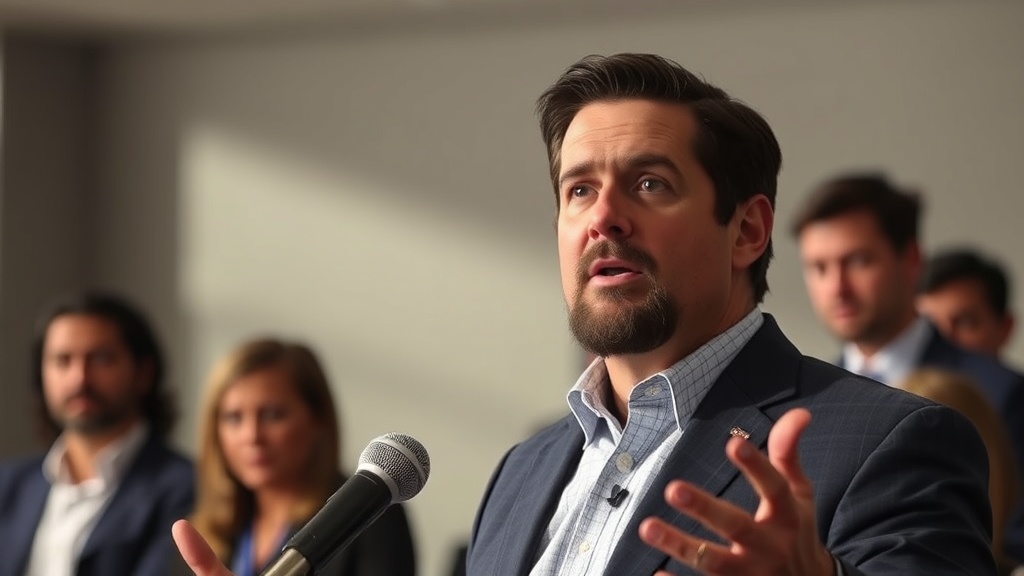
During the hearing, several key stakeholders voiced their concerns regarding the bill's potential consequences. Public health advocates, including representatives from the Utah Department of Health, emphasized the importance of vaccinations in maintaining herd immunity and protecting vulnerable populations, such as infants and those with compromised immune systems. Dr. Angela Dunn, the state’s epidemiologist, remarked, "Vaccination is one of the most effective public health tools we have against infectious diseases. Eliminating education before exemption could lead to lower vaccination rates and increase the risk of outbreaks."
Opponents of the bill highlighted that the education requirement serves a vital purpose in equipping parents with essential information regarding vaccine safety and efficacy. They expressed fears that repealing this requirement could lead to a rise in vaccine hesitancy among parents, resulting in lower immunization rates in schools. This concern is particularly relevant in the context of recent outbreaks of vaccine-preventable diseases, such as measles and pertussis, which have seen a resurgence in various parts of the United States due to declining vaccination rates.
The legislative hearing attracted a diverse group of attendees, including healthcare professionals, educators, and concerned parents. Many expressed their strong opposition to the bill, advocating for the preservation of the educational requirement as a means to ensure informed decision-making regarding immunizations. One parent, who spoke at the hearing, stated, "As a mother, I want to ensure that I'm making the best choices for my children's health. The education requirement is essential in understanding the risks and benefits of vaccinations."
Despite the outcry from public health advocates and concerned citizens, some committee members expressed support for the bill, arguing that the government should not dictate personal health choices. Representative Dailey-Provost, in her defense of HB 152, noted, "We need to trust parents to make the right decisions for their children without unnecessary barriers. This bill empowers families to take charge of their health decisions."
Ultimately, the committee voted against the bill, signaling a collective commitment to uphold the educational requirements for immunization exemptions. The decision reflects a broader trend in public health policy that prioritizes informed consent and emphasizes the importance of vaccination in protecting community health.
The implications of this decision extend beyond the legislative chamber, as it reinforces the existing framework that has been established to promote vaccination education in Utah. The state has faced challenges in achieving optimal vaccination rates, with some communities exhibiting lower immunization coverage, which raises concerns about susceptibility to outbreaks.
Following the hearing, public health advocates expressed relief at the committee’s decision, emphasizing the need to continue educating families about the importance of vaccinations. "This is a victory for public health in Utah, and it underscores our commitment to protecting our children and communities from preventable diseases," said Dr. Dunn.
As the state moves forward, it remains crucial to engage in continued dialogue regarding vaccination policies and the role of education in fostering informed health decisions. The defeat of House Bill 152 underscores the ongoing tension between parental rights and public health priorities, a debate that is likely to persist as the state navigates future legislative sessions and public health challenges. With the committee's decision, Utah has reaffirmed its dedication to maintaining high vaccination rates through informed public health policies that prioritize community well-being over individual exemptions.