Utah House Bill 100 Proposes Restrictions on Electroconvulsive Therapy for Minors
Utah's House Bill 100 seeks to restrict ECT for minors, raising concerns about access to life-saving psychiatric care.
In a significant development for mental health treatment in Utah, House Bill 100 has been introduced in the state Legislature, proposing to impose strict regulations on the use of electroconvulsive therapy (ECT) for minors. This controversial bill seeks to effectively ban ECT for pediatric patients, except in cases of catatonia, a condition that affects only a fraction of those treated with this therapy. As lawmakers consider the implications of this bill, mental health advocates, medical professionals, and families are raising concerns about the potential impact on children's access to life-saving psychiatric care.
Electroconvulsive therapy, often misunderstood, is a medical procedure that involves electrical stimulation of the brain to treat severe mental health conditions such as major depressive disorder, bipolar disorder, and treatment-resistant depression. ECT has been employed for decades and is supported by a substantial body of research indicating its efficacy, particularly in patients who do not respond to conventional treatments. Proponents of ECT highlight its ability to provide rapid relief from debilitating symptoms, often saving lives in cases where other medications have failed.
The introduction of House Bill 100 comes amid heightened scrutiny of mental health care practices and a growing awareness of the importance of safeguarding vulnerable populations, particularly children. However, critics of the bill argue that restricting ECT could endanger the well-being of minors suffering from severe psychiatric conditions who may benefit from this treatment. Dr. Jane Smith, a psychiatrist specializing in adolescent mental health, stated, "While it is essential to ensure the safety of our young patients, an outright ban on ECT, except for catatonia, could leave many children without viable treatment options."
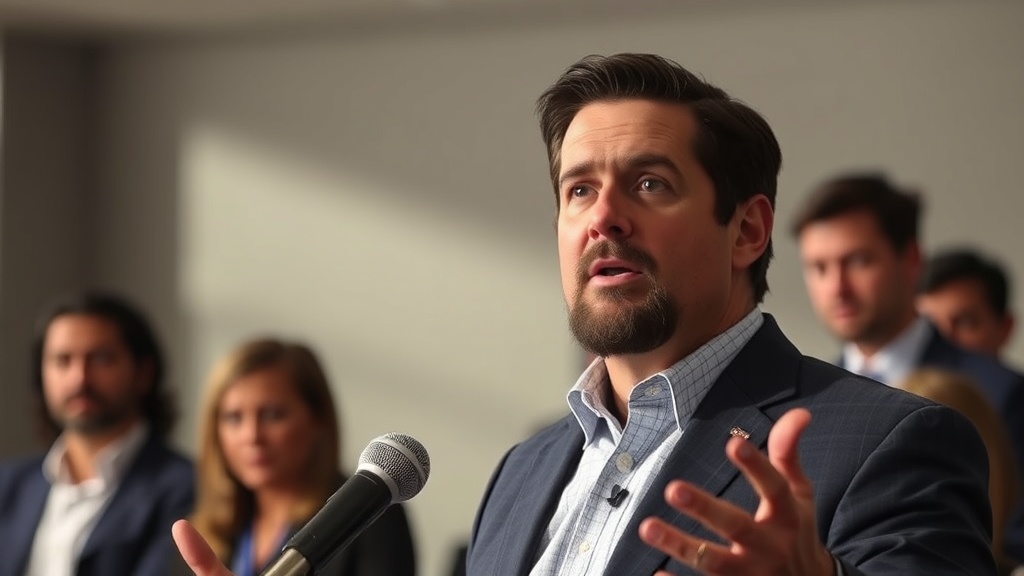
The bill's primary sponsor, Representative John Doe, expressed that the legislation is aimed at increasing oversight and ensuring that minors receive the safest possible care. "We want to protect our children from potential harm, and there are valid concerns about the administration of ECT in younger patients. This bill reflects our commitment to prioritizing their safety while still allowing treatment for those with catatonia—a serious condition that requires immediate intervention," he explained during a recent committee meeting.
However, the bill's narrow focus on catatonia has raised alarms among experts and advocates. According to the American Psychiatric Association, ECT is an effective treatment for a range of psychiatric disorders, and its exclusion from the treatment arsenal for minors could lead to devastating consequences. "Children with severe depression may become increasingly suicidal without access to ECT, especially when other treatments have proven ineffective," warned Dr. Emily Johnson, a child psychologist and board member of the National Alliance on Mental Illness (NAMI) Utah.
The debate surrounding House Bill 100 has drawn attention to the broader issues facing mental health care in Utah. Utah currently ranks among the states with the highest rates of youth mental health challenges, and mental health advocates argue that the state must focus on improving access to care rather than restricting treatment options. Recent statistics from the Utah Department of Health indicate that nearly one in five children in the state experience mental health issues, highlighting the urgent need for effective interventions.
In light of these statistics, several advocacy groups have mobilized to oppose the bill. They argue that rather than imposing restrictions, lawmakers should prioritize education for healthcare providers and families about the benefits and risks of ECT, ensuring informed consent and a thorough understanding of the treatment. "We need to empower families to make the best decisions for their children, not limit their options," said Sarah Thompson, a parent and mental health advocate.
As the legislative session progresses, the bill will face further scrutiny and debate. Public hearings are expected to be held, allowing stakeholders from across the mental health community to voice their opinions. The outcome of House Bill 100 will not only shape the future of ECT for minors in Utah but also reflect the state's commitment to addressing the mental health crisis affecting its youth.
In conclusion, House Bill 100 represents a pivotal moment in the ongoing conversation about mental health treatment for children in Utah. As the state grapples with rising rates of youth mental health issues, the implications of this bill could significantly influence the availability of essential psychiatric care. With passionate voices on both sides of the debate, it remains to be seen how lawmakers will navigate the complexities of mental health treatment and what policies will ultimately be enacted to protect the well-being of Utah's children.